12 Questions to Ask a Dog Boarding Kennel
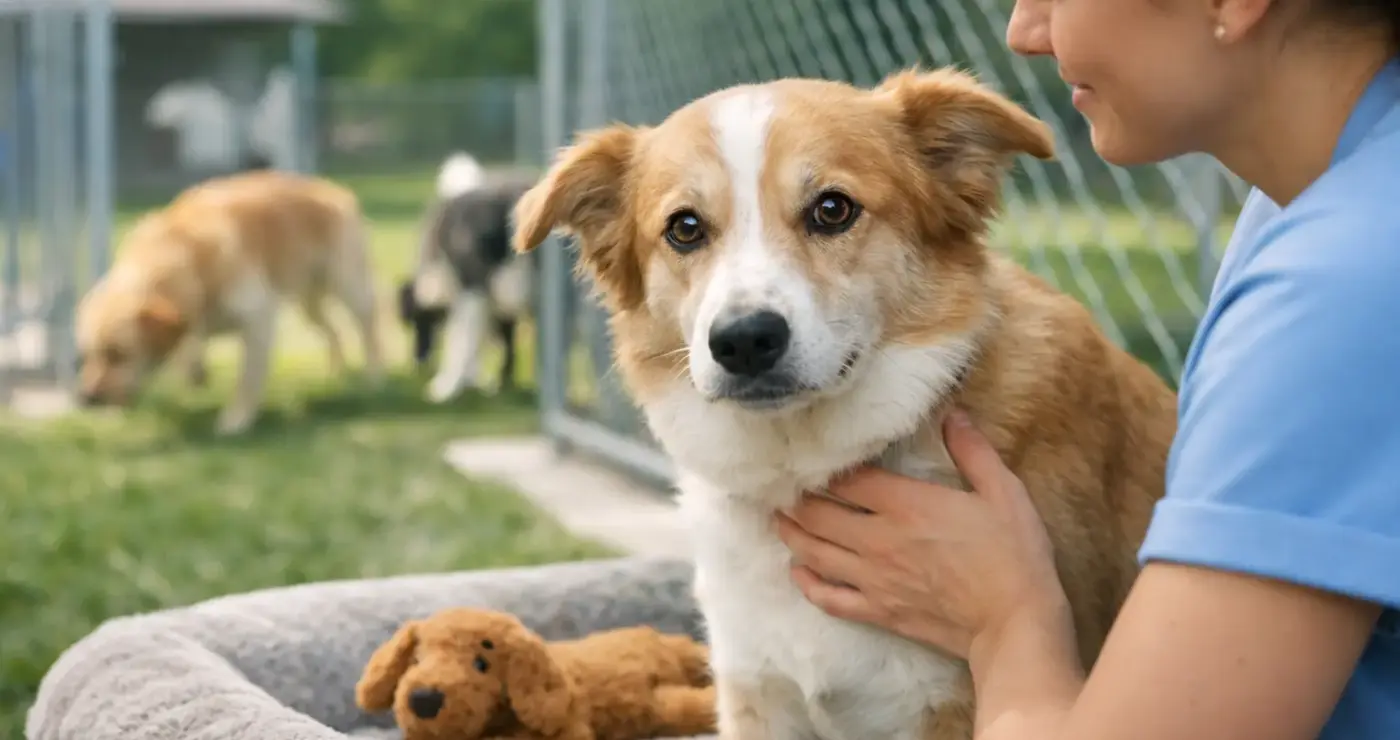
Leaving your dog while you are away can feel like a big decision, particularly if it is their first stay in kennels. The right questions to ask a dog boarding kennel go beyond price and availability. They help you understand what your dog’s days, meals, exercise and rest will actually look like, so you can book with confidence rather than simply hope for the best.
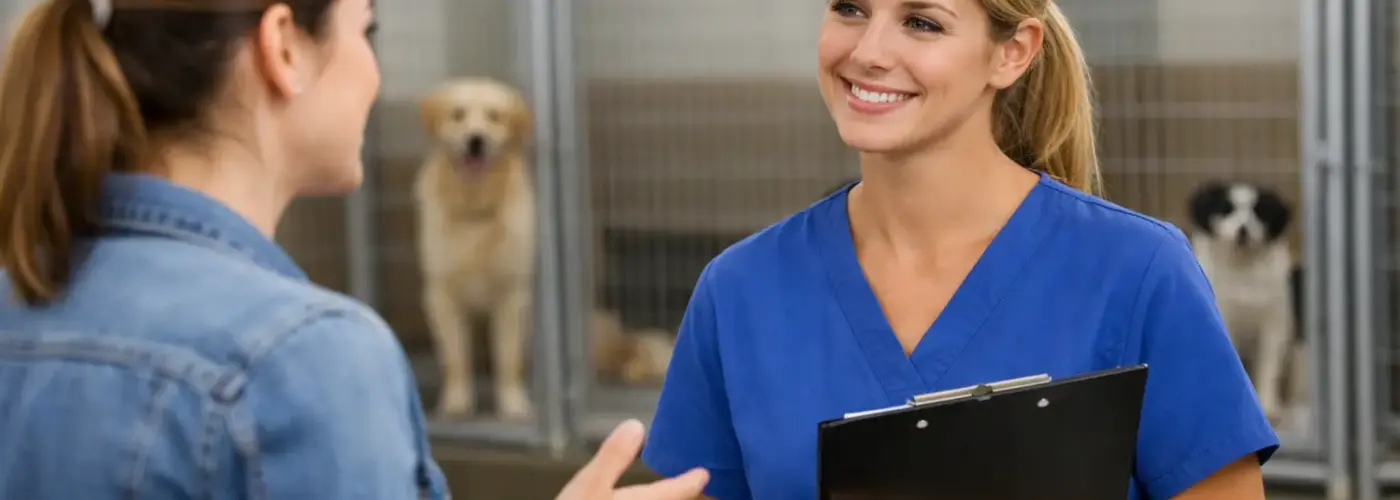
A good kennel will welcome sensible questions. Staff should be able to explain their routines clearly, show you where dogs stay and exercise, and be honest about whether their set-up suits your individual dog. Every dog is different: a lively young spaniel, an older Labrador and a nervous rescue may all need a slightly different approach.
Questions to Ask a Dog Boarding Kennel Before Booking
1. Can I visit before I book?
A visit is one of the best ways to get a genuine feel for a boarding kennel. Ask whether you can see the accommodation, outdoor runs and exercise areas. You are looking for clean, well-maintained surroundings, secure fencing, fresh water and dogs that appear settled in their environment.
Do not expect every kennel to allow unrestricted access to every area at busy times. Hygiene and the welfare of dogs already staying there matter too. But a professional boarding provider should be comfortable explaining how the site works and showing you the standards they maintain.
2. Where will my dog sleep and spend their day?
Ask whether accommodation is heated, how much space each dog has, and whether there is an individual covered outdoor run attached to the sleeping area. This is especially relevant for winter stays, older dogs and breeds that feel the cold.
Find out whether dogs from the same household can stay together, if that is what you prefer. For some dogs, sharing with a familiar companion is reassuring. Others settle better with their own calm, private space. The answer should depend on the dogs’ temperaments and the kennel’s assessment, not a one-size-fits-all policy.
3. How often will my dog be exercised?
Exercise is about more than a quick chance to stretch their legs. Ask how many walks or paddock sessions are included each day, where they take place and whether dogs are exercised individually or in carefully chosen groups.
The best arrangement depends on your dog. Some are sociable and enjoy appropriate company, while others need individual walks to remain relaxed. If your dog is energetic, ask whether the kennel has enough safe outdoor space and whether staff can accommodate their usual activity level. A countryside setting with proper paddocks can make a real difference to dogs used to regular walks.
4. What happens between walks?
Dogs spend much more time resting than exercising during a boarding stay, so ask what their quieter periods look like. Are there toys, chew items or other indoor enrichment options? How often do staff check on dogs? Is there enough peace for them to sleep undisturbed?
A lively day is not necessarily a better day if it leaves a dog over-stimulated. The aim is a sensible rhythm of exercise, human attention, mental stimulation, meals and rest. That structure often helps dogs settle, particularly after the first day or two.
5. Can you follow my dog’s food routine?
Food changes can upset even a confident dog’s stomach. Ask whether you should bring your dog’s usual food, how meals are stored and prepared, and whether staff can follow clear portion instructions. Mention allergies, sensitive digestion, supplements and any foods your dog must avoid.
It is also worth asking what happens if your dog refuses a meal. A missed breakfast can be normal when a dog is adjusting to new surroundings, but staff should monitor it and contact you if it becomes a concern. Clear communication is particularly reassuring for dogs on prescription diets or regular medication.
6. How do you manage medication and health needs?
Be direct about any medication, skin condition, mobility issue or health history. Ask who administers medication, how doses are recorded and what information they need from your vet. If your dog needs tablets hidden in food or has a particular handling routine, explain it before the stay rather than during drop-off.
You should also ask about veterinary arrangements. Is there 24-hour veterinary standby support or a named local practice? What will happen if your dog becomes unwell, and when will you be contacted? A responsible kennel cannot promise that a dog will never feel under the weather, but it can demonstrate that there is a clear, prompt plan for dealing with it.
7. What vaccinations and parasite treatments do you require?
Kennels have vaccination rules to protect every dog in their care. Ask exactly which vaccinations are required, how far in advance they must be given and whether proof is needed before arrival. Requirements can differ between providers, so do not assume last year’s paperwork is still sufficient.
Ask about flea and worming expectations as well. This is not paperwork for paperwork’s sake. Good preventative standards reduce avoidable health risks in a shared animal-care environment.
8. How will you help a nervous or first-time boarder settle?
Many owners worry most about this question, and it is a worthwhile one to ask. Describe your dog honestly: whether they are shy with strangers, unsettled by noise, new to kennels or used to sleeping near people. Ask how staff introduce a new dog to their accommodation and whether they can offer a short trial stay where appropriate.
A calm, experienced team will not dismiss your concerns. They may recommend bringing a familiar blanket or advise against it, depending on the dog and the kennel’s hygiene policy. What matters is that they are attentive to behaviour, patient during settling-in and willing to tell you realistically what to expect.
9. Who will be caring for my dog each day?
Ask about staffing, supervision and how the team gets to know each dog. A large site does not have to feel impersonal, but dogs should not be left without regular observation simply because they are safely housed.
You may also want to ask how the kennel handles emergencies outside normal hours and whether the same staff members are likely to see your dog throughout their stay. Familiar faces and a consistent routine can be especially valuable for anxious dogs.
10. What is your policy on dog interaction?
Some owners assume that dogs will play together all day. Others would strongly prefer their dog not to mix with unfamiliar animals. Neither preference is unreasonable, which is why you should ask exactly how social contact is managed.
A careful kennel will assess dogs rather than forcing interaction. Dogs may enjoy seeing and smelling other dogs from nearby runs, but off-lead group play needs close supervision, suitable matches and a clear understanding of each dog’s behaviour. Individual exercise is often the safest and most comfortable choice.
11. How will you keep me updated?
Before you travel, establish how and when the kennel will contact you. Some owners appreciate occasional updates; others would rather only hear if there is a problem. Ask what is possible during busy periods, and leave reliable contact details along with an emergency contact who can make decisions if you are unreachable.
It helps to agree this in advance. A caring team should be focused first on the dogs in front of them, but they should also understand that a brief reassuring update can mean a great deal to an owner away from home.
12. What should I bring on drop-off day?
Ask for a straightforward packing list. Usually, this includes vaccination evidence, food if required, medication in its original packaging, feeding instructions and emergency contact details. Keep handover calm and unhurried, but avoid making the goodbye overly drawn out. Dogs often take their cue from their owners.
Tell staff about anything useful that may not appear on a form: a favourite sleeping position, a word your dog knows for toilet time, a fear of thunderstorms or a tendency to guard a bowl. Small details can help staff provide more personal care from the start.
Choosing the Kennel That Feels Right
Price and convenience matter, but they should not be the only deciding factors. A kennel may be closer to home yet offer limited exercise, or it may have impressive facilities but lack the calm, individual attention your dog needs. Look for a place where care standards are clear, routines are well organised and staff speak about dogs as individuals.
For owners around Coulsdon, Caterham and Old Coulsdon, Windmill Farm combines a long-established, family-run approach with heated accommodation, individual covered runs, twice-daily paddock walks, enrichment and veterinary standby support. Those details are valuable because they answer the practical questions behind every booking: will my dog be warm, active, safe and properly cared for?
Trust your observations as well as the answers you receive. When a kennel is open about its daily routines and takes time to understand your dog, you can leave for your holiday knowing their own stay has been planned with care.
Why Choose Windmill Farm?
Here at Windmill Farm we understand how much your pets mean to you and so we want you to be confident that choosing us to house your pets is the best decision. Your stay at Windmill Farm will benefit from...
- Very friendly, family run business
- Established for over 60 years
- Surrounded by 15 acres of land
- Nestled in the Surrey countryside
- Dog pick up and collection service
- 24 hour on-call veterinary services
- Covered outside runs and plenty of toys
- All kennels and catteries are fully heated