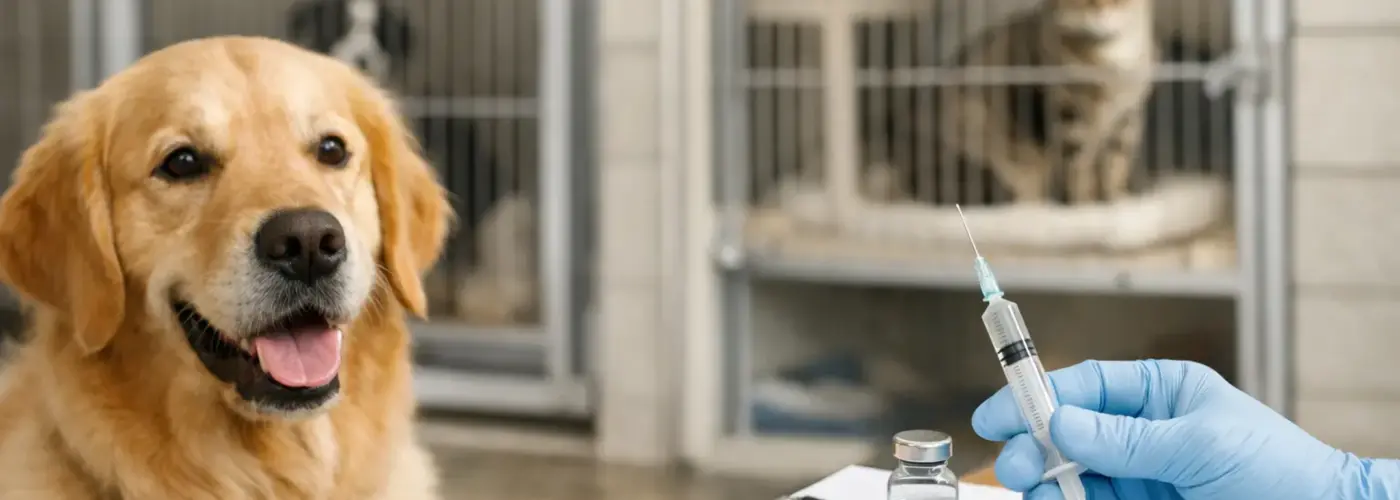
Kennel Vaccination Requirements for Boarding

A boarding stay should begin with a relaxed check-in, not a last-minute call to the veterinarian. Kennel vaccination requirements are there for a simple reason: when dogs from different homes share a professional care setting, current protection helps keep every guest safer, including your own.
For owners, the paperwork can feel like one more job before a trip. In practice, a little preparation means your dog can settle into their holiday with their usual food, familiar belongings, exercise, and individual attention - while you can leave knowing sensible health safeguards are in place.
Why Kennel Vaccination Requirements Matter
A well-run boarding kennel brings together dogs with different ages, backgrounds, and social habits. Even when dogs have their own accommodation and carefully managed routines, germs can travel more easily in any shared environment through the air, surfaces, people, or close contact during exercise and play.
Vaccination policies reduce that risk. They also protect dogs who may be more vulnerable, such as puppies, senior dogs, or dogs with health conditions. No vaccine can promise that illness will never occur, but keeping vaccinations current is one of the most practical ways to reduce the chance of preventable diseases spreading through a kennel.
These requirements are not about making boarding difficult. They are part of the everyday care standards owners should expect from a responsible facility, alongside clean accommodation, trained supervision, sensible separation of animals, and access to veterinary support if a concern arises.
The Vaccines Boarding Kennels Commonly Ask For
Every boarding facility sets its own policy, and your veterinarian is the right person to advise on what suits your dog’s health, age, and lifestyle. That said, most kennel vaccination requirements for dogs center on protection against core diseases and kennel cough.
The records commonly requested may include:
- A current rabies vaccination, where required by local rules or the boarding facility’s policy.
- A current distemper combination vaccine, often covering distemper, parvovirus, adenovirus, and parainfluenza.
- A kennel cough vaccination, usually aimed at Bordetella and, depending on the product, other respiratory infections.
- Any additional vaccination specified by the kennel, based on local disease patterns or its own veterinary guidance.
Kennel cough is often the requirement that catches owners by surprise. It is a broad name for contagious respiratory illness, rather than one single infection. A dog may appear perfectly healthy at home but can still encounter respiratory bugs in places where dogs gather. Boarding facilities frequently ask for kennel cough protection because it helps lower the risk across the guest population.
It is worth remembering that vaccination does not always prevent every cough or mild illness, particularly when several viruses can cause similar symptoms. It can, however, reduce risk and support a safer boarding environment. A reputable kennel will be open about this balance rather than offering guarantees no one can honestly make.
Cats Have Their Own Boarding Requirements
If you are arranging cattery accommodation, ask separately about the required feline vaccinations. Cats do not need canine vaccines, and their boarding requirements normally focus on vaccines appropriate for feline respiratory illnesses and other core feline diseases.
Indoor cats are sometimes thought to need less preparation because they rarely meet other animals. But a stay in a cattery changes their environment, so facilities may still require current veterinary records to protect all feline guests. Check the policy early, especially if your cat is overdue for a booster or has a medical history that needs veterinary consideration.
Timing Is Just as Important as the Record
Do not leave vaccination checks until the week before departure. Some vaccines need time before they can provide useful protection, and a first course or lapsed vaccination may involve more than one appointment. Your veterinarian can tell you the appropriate timing for the specific product your pet receives.
Many kennels also have a minimum period between a kennel cough vaccine and arrival. This can vary by facility and vaccine type. The intranasal, oral, and injectable forms may have different timing considerations, which is another reason not to rely on an old reminder card or assumptions from a previous stay.
If your dog’s vaccine expires during their boarding dates, contact the kennel before booking. Some may require coverage through the full stay, while others may discuss the situation with you on a case-by-case basis. Being upfront avoids disappointment at check-in and gives you time to make a suitable plan.
For puppies, the answer is especially dependent on age and vaccination status. Young dogs are still building protection through their initial course, and they may not be ready for a group boarding setting at the same stage as an adult dog. Speak to both your veterinarian and the boarding facility before making travel arrangements.
What to Bring to Check-In
The simplest approach is to ask the kennel what it accepts as proof before you arrive. A vaccination certificate from your veterinarian is commonly used, whether presented as a printed document or sent ahead electronically. It should clearly show your pet’s name, the vaccination dates, the vaccine given, and the veterinarian’s details.
Keep the original record somewhere safe and bring a copy if requested. If another family member is dropping off your dog, make sure they have the required paperwork and know about any feeding instructions, medication, allergies, or recent health changes. Good information at check-in allows the care team to keep your pet’s routine as consistent and comfortable as possible.
It also helps to tell staff if your dog has recently been coughing, sneezing, vomiting, had diarrhea, or seemed unusually tired. This is not a reason to worry about being judged. It is responsible information that may protect your dog and other guests. A kennel may ask for veterinary advice, postpone the stay, or arrange extra precautions depending on the symptoms and circumstances.
Questions Worth Asking Before You Reserve
Vaccinations are one part of choosing boarding care, not the whole picture. A clear health policy is reassuring because it shows the facility takes prevention seriously, but owners should also look at how their pet will actually spend each day.
Ask whether dogs have individual sleeping areas and outdoor runs, how often they are exercised, how staff monitor appetite and behavior, and what happens if a pet becomes unwell. Find out whether the accommodation is heated, whether familiar food can be provided, and how the team supports nervous first-time boarders. These details matter because a calm, well-managed stay supports health as well as happiness.
At Windmill Farm, dogs enjoy individual covered outdoor runs, twice-daily paddock walks, and attentive care in a countryside setting. That combination of space, routine, and supervision is designed to help pets feel settled while their families are away.
If your dog is anxious around other dogs, has special dietary needs, takes medication, or has a condition that affects their mobility, mention it when you inquire. The right boarding arrangement may involve a quieter location, adjusted exercise, extra observation, or a conversation with your veterinarian. The best answer is not always the same for every dog.
A Calm Start Makes for a Better Stay
Once your dog’s records are in order, keep the days before boarding fairly ordinary. Avoid sudden food changes, and pack any approved food or medication with clear instructions. A familiar blanket or toy may be helpful if the kennel permits it, though avoid sending anything precious that could be damaged or misplaced.
At drop-off, a calm goodbye is usually kinder than a long, worried farewell. Dogs often take their cue from their owners. When you are matter-of-fact and reassuring, staff can begin helping them settle into their new routine straight away.
The best time to check kennel vaccination requirements is when you first begin planning your trip. With the veterinary details handled early, you can focus on the more enjoyable question: where will your pet receive the comfort, exercise, and care they deserve while you are away?
Why Choose Windmill Farm?
Here at Windmill Farm we understand how much your pets mean to you and so we want you to be confident that choosing us to house your pets is the best decision. Your stay at Windmill Farm will benefit from...
- Very friendly, family run business
- Established for over 60 years
- Surrounded by 15 acres of land
- Nestled in the Surrey countryside
- Dog pick up and collection service
- 24 hour on-call veterinary services
- Covered outside runs and plenty of toys
- All kennels and catteries are fully heated