Heated Dog Kennels With Runs: What Matters?
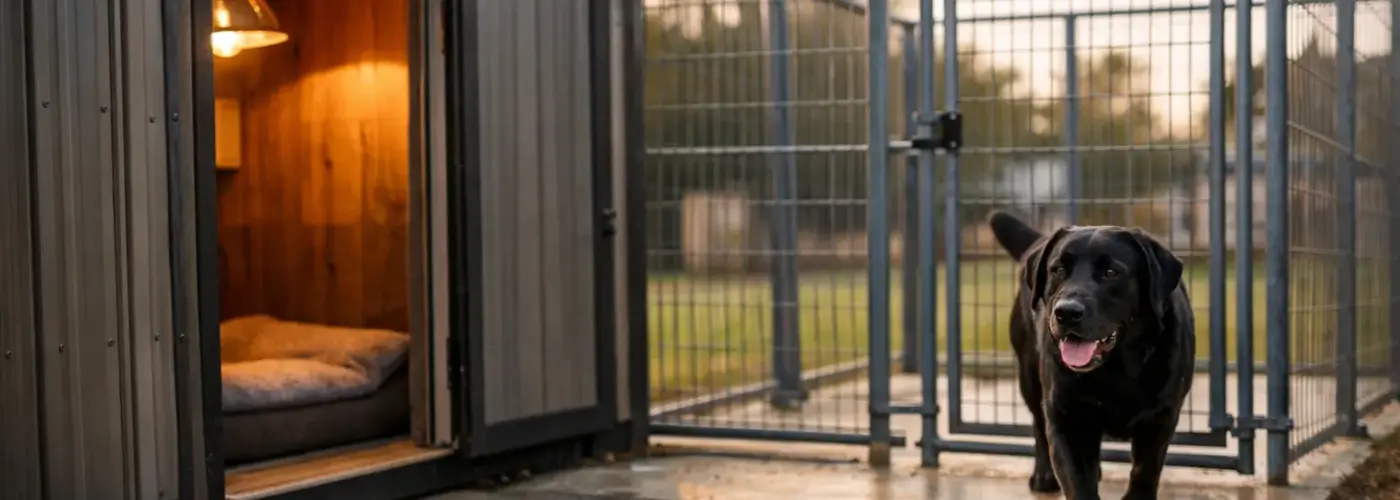
A cold, dark morning is when the difference between basic boarding and genuinely thoughtful care becomes most obvious. Heated dog kennels with runs should give a dog more than shelter from the weather: they should provide a warm place to rest, safe access to fresh air, and a familiar routine while their family is away.
For owners arranging care during a holiday, a work trip or an unexpected period away from home, heating and an outdoor run can sound like simple practical features. They are practical, but they also say a great deal about how a boarding kennel approaches comfort, cleanliness, exercise and individual attention.
Why warmth matters in boarding kennels
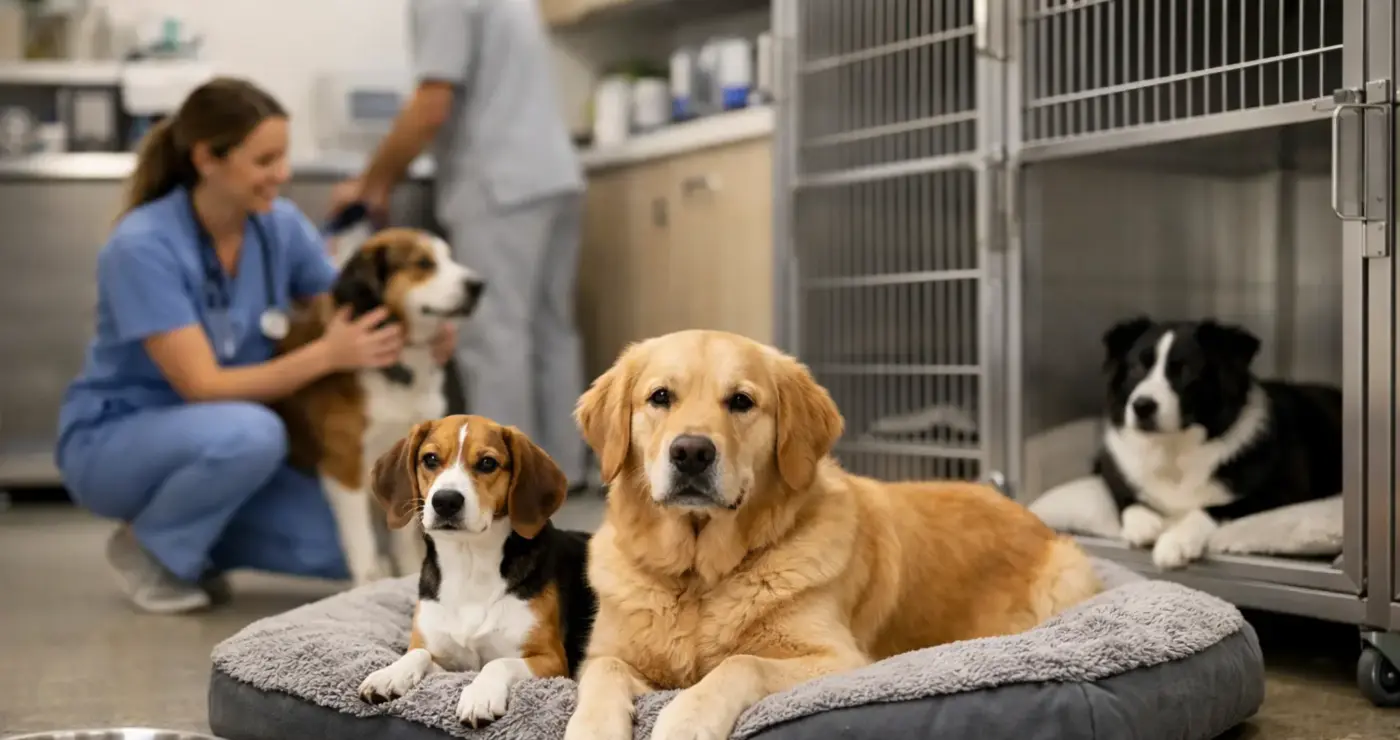
Dogs cope with cooler weather in different ways. A lively young Labrador may be eager to head outside on a crisp morning, while a small, short-coated, older or nervous dog may feel the cold much sooner. A heated sleeping area helps every dog settle after exercise, particularly in autumn and winter, and gives staff a comfortable environment in which to monitor their wellbeing.
The goal is not an overheated room. Dogs need a clean, dry, well-ventilated space with a sensible, steady temperature and comfortable bedding. Excessive heat can be just as uncomfortable as a chill, especially for thick-coated breeds. Good kennel design balances warmth with fresh air and allows each dog a chance to rest properly between activities.
For dogs accustomed to sleeping indoors at home, this can make the first nights of boarding far less of an adjustment. A warm suite will not replace their own bed or their people, but it supports the calm, secure feeling that helps them settle into a new routine.
What a private run adds to a dog's stay
An individual covered run gives a dog choice. They can step out for a sniff, stretch their legs, watch the surroundings or take in the fresh air, then return to their warm indoor area when they are ready. That freedom to move between spaces is particularly valuable during wet British weather, when a dog may still want outdoor time without being left exposed to rain and wind.
Covered runs also support sensible management. Each dog's own area can be kept clean and dry, while staff can supervise dogs according to their needs and temperament. Not every dog enjoys the company of unfamiliar dogs at close quarters, and quieter or more anxious guests often benefit from having their own secure space.
A run should not be mistaken for a full exercise programme, however. Even a generous private run does not replace walks, play, training opportunities and attentive interaction. Dogs need changes of scene and positive things to do, not simply more square footage.
Heated dog kennels with runs need a proper routine
The best heated dog kennels with runs combine comfortable accommodation with a day that has shape. Dogs are creatures of habit. Regular meals, cleaning, rest periods, outdoor exercise and friendly staff contact help them understand what happens next, which can reduce stress during a stay away from home.
Ask how often dogs are walked and where those walks take place. A brief trip into a small yard is different from a proper supervised walk in secure paddocks. For many dogs, twice-daily walks offer a valuable outlet for energy and curiosity, particularly when they are used to a regular walking routine at home.
Indoor enrichment matters too, especially when the weather is poor or a dog is resting between outings. Suitable toys, gentle interaction and activities adapted to the dog can prevent boredom. A young, energetic dog may need more engagement than a quiet senior, while a nervous first-time boarder may initially prefer calm reassurance over too much stimulation.
There is no single perfect schedule for every dog. The important point is that the kennel team learns about each guest and can make sensible adjustments within a safe, organised routine.
Questions worth asking before you book
A visit or conversation with the boarding team should leave you with a clear picture of your dog's day. It is reasonable to ask whether the sleeping accommodation is heated, whether the run is covered, how often the suites are cleaned, and what happens during periods of heavy rain or cold weather.
It is also useful to ask about supervision. Who checks the dogs outside normal office hours? What is the procedure if a dog seems unwell, refuses food or becomes unsettled? A responsible establishment will have clear veterinary arrangements and will be comfortable explaining its process.
Food is another consideration. Some kennels provide a consistent diet, while others can accommodate an owner's supplied food where appropriate. If your dog has medication, allergies, a sensitive stomach or a very particular feeding routine, raise this before booking rather than assuming it can be managed on arrival.
Finally, be honest about your dog's character. Let the team know if they are shy around strangers, vocal in a new environment, uneasy with handling, excitable near other dogs or likely to guard food or toys. This information is not a judgement on your dog. It allows experienced carers to plan a safer, more comfortable stay from the outset.
The difference between shelter and comfort
A kennel can be clean and secure yet still feel impersonal if a dog's daily needs are treated as a checklist. Real comfort comes from the details: a warm bed after a damp walk, a dry run to use at their own pace, staff who notice a change in appetite, and time spent understanding what helps that individual dog relax.
This is especially significant for first-time boarders. Many owners worry more about emotional wellbeing than the practicalities. Will their dog miss them? Will they eat? Will anyone know if they are anxious? These are fair concerns, and no responsible kennel should dismiss them with vague promises.
Instead, look for specific standards. Clear exercise arrangements, heated accommodation, individual runs, enrichment and veterinary support are all tangible signs of preparation. They do not guarantee that every dog will immediately love being away from home, but they create the right conditions for a positive experience.
When heating and runs are especially helpful
These features are valuable for most dogs, but they can be particularly reassuring in a few situations. Older dogs may appreciate a warmer resting space after gentle exercise. Small breeds and short-coated dogs may be more sensitive to colder conditions. Dogs recovering from a change in routine may settle better when they can move freely between a cosy indoor area and a sheltered outdoor run.
For active dogs, the benefit lies in balance. They need an outlet, but they also need a calm place to switch off. A covered run gives them access to the outside environment between planned walks, while a heated kennel gives them somewhere comfortable to rest afterwards.
Puppies and adolescent dogs need individual consideration. Their energy levels can be high, but they may also be more easily overstimulated by a busy boarding environment. Ask how staff manage young dogs' exercise, rest and enrichment rather than choosing solely on the basis of a large run.
A countryside setting can make a real difference
For dogs used to suburban walks and household noise, time in a spacious rural setting can be a welcome change. Secure paddock walks offer room to explore under supervision, while the kennel remains a consistent base for meals and rest. The combination can feel more like a well-managed holiday than temporary containment.
At Windmill Farm, dogs have heated accommodation, individual covered outdoor runs, indoor enrichment and twice-daily paddock walks across the farm setting. Those practical details sit alongside attentive daily care and 24-hour veterinary standby support, helping owners leave with confidence when they need to be away.
A peaceful setting is not a substitute for professional standards, of course. Security, hygiene, staff experience and a clear routine remain essential. But when these foundations are in place, outdoor space gives dogs more opportunities to use their senses, stretch their legs and enjoy their stay.
Preparing your dog for a comfortable stay
A little preparation can make a meaningful difference. Keep your dog's routine steady in the days before boarding and provide accurate feeding, medication and behaviour information. If the kennel permits it, a familiar-smelling item from home may help some dogs settle, although it is best to check what is suitable and safe first.
Avoid making departure overly dramatic. Dogs often take their cue from their owners, so a calm, matter-of-fact handover can be kinder than a long, anxious goodbye. Give the team the information they need, say goodbye warmly, and allow them the space to introduce your dog to their new routine.
The right boarding kennel will welcome questions, explain how it cares for dogs in colder weather and treat your pet as the individual they are. When warmth, exercise, fresh air and kind supervision work together, you can go away knowing your dog has a comfortable place to rest, explore and be well looked after.
Why Choose Windmill Farm?
Here at Windmill Farm we understand how much your pets mean to you and so we want you to be confident that choosing us to house your pets is the best decision. Your stay at Windmill Farm will benefit from...
- Very friendly, family run business
- Established for over 60 years
- Surrounded by 15 acres of land
- Nestled in the Surrey countryside
- Dog pick up and collection service
- 24 hour on-call veterinary services
- Covered outside runs and plenty of toys
- All kennels and catteries are fully heated