How to Prepare Dogs for Boarding Before Your Holiday
The best way to prepare dogs for boarding is not to make a fuss of the handover. It is to make the days beforehand feel familiar, calm and well organised. Dogs take their lead from us, and when their routine, health information and belongings are in order, they are far more likely to view their stay as a change of scene rather than a cause for concern.
For many owners, the hardest part is leaving a much-loved dog behind. A good boarding stay should give you confidence that your dog will have attentive care, exercise, rest and company while you are away. A little preparation helps the kennel team provide that care in a way that suits your dog from the first day.
Start preparing dogs for boarding early
If boarding will be new for your dog, begin preparing a few weeks ahead where possible. This is particularly useful for young dogs, rescue dogs, or dogs who rarely spend time away from their family. There is no need to create a dramatic training programme. Small, ordinary changes are usually more effective.
Practise short periods apart if your dog is used to having someone at home all day. A relaxed walk with a family member, a few hours with a trusted friend, or settling with a chew while you go out can help build confidence. The aim is simply to show your dog that you leave and return, and that being apart is safe.
Keep their normal routine steady in the run-up to your trip. Try not to introduce a new food, change feeding times or begin intensive training just before boarding. Dogs generally settle best when the basics - meals, walks and rest - remain predictable.
Arrange a visit if it will reassure you
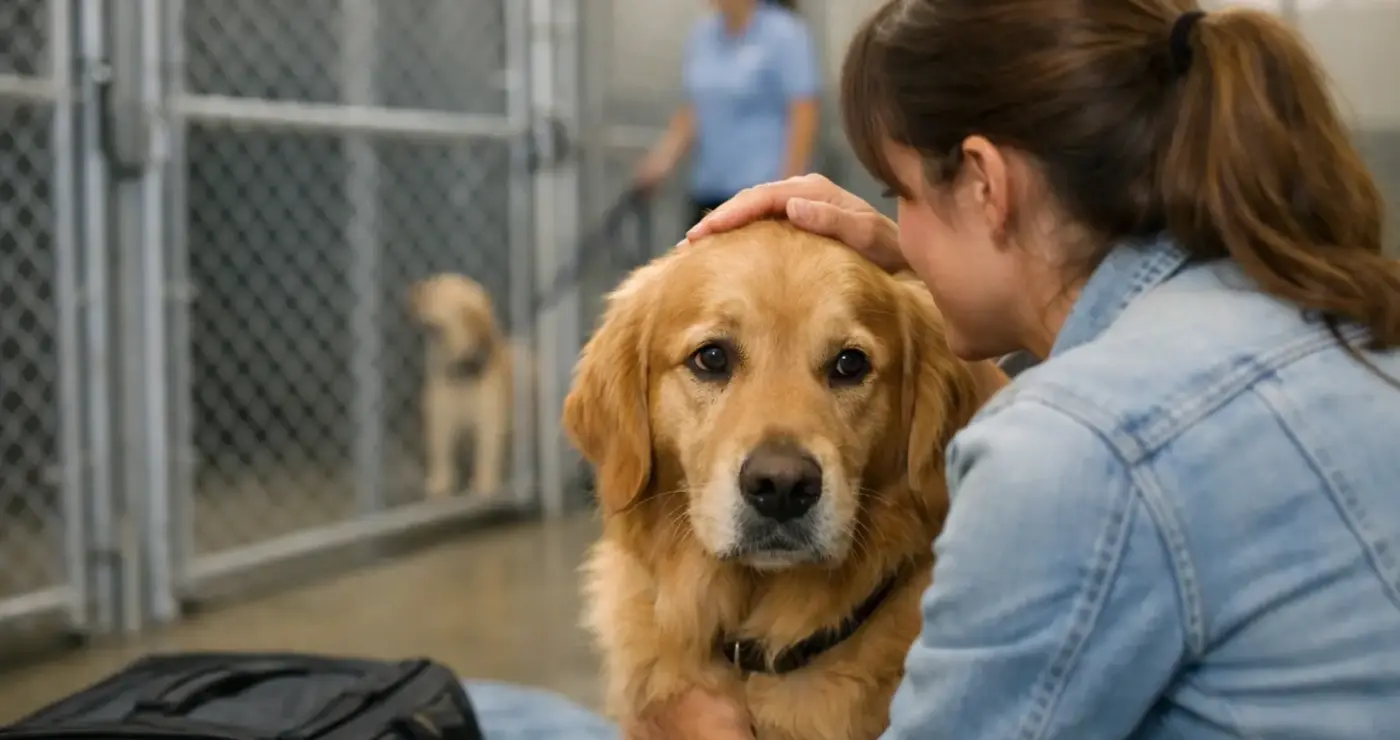
A visit before booking can be especially helpful for first-time kennel users. It gives you the chance to see where your dog will sleep, ask about daily routines and understand how exercise and supervision are managed. It also lets you judge whether the environment feels clean, calm and welcoming.
At Windmill Farm, dogs have heated accommodation, individual covered outdoor runs, indoor toys and twice-daily paddock walks. For an owner who is worried that a kennel stay means long hours without attention or activity, seeing the practical arrangements can make a real difference.
Not every dog needs to visit beforehand. Some confident dogs cope perfectly well with a straightforward arrival. But if you are anxious, a visit is worthwhile because your dog will pick up on your reassurance as much as on the surroundings themselves.
Check vaccinations, parasite treatment and health details
Boarding kennels need clear, current health information to protect every dog in their care. Check the boarding provider's requirements well before your departure date, rather than leaving it until packing day. Vaccination records may be needed, and there may be specific expectations around flea and worm treatment.
If your dog is due a vaccination or has recently been unwell, speak to your vet in good time. It is better to allow your dog to recover fully and to give any treatment time to take effect than to make a rushed decision close to departure. If they have a long-term condition, allergies, mobility needs or a sensitive stomach, provide accurate details so their care can be planned properly.
Medication should be supplied in its original packaging, clearly labelled, with simple written instructions covering the dose and timing. Mention how easily your dog takes it. A tablet hidden in food may work well at home but not for every dog in a new setting, so this small detail can be genuinely useful.
Be open about behaviour too. Kennel staff need to know if your dog is nervous around other dogs, protective of their food, unsettled by thunder, uncomfortable with handling, or inclined to chew bedding. This is not a judgement on your dog. It helps staff give them suitable space, handling and reassurance.
Pack familiar comforts, but keep it simple
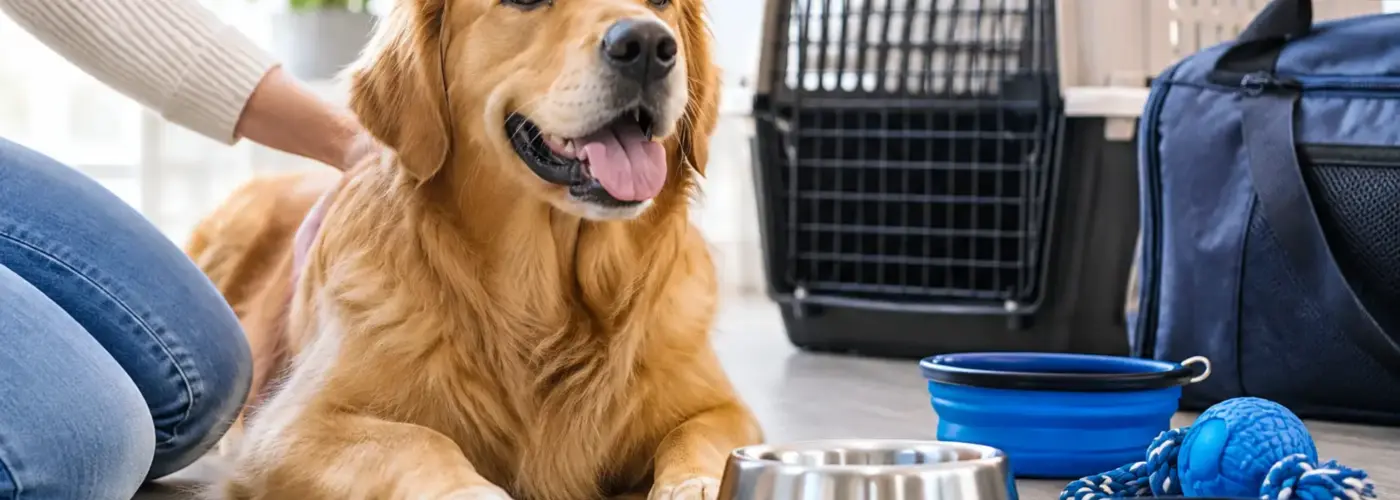
A familiar-smelling item can help a dog settle, especially on the first evening. A favourite blanket, washable bed or safe toy can bring a little bit of home with them. Choose items that are sturdy, clearly labelled and not so precious that you would worry about them being used, washed or misplaced.
It is tempting to pack a whole bag of toys and treats, but more is not always better. A boarding environment already offers different sights, smells and activities. A couple of familiar comforts are usually enough, while the team can use their knowledge of the dog's routine and temperament to provide suitable enrichment.
Food is an area where consistency matters. If your dog has a particular diet, a sensitive digestion or a prescribed food, make sure the kennel knows this in advance and provide enough food for the full stay, with a little extra for delays. Sudden dietary changes can upset even the most easy-going dog.
Write down feeding amounts in everyday terms. Rather than saying “one portion”, state how much is given, when it is served and whether water is added. Mention any habits that matter, such as eating more readily after a walk or needing meals served separately from a companion dog.
Keep the drop-off calm and clear
On the day of boarding, give your dog their usual walk and allow enough time for an unhurried journey. Arriving flustered after a late start can make both owner and dog feel unsettled. A normal walk, toilet break and calm car journey set a much better tone.
At check-in, share the essentials clearly: feeding, medication, medical history, emergency contacts and anything that will help staff understand your dog. It is useful to explain their character in a sentence or two. For example, “She is friendly but takes a moment to warm up,” or “He loves a ball but can be vocal when excited.” These observations help staff make a personal connection quickly.
Once the handover is complete, keep your goodbye warm but brief. Lingering, repeated goodbyes can tell a dog that there is something to worry about. A confident farewell, followed by a prompt departure, is often kinder. Staff are used to helping dogs settle and will give them time to take in their new surroundings.
Think about your dog's individual needs
There is no single answer to how dogs settle in boarding. A sociable, active dog may be ready to explore immediately, while a quieter dog may prefer a little time in their suite before engaging with staff. A professional kennel should recognise this difference rather than expecting every dog to behave in the same way.
Older dogs may need extra comfort, a gentler walking pace or support with medication. Puppies and adolescent dogs may need more supervision and positive outlets for their energy. Dogs from multi-pet homes can also react differently when boarded together or separately, depending on how they usually rest, eat and cope with change.
The right preparation is therefore not about making your dog behave perfectly. It is about giving the boarding team an honest picture of what makes them comfortable. Good care is personal care: knowing whether a dog likes a quiet word before breakfast, a slow introduction to a new routine, or an energetic paddock walk to take the edge off their excitement.
Give yourself permission to enjoy your time away
It is normal to miss your dog, even when you know they are in capable hands. Before you leave, make sure the kennel has the right contact details and that you understand their procedure should they need veterinary advice. A provider with 24-hour veterinary standby support offers useful reassurance, particularly for owners of older dogs or those with ongoing health needs.
Then allow yourself to go on holiday, attend the family occasion or manage the commitment that made boarding necessary. Your dog does not need a perfect copy of home. They need a safe, warm, well-supervised place with regular exercise, kind people and a routine they can understand. With a little thought beforehand, boarding can become a positive and familiar part of life for both of you.
Posted: 04th November 2026
Why Choose Windmill Farm?
Here at Windmill Farm we understand how much your pets mean to you and so we want you to be confident that choosing us to house your pets is the best decision. Your stay at Windmill Farm will benefit from...
- Very friendly, family run business
- Established for over 60 years
- Surrounded by 15 acres of land
- Nestled in the Surrey countryside
- Dog pick up and collection service
- 24 hour on-call veterinary services
- Covered outside runs and plenty of toys
- All kennels and catteries are fully heated


