
Guide to Senior Pet Boarding for a Calmer Stay
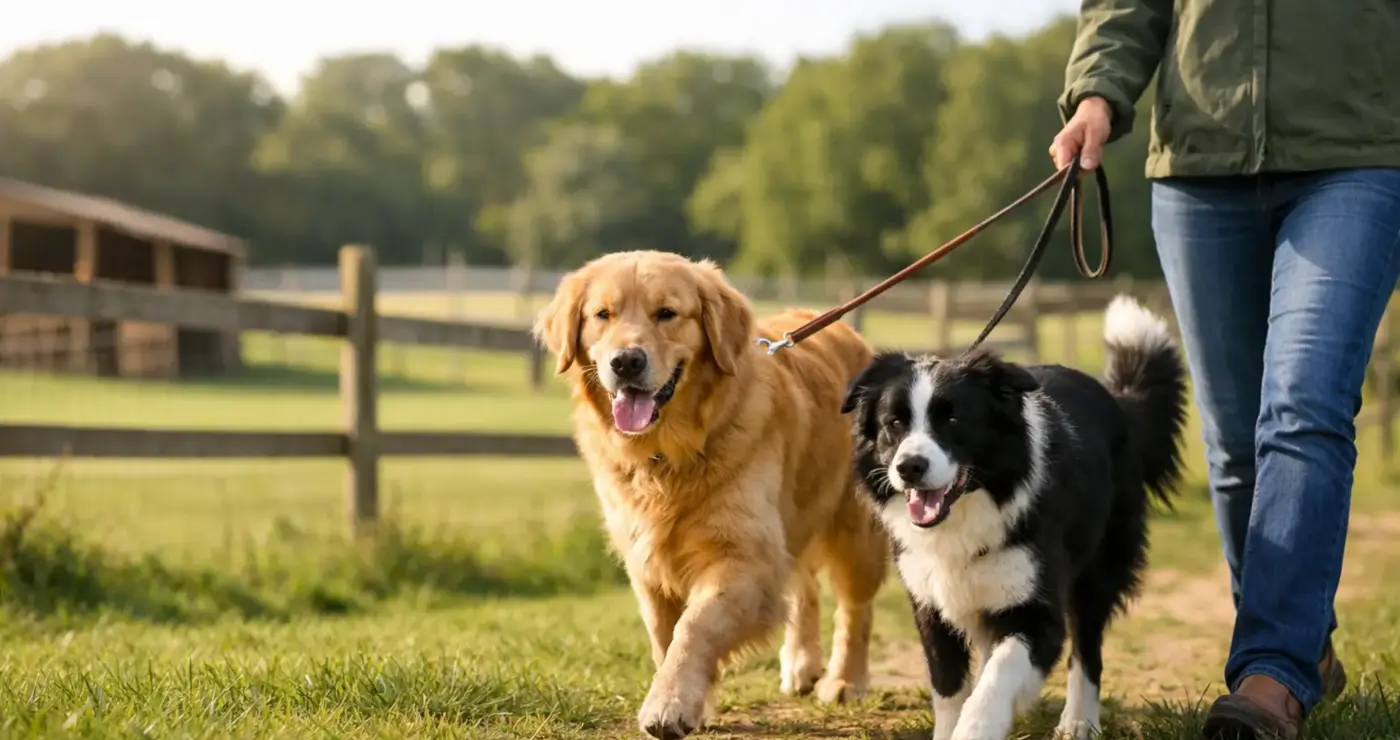
An older pet may still greet the prospect of a holiday with enthusiasm, but they are less likely to cope well with sudden changes in routine, temperature or comfort. This guide to senior pet boarding is designed to help you make a thoughtful choice, so time away from home feels settled and well supported for your dog or cat.
Ageing looks different from one animal to another. A lively twelve-year-old terrier may enjoy plenty of company and gentle exercise, while a younger cat with arthritis may need a quieter space and closer observation. The right boarding arrangement is not simply about a pet’s age. It is about their health, mobility, temperament and the small routines that help them feel secure.
When is a pet ready for boarding?
Senior pets can enjoy boarding very well when their needs are understood and their care is planned properly. Before arranging a stay, consider how your pet manages changes at home. Do they settle happily in a new room? Are they eating normally? Can they cope with a short car journey, and do they become anxious when separated from you?
A recent check-up with your vet is sensible if your pet has developed new symptoms, is taking regular medication or has a long-term condition. Boarding may still be suitable, but staff need clear, current information. A vet can also advise whether travel, a change in environment or a particular exercise routine needs adapting.
Be honest about any difficulties, including stiffness after rest, reduced hearing, poor sight, incontinence, anxiety around other animals or a fussy appetite. These are not reasons to feel embarrassed or to assume your pet cannot stay away. They are details that allow a good boarding team to provide more appropriate care from the first day.
Choosing senior pet boarding with care
For an older dog or cat, comfort should be visible, not just promised. Ask to see where pets sleep, eat, exercise and rest. Accommodation should be clean, dry and warm, with staff who can explain how they monitor each animal’s appetite, behaviour and general wellbeing.
Heating matters particularly for pets with arthritis, a thin coat or limited mobility. Older animals often feel the cold more keenly, especially overnight or after exercise. A comfortable sleeping area, fresh bedding and a calm routine can make a considerable difference to how well they settle.
Dogs still benefit from exercise, but the best routine is not always the longest or most energetic one. Gentle, regular walks with time to sniff and move at their own pace may be far more suitable than high-energy play. Look for a boarding setting that can discuss your dog’s normal exercise level and make sensible adjustments where needed.
For cats, peace and familiarity are often the priority. Cats may take longer to settle than dogs, particularly if they are elderly or used to a quiet home. Their accommodation should offer warmth, privacy and a clean, peaceful area away from the bustle of dogs. Enrichment is useful, but so is allowing a reserved cat the space to observe and come forward in their own time.
A professional boarding provider should also have clear veterinary arrangements. Ask what happens if your pet seems unwell, refuses food or needs urgent attention outside normal hours. Knowing there is a defined process, alongside 24-hour veterinary standby support, brings real reassurance when you are away.
The information your boarding team needs
The more clearly you share your pet’s usual routine, the easier it is for staff to make their stay feel familiar. Explain when they normally eat, how quickly they tend to eat, whether they need food softened or warmed, and what usually encourages them if their appetite is slow.
Medication deserves particular care. Provide it in its original packaging with enough for the full stay and a little extra in case your return is delayed. Give written instructions that state the medicine’s name, dose, timing and method of administration. If it needs refrigeration, mention this when booking rather than at drop-off.
It is also helpful to share your pet’s normal mannerisms. Perhaps your dog takes time to trust new people but relaxes once spoken to quietly. Perhaps your cat enjoys a brush before breakfast, or your dog is stiff first thing in the morning and walks more freely later in the day. These details help staff recognise what is normal for your pet and what may require attention.
Bring up-to-date vaccination information and ensure any required parasite treatments have been completed according to the boarding provider’s policy. Requirements exist to protect every animal in their care, including those whose age or health may make them more vulnerable.
Prepare gradually rather than rushing the handover
The day you leave does not need to be stressful. Where possible, arrange a visit before booking so you can see the setting and ask practical questions. For a first-time boarder, a shorter trial stay can be worthwhile, particularly for a nervous dog or an elderly cat with established habits. It gives staff a chance to learn what helps them settle, and gives you useful confidence before a longer holiday.
In the week before boarding, keep home life fairly normal. Avoid changing food, starting a new supplement or dramatically altering walking times unless your vet has advised it. Sudden changes can make it harder to tell whether a pet is unsettled by boarding or simply adjusting to something new.
Pack only what the boarding provider has agreed to accept. Familiar food and prescribed medication are usually the essentials. A familiar-smelling item may comfort some pets, but loose blankets, toys or beds can be unsuitable in certain accommodation for safety or hygiene reasons. It is always better to ask than assume.
On arrival, stay calm and keep the goodbye kind but brief. Pets often take their cue from us. A long, emotional farewell can make an anxious animal more uncertain, whereas a relaxed handover tells them this is a safe, ordinary part of the day.
What good daily care looks like
Senior boarding is not about wrapping an older pet in cotton wool. It is about balancing gentle activity, rest, observation and companionship. Staff should notice changes such as a slower appetite, reluctance to move, unusual toileting, coughing, restlessness or withdrawal. In older animals, small changes can sometimes be early signs that they need extra support.
At Windmill Farm, dogs have heated accommodation, individual covered outdoor runs, indoor enrichment and twice-daily paddock walks. This type of structured routine gives dogs fresh air and stimulation while allowing staff to keep a close eye on their comfort. The right level of activity will still depend on the individual dog, so discuss mobility and exercise needs before confirming a stay.
A good provider will not pretend every senior pet responds in the same way. Some thrive on the interest of a new environment and regular human attention. Others need quieter handling, slower introductions and more rest. Personal care means responding to the animal in front of them, rather than applying one routine without adjustment.
Questions worth asking before you book
Before choosing a boarding stay, ask how medication is recorded and administered, how often pets are checked, and what happens if there is a health concern. Ask whether staff can accommodate a slower walking pace, dietary instructions or a pet that needs a little extra time to settle.
It is also reasonable to ask about overnight arrangements, heating, cleaning routines and veterinary cover. These are practical questions, not fussy ones. Your pet has spent years building trust with you, and choosing care carefully is part of looking after them.
Finally, plan your collection day with your pet’s needs in mind. Older dogs may be pleased to see you but tired after the excitement, while cats may prefer a quiet evening at home. Keep the first night calm, offer their usual food and water, and allow them to return to their familiar rhythm. With considerate preparation and a boarding team that pays attention to the details, time apart can be comfortable for them and reassuring for you.
Why Choose Windmill Farm?
Here at Windmill Farm we understand how much your pets mean to you and so we want you to be confident that choosing us to house your pets is the best decision. Your stay at Windmill Farm will benefit from...
- Very friendly, family run business
- Established for over 60 years
- Surrounded by 15 acres of land
- Nestled in the Surrey countryside
- Dog pick up and collection service
- 24 hour on-call veterinary services
- Covered outside runs and plenty of toys
- All kennels and catteries are fully heated