How to Pack Dog Medication for Kennel Stays
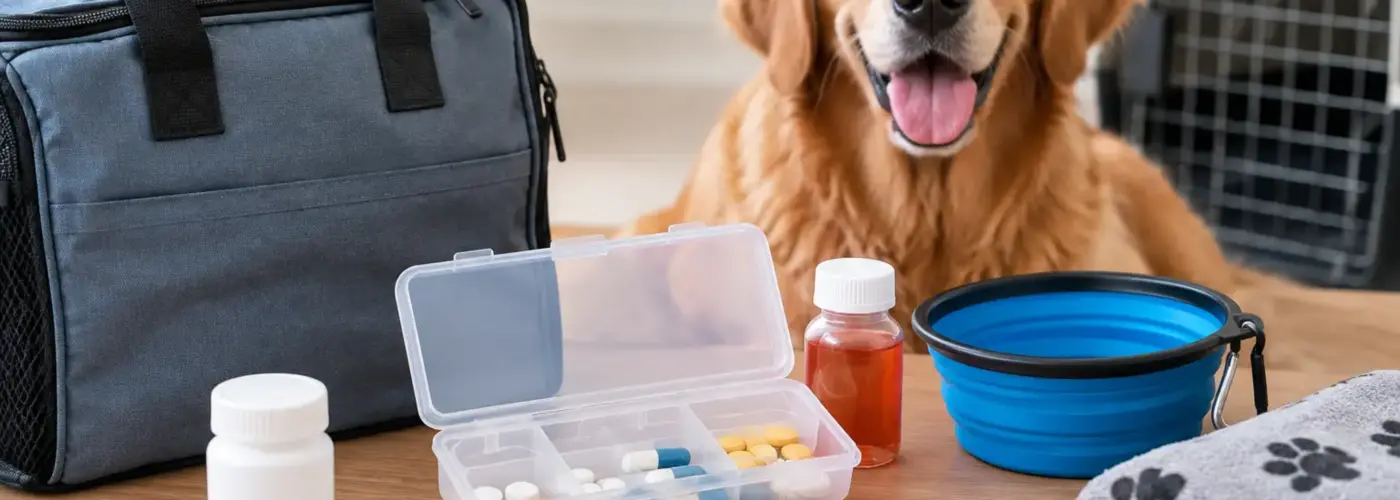
A dog’s medicine routine can feel like the one part of a holiday that cannot be left to chance. The good news is that knowing how to pack dog medication for boarding is mostly about making each dose clear, secure and easy for the team caring for them to give correctly. A little preparation at home gives your dog the best chance of settling into their usual routine while you are away.
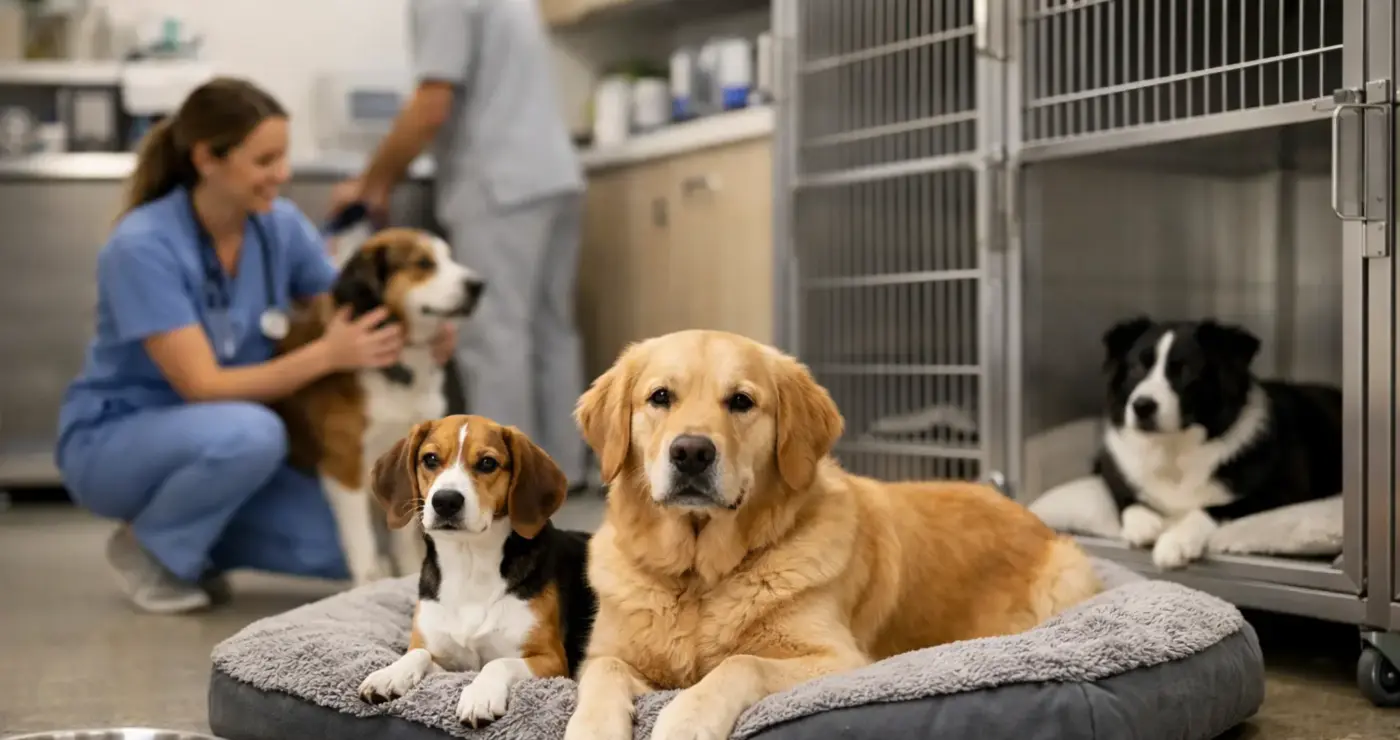
At a well-run kennel, medication is handled as part of an individual care plan, not as an afterthought. Staff still need accurate information, however, particularly when several medicines, different dose times or special feeding instructions are involved. Pack thoughtfully, speak openly at handover and let the kennel know of any recent changes before your dog arrives.
Start with the original packaging
Whenever possible, send medication in its original box, bottle or tube with the pharmacy label attached. This shows your dog’s name, the medicine name, strength and prescribed directions. It also helps avoid confusion between similarly shaped tablets or products with similar names.
Do not decant tablets into an unlabelled bag, loose envelope or weekly pill organiser unless the boarding team has specifically agreed to it in advance. These can be useful at home, but a labelled container gives kennel staff the information they need to check every dose safely. If a tablet has been cut in half, leave the remaining pieces in the original labelled packet or a clearly marked container alongside it.
Prescription medication should be supplied in the condition it was dispensed. Avoid sending expired medicines, damaged blister packs or liquids with missing measuring syringes. If the label is worn or difficult to read, ask your vet or pharmacy for a replacement label before your stay.
Pack enough medication, plus a sensible buffer
Count out enough medicine for the full booking, then add a small extra supply where appropriate. Delayed journeys, an extended stay or a dropped tablet should not mean your dog suddenly runs out. There is no need to send months of treatment, but a few spare doses can prevent an avoidable problem.
For liquid medicine, check that the bottle contains enough for the entire stay and pack the correct oral syringe, spoon or dropper. A kitchen teaspoon is not a reliable measuring tool. For creams, ear drops or eye drops, make sure the cap is secure and the product is clearly labelled for your dog.
Some medication has particular storage needs. Insulin, certain liquids and some eye preparations may need refrigeration, while other products should be kept dry and away from direct heat. Tell the kennel about these requirements before booking, rather than assuming refrigeration or a particular storage arrangement will be available. It is also worth checking whether a product needs to be shaken, mixed, given with food or allowed to reach room temperature before use.
Write instructions that someone else can follow
A veterinary label is helpful, but a separate written medication note is just as valuable. It should state your dog’s full name, each medicine and its strength, the exact amount to give, and the times it is normally given. Include whether it should be administered with a meal, after food, on an empty stomach or hidden in a small treat.
Be specific. “One tablet twice daily” is clearer when it also says “one 50 mg tablet at breakfast and one at evening meal”. If you give half a tablet, identify which tablet is being halved. If your dog takes different doses on different days, set this out plainly by date.
Your note should also explain any practical details that help your dog take the medicine calmly. Perhaps they accept a tablet in a little wet food, need a tablet placed at the back of the tongue, or are happy to take a liquid from a syringe. This information helps staff maintain familiar routines without making medication time more stressful than it needs to be.
It is useful to include the reason for the medication in simple terms, such as arthritis, thyroid support, a recent ear infection or seizure control. You do not need to provide pages of clinical history, but context can help staff recognise whether a change in appetite, mobility or behaviour may be relevant.
Tell the kennel about every product your dog receives
Medication is not limited to prescription tablets. Mention regular supplements, joint powders, calming products, probiotics, flea treatment, skin creams, ear cleaners and any occasional medicine your dog may need. Some owners do not think of these as medication, but they can affect routines, feeding and welfare.
For example, a digestive supplement may need to be mixed into a meal, while a calming product may be most effective when started before the journey. If your dog has an as-needed medicine for pain, anxiety, travel sickness or allergies, ask the kennel in advance whether they can administer it and under what circumstances. Staff should not be expected to make a judgement call without clear veterinary guidance.
Controlled drugs, injectable medication and medicines needed in response to seizures, diabetes or a serious allergy often require additional planning. Be open about these needs at the enquiry stage. A responsible boarding provider may ask for a veterinary care plan, emergency instructions or confirmation that the medicine can be managed safely during the stay. That is a sign of careful care, not unnecessary fuss.
Confirm recent changes before drop-off
If your vet has changed a dose, started a new treatment or advised monitoring for a particular symptom, tell the kennel before arrival. A last-minute change can be managed much more smoothly when the team has time to review the instructions and ask questions.
The same applies if your dog has been unwell. Vomiting, diarrhoea, coughing, reduced appetite or a new skin problem may affect whether boarding is suitable at that moment, and it may require veterinary advice. Being upfront protects your own dog and the other dogs in the kennel.
At drop-off, hand medication directly to a member of staff rather than leaving it in bedding, food bags or luggage. Go through the written plan together and point out anything unusual, such as a medicine that is only given every other day. This is also the right time to confirm your preferred vet, your emergency contact and consent arrangements should veterinary attention be needed.
Keep the routine realistic for a boarding stay
Dogs often cope best when their medication schedule remains close to home, but boarding routines have practical limits. A medicine normally given at 6.00 am may need to be administered within an agreed morning window, for instance. Discuss timing in advance if a dose must be given at a very precise hour.
Be honest about how easy your dog is to medicate. Many dogs will take tablets happily in food, while others can spot a pill in their favourite treat from across the room. If your dog is nervous around handling, has ever snapped when uncomfortable, or refuses medicine unless given in a particular way, say so. Clear information allows staff to plan a calm, safe approach rather than finding out under pressure.
At Windmill Farm, individual routines and welfare needs are discussed before a stay, alongside exercise, feeding and accommodation arrangements. For dogs on regular medication, that early conversation can offer real peace of mind, especially for first-time boarders or owners managing an ongoing condition.
A final check before you leave
The evening before boarding, place your dog’s medicine, written instructions and any measuring device together in one clearly marked bag or box. Check the labels, count the supply and make sure you have included every product your dog receives. Then keep it separate from your own travel packing so it does not get left on the kitchen counter.
The best medication handover is simple: clearly labelled medicine, clear written directions and an honest conversation about your dog. With those essentials in place, you can leave knowing that the people caring for them have the practical information they need to make each day comfortable and familiar.
Why Choose Windmill Farm?
Here at Windmill Farm we understand how much your pets mean to you and so we want you to be confident that choosing us to house your pets is the best decision. Your stay at Windmill Farm will benefit from...
- Very friendly, family run business
- Established for over 60 years
- Surrounded by 15 acres of land
- Nestled in the Surrey countryside
- Dog pick up and collection service
- 24 hour on-call veterinary services
- Covered outside runs and plenty of toys
- All kennels and catteries are fully heated