First Time Dog Boarding Checklist for Owners
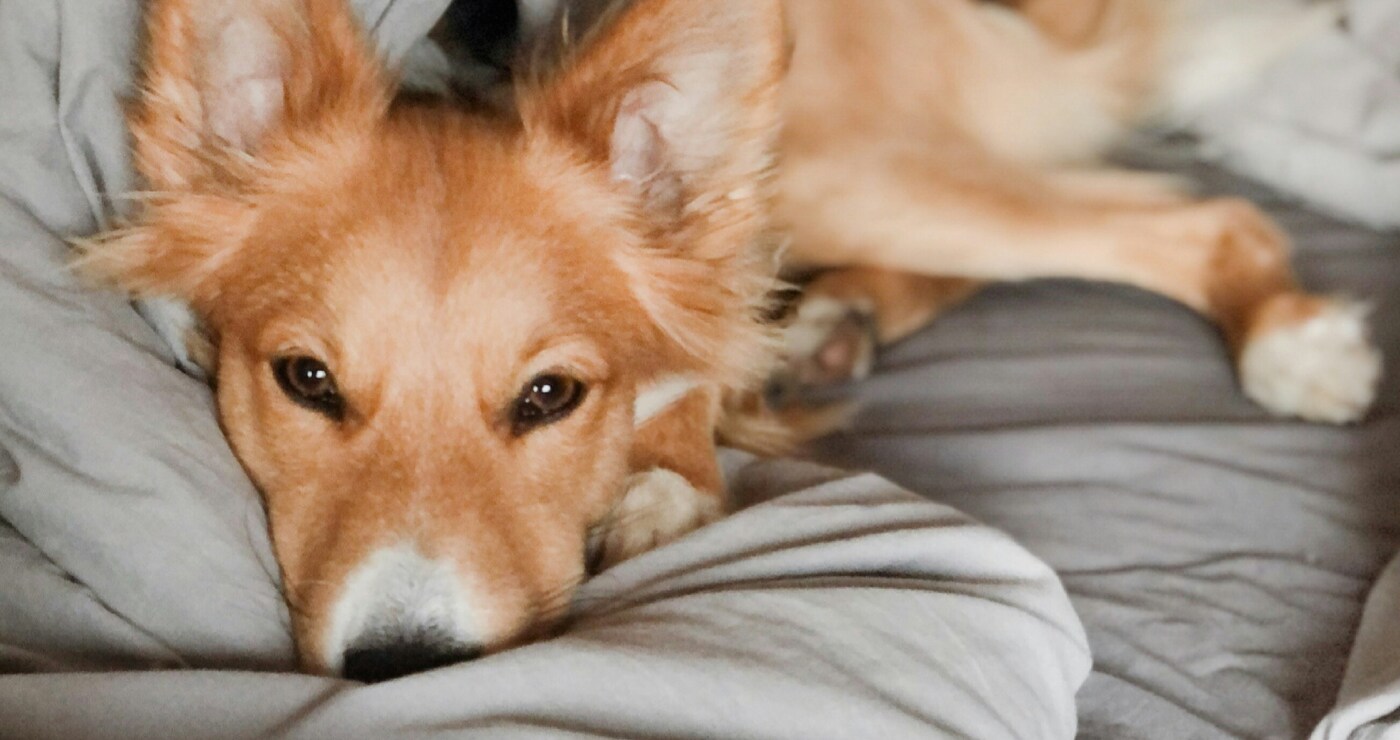
The suitcase by the door can be enough to make a dog notice that something is changing. For owners, that first separation can feel just as unsettling. A thoughtful first time dog boarding checklist gives you something more useful than vague reassurance: clear steps that help your dog arrive settled, understood and ready for a comfortable stay.
Boarding should not feel like leaving your dog in temporary containment. The right kennel provides a safe routine, proper exercise, warmth, supervision and people who take the time to learn what makes each guest comfortable. A little preparation at home makes a real difference to how confidently your dog settles in.
Start your first time dog boarding checklist early
The best time to choose boarding is before you urgently need it. Popular holiday periods can fill quickly, and an early enquiry gives you time to visit, ask questions and make a decision without pressure. If your dog is young, nervous, elderly or has never spent time away from you, allow extra time rather than booking the first available space.
A visit matters because photographs cannot show you how a kennel feels. Is it clean, calm and well organised? Are the dogs housed individually or with their own family members where appropriate? Can staff explain the exercise routine, supervision and what happens overnight? You should also be able to see where dogs rest and where they spend time outdoors.
For many dogs, a rural setting with room to walk and sniff can be particularly helpful. At Windmill Farm, dogs have heated accommodation, individual covered outdoor runs, indoor enrichment and twice-daily paddock walks across the farm setting, alongside 24-hour veterinary standby support. Practical details like these are worth looking for because they show how a boarding routine works in real life.
Ask how your dog's routine will be handled
No kennel can replicate home exactly, nor should it promise to. A well-run boarding stay has its own safe, consistent rhythm. What matters is whether the team will understand the parts of your dog's day that are important: meal times, food quantity, walks, medication, sleeping preferences and any worries around other dogs or unfamiliar people.
Be open about behaviour. A dog who barks when left, guards food, pulls strongly on the lead or becomes worried during thunderstorms is not a "bad" dog. It is useful information that allows the team to manage them safely and kindly. Hiding a concern can make the first few days harder for everyone, especially your dog.
Check health requirements before confirming
Every licensed boarding establishment has its own admission policy, so ask what vaccinations and records are required well before the stay. Your vet can advise on whether your dog's vaccinations and preventative treatments are current and suitable for boarding. If your dog has recently been unwell, has a contagious condition, or is recovering from surgery, discuss this honestly with both your vet and the boarding provider.
If medication is needed, establish whether staff can administer it, how it should be labelled and whether there is an additional charge. Give exact instructions in writing. It is also sensible to confirm which vet will be contacted in an emergency, how treatment decisions are handled and who is authorised to approve costs if you cannot be reached.
What to pack for dog boarding
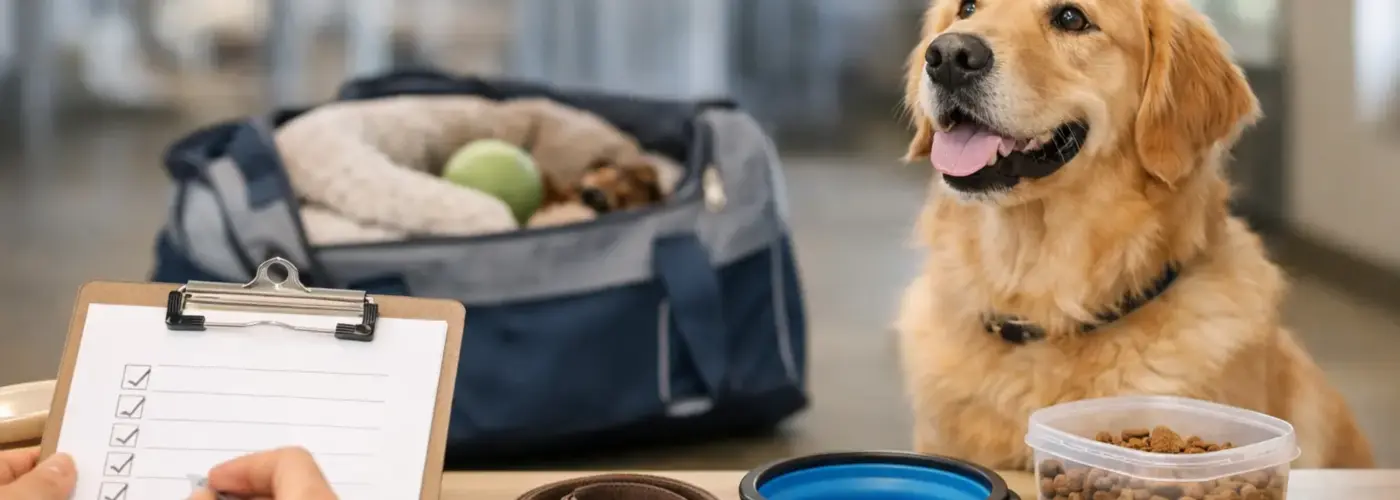
Packing too much can be as unhelpful as packing too little. Kennels need to keep belongings clean, safe and clearly identified, and some have restrictions on toys, bedding or personal items. Ask first, then label everything you bring with your surname and your dog's name.
For most stays, the essentials are straightforward:
- Enough of your dog's usual food for the full stay, plus a little extra in case travel plans change. Keep it in clearly labelled containers and include feeding amounts.
- Any medication in its original packaging, with written dosage instructions and your vet's details.
- A well-fitting collar or harness and lead, unless the kennel asks you not to leave them.
- Familiar bedding or a washable blanket, if the boarding provider accepts personal bedding and your dog finds it reassuring.
- Clear contact details for you and an emergency contact who can make decisions locally if needed.
- Relevant vaccination records or documents requested at booking.
Avoid sending treasured toys that would upset you if they were lost or damaged. Some dogs enjoy a familiar soft toy; others become possessive or overexcited around favourite items. The kennel staff can advise whether a comfort item is likely to help your individual dog.
Food deserves particular attention. A sudden change of diet can upset even a normally sturdy stomach, particularly when your dog is adjusting to a new place. Sending their regular food is often the simplest option. If the kennel provides food, ask what it is and introduce it gradually at home beforehand if that is appropriate for your dog.
Help your dog practise being away from you
Dogs do not need an elaborate preparation programme, but they benefit from ordinary confidence-building. Continue with regular walks, rest time and calm periods alone in the weeks before boarding. Try not to make every departure emotional or apologetic. Dogs often take their cue from the people they trust.
If your dog has never been away overnight, ask whether a shorter trial stay is available. One night can be useful for some dogs and owners, as it shows how they respond without committing to a longer holiday booking. It is not essential for every confident adult dog, but it can be a sensible choice for sensitive dogs, puppies that meet the kennel's age requirements, or owners feeling particularly anxious.
Keep up the normal routine on the day before travel. Do not give extra treats, change their food or tire them out with an unusually long walk in the hope that they will sleep through the experience. A relaxed, ordinary day is usually the better preparation.
The handover: calm, clear and unhurried
Aim to arrive on time and allow enough time for the handover. Staff may need to check documentation, confirm feeding instructions and ask a few final questions. Rushing at the gate can make you feel flustered and gives less opportunity to pass on useful information.
A short, cheerful goodbye is kinder than a prolonged farewell. Your dog may be alert or briefly uncertain as they take in new smells and sounds, but that does not mean they will remain distressed. Experienced carers will introduce them to their accommodation and routine in a measured way, giving them time to settle.
Before you leave, make sure the booking team has the best number to reach you on, your travel details if relevant, your emergency contact and permission arrangements for veterinary care. Tell them about anything that has changed since you booked, including a new medication, change in appetite or recent injury.
Know what good care looks like during the stay
The strongest reassurance comes from standards you can understand. Dogs need clean, secure accommodation, fresh water, appropriate meals, regular exercise and attentive observation. They also need opportunities to rest. Constant activity is not automatically better, particularly for older dogs or those who find busy environments overwhelming.
Ask how the kennel separates dogs for walks and exercise, how it handles wet weather, and what enrichment is available between walks. A covered run may allow a dog to choose fresh air without being exposed to the elements, while toys and calm interaction can make quieter parts of the day more interesting. For a sociable dog, seeing and hearing other dogs may be stimulating; for a more reserved dog, individual space may be the greater comfort.
It is reasonable to ask how updates are handled, but set expectations before you go. Some owners find a message or photograph reassuring, while others prefer to switch off and trust the arrangements they have carefully chosen. Neither approach is wrong. The point is to agree what helps you feel comfortable without disrupting the staff's care of the dogs.
When you collect your dog, they may be delighted to see you, tired from a different routine or keen for a long sleep at home. Give them a quiet evening, plenty of water and a return to their usual meals and walks. If you notice anything that concerns you, contact the kennel promptly so it can be discussed while the stay is fresh in everyone's mind.
Choosing boarding for the first time is an act of trust. Take the time to visit, share the honest details of your dog's needs and choose a place where care is visible in the daily routine. Then you can leave knowing your dog has more than a kennel space - they have a safe, well-managed holiday of their own.
Why Choose Windmill Farm?
Here at Windmill Farm we understand how much your pets mean to you and so we want you to be confident that choosing us to house your pets is the best decision. Your stay at Windmill Farm will benefit from...
- Very friendly, family run business
- Established for over 60 years
- Surrounded by 15 acres of land
- Nestled in the Surrey countryside
- Dog pick up and collection service
- 24 hour on-call veterinary services
- Covered outside runs and plenty of toys
- All kennels and catteries are fully heated