Do Kennels Administer Daily Medication Safely?
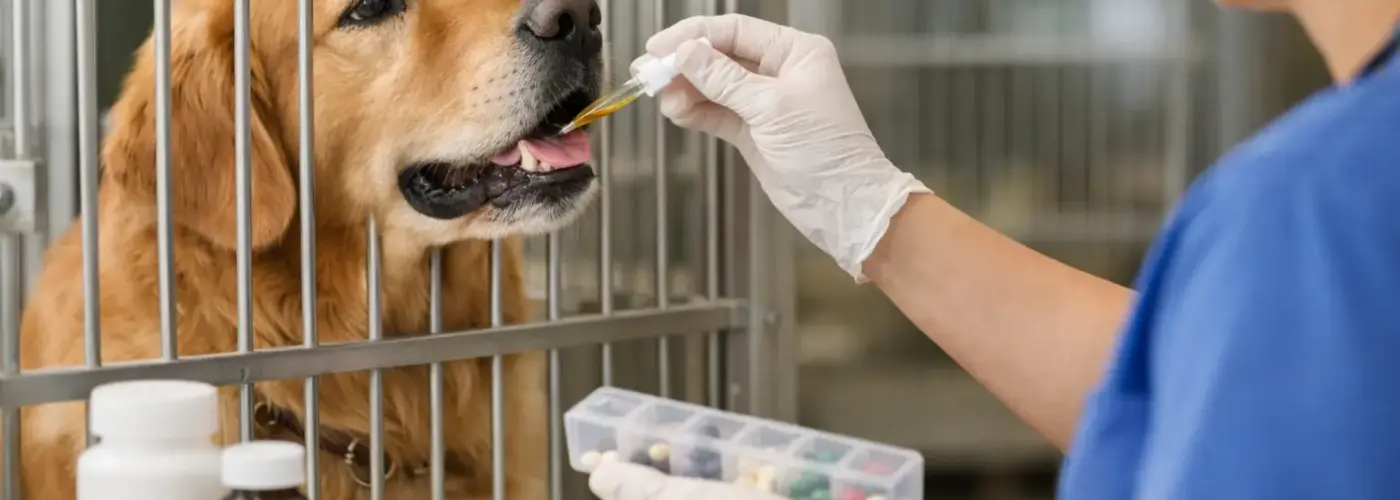
Leaving a pet who needs tablets, drops or another regular treatment can make time away feel more complicated. Do kennels administer daily medication? Many professional boarding kennels can do so, but it is never something to assume. The right arrangement depends on the medicine, your pet’s condition, the dosing routine and the kennel’s own procedures.
A good boarding provider will ask clear questions before confirming a stay. That protects your dog or cat, gives staff the information they need, and helps you travel knowing that their usual care has been properly planned.
Do Kennels Administer Daily Medication?
In many cases, yes. Kennel staff may be able to give routine oral tablets, capsules, liquids, eye drops, ear drops, topical treatments or prescribed supplements as part of a pet’s daily care. Medication is normally provided by the owner in its original packaging, with written instructions for the exact dose and timing.
However, daily medication is not one simple category. A tablet hidden in a small amount of food once a day is very different from an injectable medicine, a controlled drug, a treatment needing refrigeration, or medication given in response to changing symptoms. Some pets need a calm, experienced hand; others may need veterinary oversight. A responsible kennel will be open about what it can safely manage rather than agreeing to something outside its procedures or staff training.
That distinction is reassuring, not inconvenient. Clear limits are part of good welfare. If a provider cannot meet a medical need safely, it is better to know before your booking than during your holiday.
Start the Conversation Before You Book
Mention your pet’s medication at the enquiry stage, even if the treatment seems straightforward. Do not leave the conversation until drop-off, when staff are preparing for arrivals and you are trying to say goodbye.
Explain what the medicine is for, how it is given, how often it is needed and whether your pet usually accepts it willingly. Tell the kennel if doses must be spaced at a particular interval, given with food, kept chilled, or separated from another treatment. If your dog becomes worried around handling, or your cat refuses medicine from unfamiliar people, say so plainly. Those details can make a real difference to whether boarding is suitable and how the stay should be planned.
It is also sensible to discuss what should happen if a dose is missed, refused or brought back up. Your own vet may have specific advice for these situations. Kennel staff should not be expected to make clinical decisions that belong to a veterinary professional.
For pets with an ongoing condition, ask whether the kennel needs information from your vet, an emergency contact number, or written permission to seek treatment if required. These arrangements are particularly worthwhile for older pets and for animals managing conditions such as diabetes, heart disease, epilepsy, arthritis or allergies.
Routine medicines and more complex care
Routine treatments are often easier for a boarding kennel to accommodate when the pet is otherwise well and settled. Examples might include daily thyroid tablets, joint supplements, a short prescribed course of tablets, or regular ear treatment.
More complex needs call for a more detailed assessment. Injections, medicines with a narrow dosing window, treatments requiring close monitoring, recent changes in medication, or pets recovering from illness may need a different care arrangement. Sometimes boarding can still work with veterinary guidance. At other times, home-based care, a veterinary boarding service, or postponing the stay may be kinder and safer.
The key question is not simply, “Can you give medication?” It is, “Can you meet my pet’s particular needs consistently, calmly and safely?”
What to Bring for a Safe Medication Routine
Bring enough medication for the full stay, plus a small extra supply in case your return is delayed. Keep it in the original pharmacy-labelled container wherever possible. This helps staff identify the medicine correctly and check the prescribed instructions.
Provide a written medication sheet even if you have already discussed everything by phone or email. It should include your pet’s name, the medicine name, dose, times to be given, method of administration, any storage requirements and the reason for the treatment. Add your vet’s details and an emergency contact who can make decisions if you cannot be reached.
If your pet takes medication inside a particular food or treat, ask the kennel in advance whether this can be accommodated. A familiar method may help, but staff also need to consider dietary restrictions, food safety and the needs of other animals in their care. Never send loose tablets in an unlabelled bag or ask staff to rely on memory for a complicated timetable.
It can help to pack medication separately from your pet’s belongings in a clearly labelled bag. At check-in, take a moment to hand it directly to a member of staff and confirm the instructions together. This is a small step that can prevent misunderstandings.
How Good Kennels Keep Track of Doses
Reliable medication care is built on routine. Staff should have a clear system for recording each dose, including when it was due, when it was given and whether there were any concerns. A record helps maintain continuity between team members and provides a prompt if a pet has refused medication or shown a change in appetite, mood or behaviour.
Good communication matters just as much as the record itself. If a pet is reluctant to take a tablet, develops vomiting or diarrhoea, appears unusually quiet, or shows signs linked to their existing condition, the kennel should follow its agreed process and contact the owner or veterinary practice where needed.
For owners, it is reasonable to ask how medicines are stored and documented. You are not being difficult by asking. You are checking that the standards match the care your pet needs.
At Windmill Farm, pets benefit from an established, supervised boarding setting, with 24-hour veterinary standby support should a concern arise. If your dog or cat needs medication, raise it when making your enquiry so the team can discuss the individual arrangement before accepting the booking.
Consider the Whole Boarding Routine
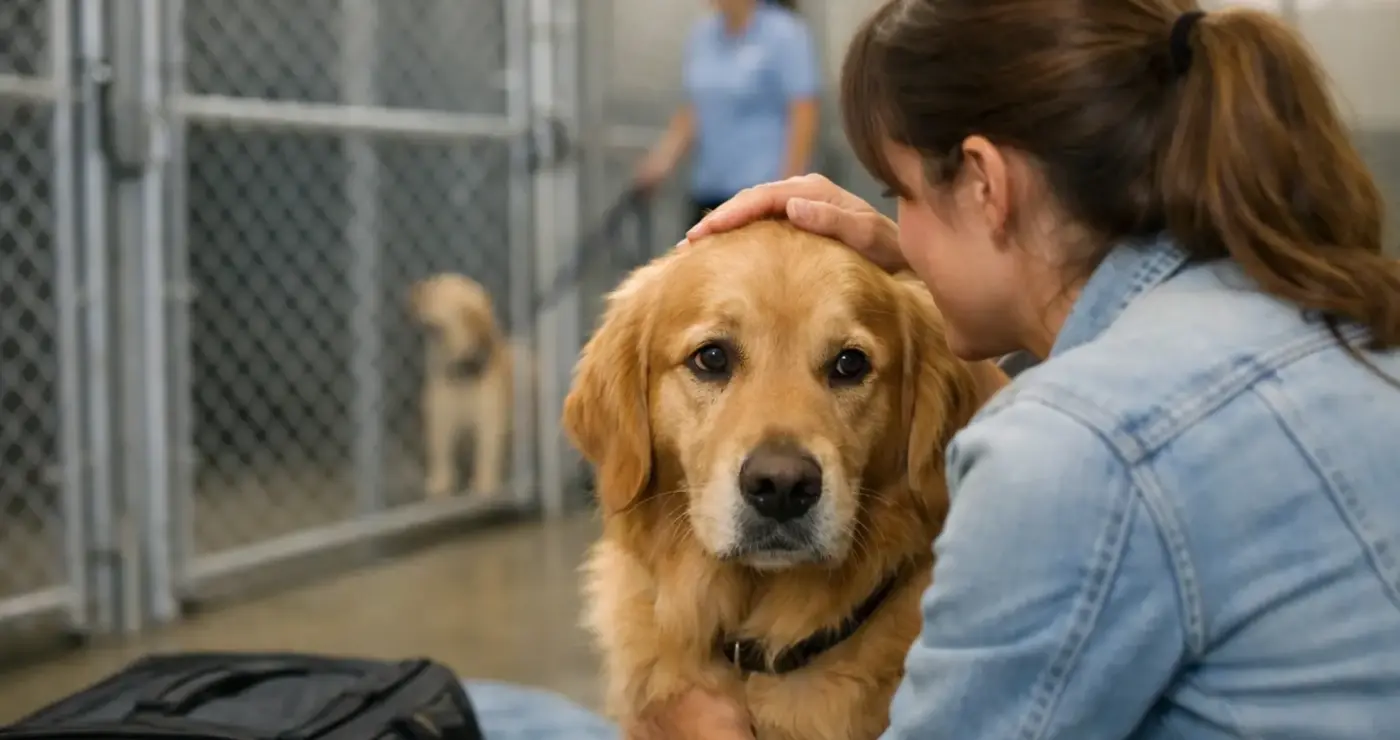
Medication is only one part of a comfortable stay. A pet who is well supported in every other respect is often more likely to settle and accept their normal routine. For dogs, familiar feeding times, individual rest space, gentle handling, exercise suited to their needs and opportunities to relax all matter. For cats, a quiet environment, privacy, warmth and a predictable daily rhythm can be especially helpful.
Be honest about whether your pet is likely to cope with boarding at that point in their health. A confident dog on stable medication may enjoy the stimulation of a well-managed kennel stay. A very anxious animal, or one whose condition is unstable, may find a change of setting more difficult. There is no single right answer, and the best decision is the one that puts welfare ahead of convenience.
A short trial stay can be useful for some pets, particularly first-time boarders. It allows staff to see how they settle, eat and respond to their medication routine before a longer holiday booking. It also gives you useful reassurance based on your own pet’s experience rather than guesswork.
Questions Worth Asking Before Drop-Off
Before choosing a kennel, ask whether staff can administer your pet’s specific medicine and at the times required. Check what written information they need, what happens if a dose is refused, and when they would contact you or a vet. If the medicine needs refrigeration or special handling, ask how it will be stored.
You may also want to ask whether there is an additional charge for medication administration. Fees can vary according to the complexity of the treatment and the time involved. A straightforward answer before booking is better for everyone.
Finally, make sure the kennel has your current contact details, your vet’s details and a signed plan for emergency treatment. Keep your phone available while you are away, especially in the first day or two, when a new environment can reveal how well your pet is settling.
A caring kennel should make medication arrangements feel organised rather than uncertain. Share the full picture early, provide clear instructions, and choose a setting that is honest about what it can safely offer. That gives your pet the best chance of a settled, well-supported stay while you are away.
Posted: 03rd September 2026
Why Choose Windmill Farm?
Here at Windmill Farm we understand how much your pets mean to you and so we want you to be confident that choosing us to house your pets is the best decision. Your stay at Windmill Farm will benefit from...
- Very friendly, family run business
- Established for over 60 years
- Surrounded by 15 acres of land
- Nestled in the Surrey countryside
- Dog pick up and collection service
- 24 hour on-call veterinary services
- Covered outside runs and plenty of toys
- All kennels and catteries are fully heated