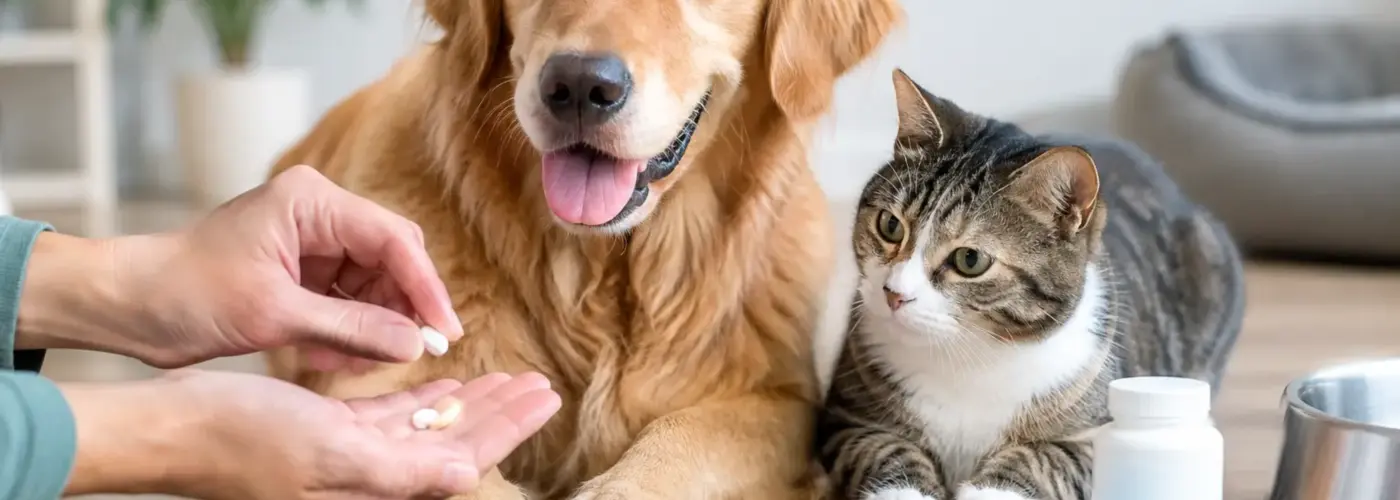
Boarding Medication Instructions for Pets
The suitcase may be by the door, but a pet’s medication is not something to pack at the last minute. Clear boarding medication instructions give kennel or cattery staff the information they need to keep a familiar treatment routine going safely while you are away. They also spare you the worry of trying to remember a tablet name or feeding detail from the airport.
For many pets, medication is a normal part of daily life. It may be a short course of treatment, regular pain relief, eye drops, skin care, or long-term medication for an ongoing condition. Good preparation helps the boarding team give your dog or cat the attention they deserve, while allowing them to settle into their stay with as little disruption as possible.
What to include in boarding medication instructions
Instructions should be written down, even if you have discussed them at drop-off. A busy departure can be emotional, and a written record makes sure everyone is working from the same plan. Use plain language and be as specific as you can.
Start with your pet’s name, the medication name, its strength, and the form it comes in, such as a tablet, liquid, capsule, cream, ear treatment or eye drops. State exactly how much should be given and at what time. “One tablet with breakfast” is helpful, but “one 50 mg tablet mixed into breakfast at 7.30 am” is clearer still.
Also explain how your pet normally accepts the medicine. Some dogs will happily take a tablet in their food, while others need it placed in a small amount of a particular treat. Cats can be especially particular about a changed food smell or texture. If medicine must not be given with food, or must be given after a meal, write that down clearly.
If there are any known side effects, previous reactions, or signs that mean the medication should be stopped and veterinary advice sought, include these too. This is not about expecting a problem. It is about ensuring staff have the right context if your pet seems out of sorts.
Prepare the medication properly before arrival
Bring all medication in its original packaging with the veterinary label attached. The label should show that it has been prescribed for your pet, along with dosage details and expiry information. Loose tablets in an unmarked bag, a decanted bottle or an old container create unnecessary uncertainty and may not be suitable for staff to administer.
Pack enough medication for the full stay, plus a little extra in case your return is delayed. Flights, traffic and unexpected changes happen, and a small reserve is far better than running short. Check expiry dates before you leave, particularly for liquid medicines, creams and treatments that have been open for some time.
Keep each medicine separate and clearly labelled. If your pet has several treatments at different times of day, a simple written schedule can be particularly useful. It should match the prescription label and any information you have provided to the boarding team.
Do not change the dose, timing or medication routine immediately before a stay unless your veterinary surgeon has advised it. A boarding period is usually not the ideal time to test whether a new tablet works better in a different food or at a different time of day. Familiarity supports a calmer stay.
Speak to the boarding team before booking
Medication needs are one of the reasons it is wise to discuss your pet’s stay in advance. Facilities have their own procedures, staffing arrangements and limits on the treatments they can accept. Some may be able to administer routine oral medication but need prior agreement for injections, complex wound care, controlled medicines, frequent monitoring or treatments requiring specialist handling.
Be open about your pet’s condition from the outset. It helps the team assess whether they can provide appropriate care and allows you to make arrangements with confidence. A reputable boarding provider would rather have a detailed conversation early on than discover a complicated requirement at the door.
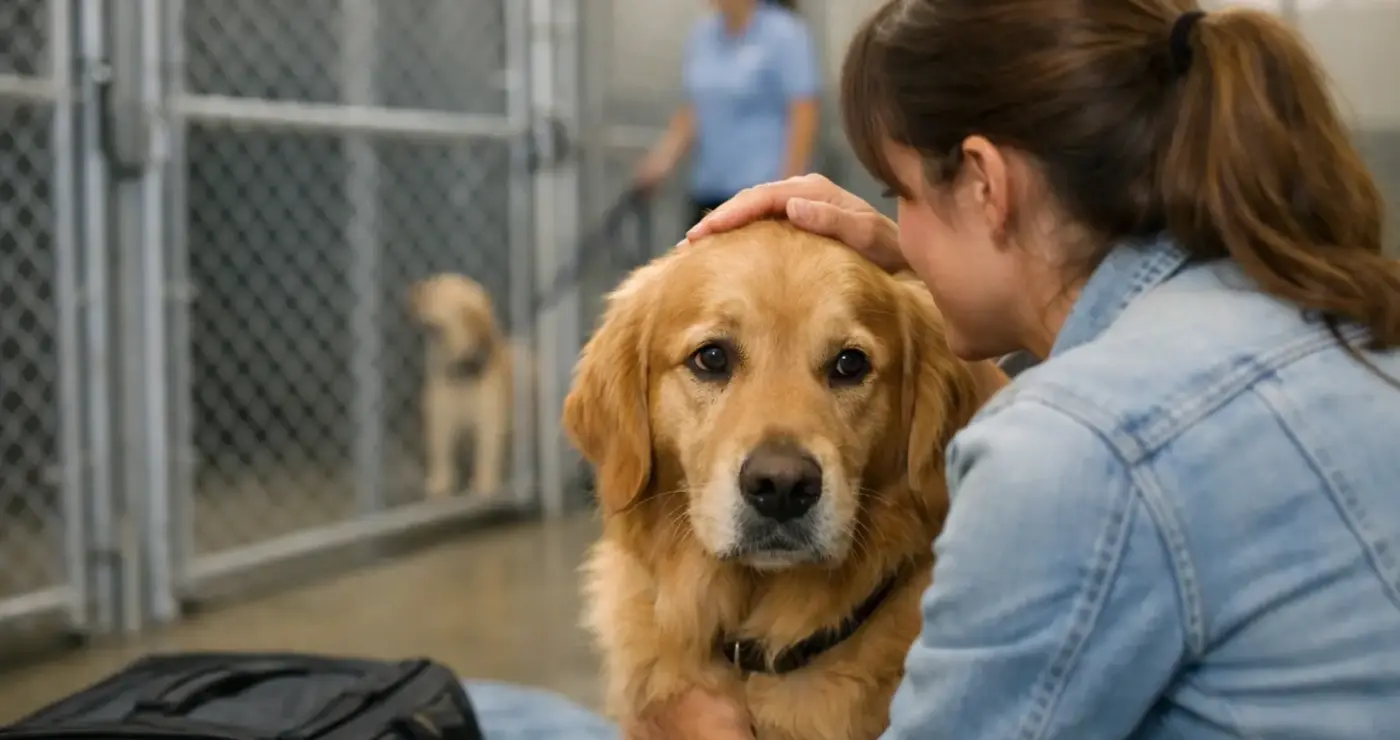
At Windmill Farm, care is built around individual routines as far as practical, alongside structured days that include comfortable accommodation, exercise and enrichment. Sharing medication requirements ahead of time helps staff plan your pet’s stay properly, rather than treating an important detail as an afterthought.
Give the full picture, not just the prescription
The medicine itself tells only part of the story. Include useful notes about your pet’s normal behaviour and routine. For example, does your dog need a quiet few minutes after medication? Does your cat hide when unfamiliar people enter the room? Is there a phrase, food or handling approach that makes treatment easier?
It is also sensible to share details of your usual veterinary practice, your pet’s medical history where relevant, and an emergency contact who can make decisions if you cannot be reached. Confirm what authority the boarding provider has to seek veterinary attention if they are concerned about your pet.
For pets with long-term conditions, ask your veterinary surgeon whether there are any specific boarding considerations. A stable, well-managed condition may be entirely compatible with a comfortable stay, but the answer depends on the medication, the pet’s needs and the level of observation required. Honest advice from both your vet and the boarding provider is the best foundation.
Be clear about “as needed” medication
“As needed” or occasional medication requires particularly careful instructions. Staff need to know what signs indicate that the medicine should be given, the minimum time between doses, the maximum amount permitted in a day, and when to contact a vet instead.
Avoid vague directions such as “give if uncomfortable”. Describe what discomfort usually looks like in your own pet, whether that is limping, persistent scratching, coughing, reluctance to eat or another recognised sign. If you are unsure how to write these instructions, ask your veterinary surgery to help clarify them before boarding.
Food, medication and routine during a stay
Medication often works best when paired with a settled routine. If your pet eats a particular diet, bring clear feeding instructions and enough food for the stay where appropriate. A dog who normally takes tablets in a spoonful of wet food, or a cat who accepts a liquid medicine only after eating, is more likely to manage well when that familiar pattern is maintained.
That said, boarding is different from home. New surroundings, different sounds and the excitement of other animals can temporarily affect appetite or behaviour. This is why staff need to know whether a missed meal, a delayed dose or a refusal of medication is significant for your pet. The correct response will depend on the prescription and veterinary guidance, not guesswork.
Never ask staff to disguise a medicine in a full bowl of food if your pet must receive the entire dose. If they leave some behind, it becomes impossible to know how much medication has been taken. A small, separate portion is often easier to monitor, provided it is suitable for your pet and consistent with veterinary advice.
Check everything at handover
When you arrive, take a moment to go through the medication with a member of staff. Show them the packaging, hand over your written instructions and mention anything that has changed since you booked. Perhaps your pet finished a course of antibiotics, started a new treatment, or had a recent check-up. Even small updates can matter.
Before you leave, make sure the team has the best contact number for you, an alternative contact, and your vet’s details. This is also a good time to ask how concerns are handled outside normal hours. Knowing that there is a clear process, with veterinary support available when needed, makes it easier to begin your own time away.
A well-prepared medication plan is one of the kindest things you can do for your pet before boarding. It gives the people caring for them the clarity to focus on what matters most: helping your dog or cat feel safe, comfortable and well looked after until you are back together.
Posted: 21st October 2026
Why Choose Windmill Farm?
Here at Windmill Farm we understand how much your pets mean to you and so we want you to be confident that choosing us to house your pets is the best decision. Your stay at Windmill Farm will benefit from...
- Very friendly, family run business
- Established for over 60 years
- Surrounded by 15 acres of land
- Nestled in the Surrey countryside
- Dog pick up and collection service
- 24 hour on-call veterinary services
- Covered outside runs and plenty of toys
- All kennels and catteries are fully heated