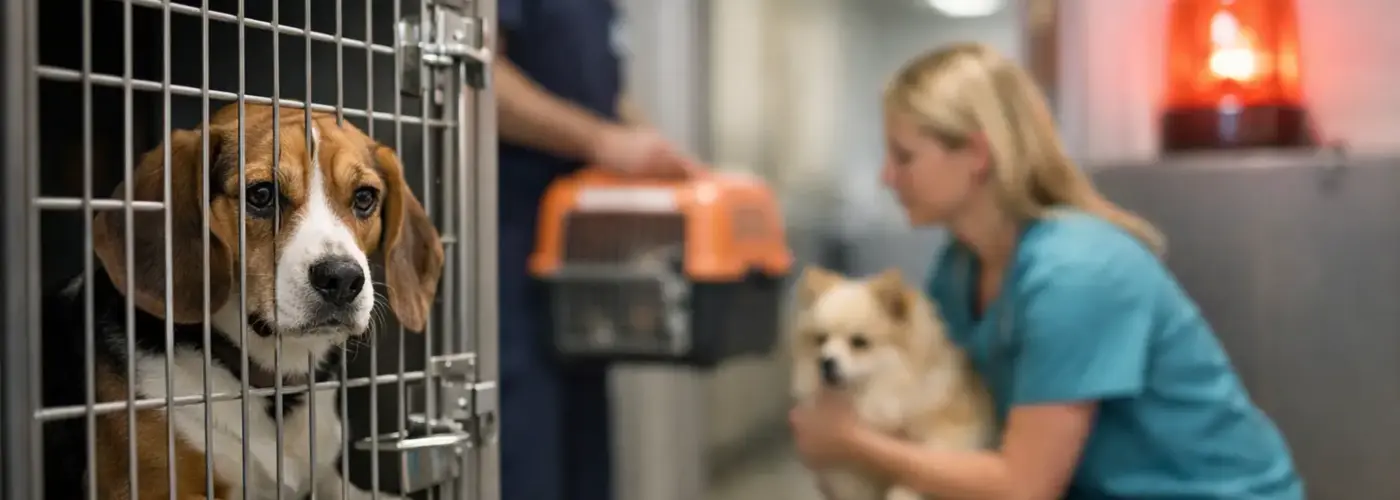
What Happens During Kennel Emergencies at Boarding?
A dog who seems a little quieter than usual, a cat that will not eat, or a sudden limp after exercise can feel worrying when you are away. Knowing what happens during kennel emergencies can make the decision to use boarding feel far less daunting. Good care is not about assuming every stay will be trouble-free. It is about having calm, practical people, clear routines and veterinary support ready when something does not look right.
At a well-run boarding establishment, staff know each pet well enough to spot a change. That familiarity matters. A pet’s appetite, energy, toileting, movement and general manner often say more than a single symptom, particularly with animals who may be unsettled during their first day or two away from home.
What happens during kennel emergencies?
The first priority is to assess the pet quickly and keep them safe. Staff will move a dog or cat away from activity if needed, make them comfortable and check what has changed. A minor concern may only need close observation, rest or a call to the owner. A more urgent issue requires prompt veterinary advice or treatment.
The right response depends on the situation. A dog with a small paw irritation after a walk is very different from one showing signs of breathing difficulty, repeated vomiting, collapse, severe pain or a suspected injury. Equally, a cat that skips one meal may simply be settling in, while a cat that is withdrawn, not drinking and showing other changes needs more immediate attention.
Experienced boarding staff do not try to diagnose everything themselves. Their role is to recognise when a pet needs help, provide sensible immediate care within their training, and contact a veterinary professional without delay when that is the appropriate next step.
Rapid checks and a calm environment
In an emergency, a busy or noisy setting is no help to an unwell animal. A responsible kennel will separate the pet from other animals where necessary, keep them warm and quiet, and monitor them while the next steps are arranged. This is especially valuable for nervous dogs and cats, who can become more distressed if they are surrounded by unfamiliar sounds and activity.
Staff should record what they have observed: when the change began, what the pet was doing beforehand, whether they have eaten or drunk, and any relevant medication or health history supplied by the owner. Those details help a vet make a better-informed decision.
When a vet is contacted
Veterinary advice may be sought by telephone first, particularly where symptoms are mild but unusual. In other cases, the pet will need to be seen promptly. A boarding provider should have a clear arrangement for veterinary support, including what happens outside ordinary opening hours.
At Windmill Farm, pets have 24-hour veterinary standby support. For owners, this means there is a route to professional advice if a concern arises during the day, overnight or at a weekend, rather than waiting until the next working morning.
If treatment is needed, the vet may advise a consultation, tests, medication, wound care or, in more serious cases, further treatment at the practice. The kennel team will follow the veterinary direction and continue to provide the day-to-day care the pet needs during recovery, such as quiet rest, prescribed medication and careful monitoring.
There are practical decisions involved. If an owner’s usual vet is nearby and available, that may be the preferred choice. If urgent treatment is required, however, the priority is normally the nearest suitable veterinary care. This is one reason accurate contact details and signed boarding paperwork are so valuable before a stay begins.
Keeping owners informed without causing unnecessary alarm
Most owners want to know straight away if their pet is unwell, and a good boarding team understands that. Staff should contact the named owner or emergency contact using the information provided at booking, explain what has happened in plain language and let them know what action is being taken.
Sometimes, a vet may recommend monitoring a minor issue rather than immediate treatment. The owner should still be told, especially if the concern affects the pet’s routine, appetite, exercise or comfort. Clear communication allows owners to ask questions and gives the boarding team a complete picture, including any past conditions that may be relevant.
There are occasions when staff must act before they can reach an owner. If a pet needs urgent veterinary attention, waiting for a return call would not be responsible. The boarding agreement usually allows the establishment to obtain necessary veterinary treatment in an emergency, with the owner updated as soon as possible.
This can be difficult to think about before a holiday, but it is a reassurance rather than a reason to worry. A team that knows it has permission to act can focus entirely on the animal in front of them.
Not every emergency is a medical one
Kennel emergencies can also involve the environment around the pets. Severe weather, a power interruption, a fire alarm or an unexpected facility issue all call for organised procedures. The key principles remain the same: secure every animal, maintain safe temperatures and ventilation, account for each pet, and follow an established plan.
Heated accommodation is particularly valuable in colder months, but heating is only one part of good preparation. Staff need to know where each animal is housed, have secure leads and carriers available, and be able to move pets safely should an area need to be cleared. Dogs should never be turned loose in a stressful situation, and cats require especially secure handling because they may hide or bolt when frightened.
A family-run boarding business with a consistent team has an advantage here. Familiar staff, familiar routines and well-maintained accommodation can reduce confusion when quick action is needed.
Prevention starts long before an emergency
The strongest emergency plan is paired with careful everyday care. Regular observation at feeding time, cleaning time and exercise is what helps staff spot small changes early. Structured routines also make changes easier to notice. If a lively dog does not greet staff as usual before their paddock walk, or a food-motivated cat leaves breakfast untouched, it is less likely to go unnoticed.
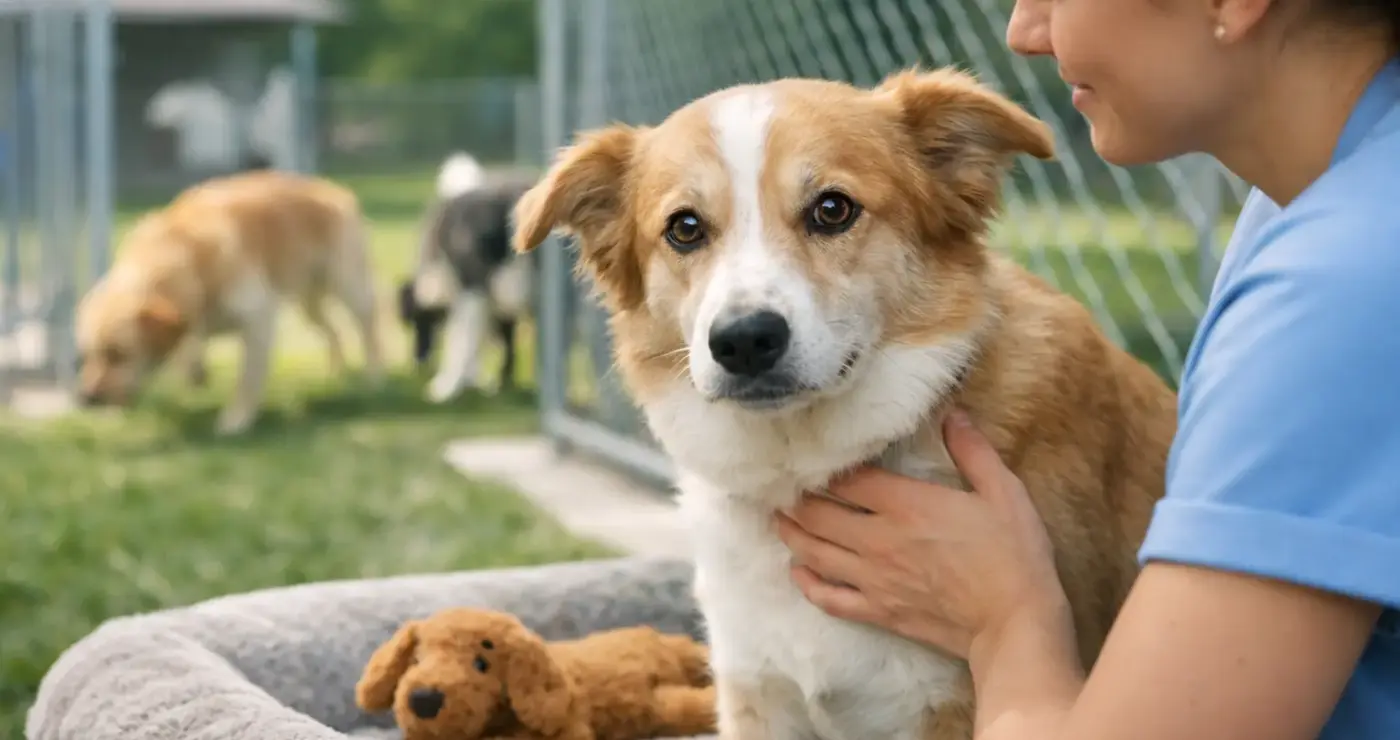
Individual covered runs, suitable exercise and indoor enrichment all play a part in welfare too. They allow dogs to have activity and fresh air without being mixed indiscriminately, while toys and calm handling can help prevent boredom and stress. These measures cannot remove every risk, but they support happier, more settled stays.
Vaccination requirements, parasite control, medication records and honest health information from owners matter just as much. Boarding staff can only work with the information they are given. Mention recent illness, a tendency to eat unsuitable objects, allergies, mobility concerns, anxiety triggers and any previous veterinary treatment, even if it seems minor.
What owners can do before boarding
Before your pet’s stay, make sure the boarding team has your current mobile number, an additional emergency contact and details of your regular vet. Explain your pet’s normal habits rather than simply listing diagnoses. For example, say whether your dog normally eats breakfast immediately, whether your cat hides around strangers, or whether a certain handling approach causes anxiety.
Bring medications in their original packaging with clear written instructions. It also helps to discuss what you would like the team to do if a vet recommends treatment while you are travelling. No one can predict every scenario, but these conversations remove uncertainty at the moment it matters.
For first-time boarders, arrange enough time before departure for staff to ask questions properly. The aim is not to make the process feel clinical. It is to give your pet the individual attention they deserve from their first meal and first walk onwards.
The best reassurance is a boarding team that is attentive on ordinary days as well as prepared for difficult ones. When your dog or cat is known as an individual, cared for in a safe routine and supported by a clear veterinary plan, you can leave for your trip knowing there are capable hands ready to respond if needed.
Posted: 07th September 2026
Why Choose Windmill Farm?
Here at Windmill Farm we understand how much your pets mean to you and so we want you to be confident that choosing us to house your pets is the best decision. Your stay at Windmill Farm will benefit from...
- Very friendly, family run business
- Established for over 60 years
- Surrounded by 15 acres of land
- Nestled in the Surrey countryside
- Dog pick up and collection service
- 24 hour on-call veterinary services
- Covered outside runs and plenty of toys
- All kennels and catteries are fully heated