
Dog Kennel Enrichment Activities That Matter
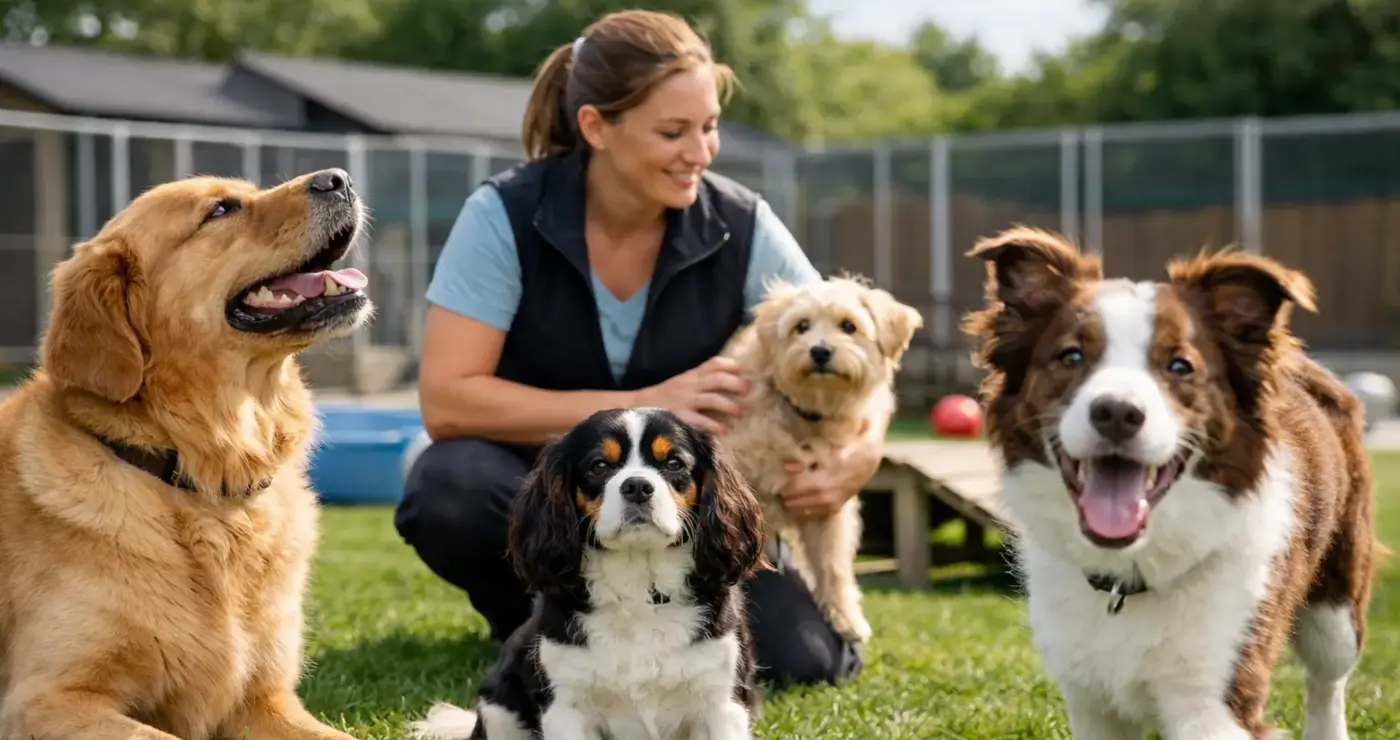
A kennel stay should not feel like a pause button being pressed on a dog’s life. For most dogs, familiar routines, chances to move, and calm human company make a real difference to how they settle away from home. Well-planned dog kennel enrichment activities provide those things, helping dogs use their minds and bodies while giving owners greater confidence that their companion is comfortable and cared for.
Enrichment is not about keeping a dog busy every minute of the day. A good boarding routine balances activity with rest, social contact with quiet time, and new experiences with the reassurance of predictable care. What suits a lively young spaniel may be very different from what helps an older terrier or a nervous rescue dog feel at ease.
What kennel enrichment really means
Dog enrichment is any positive activity that gives a dog an opportunity to explore, think, sniff, move, play or relax in a way that meets their individual needs. In a boarding environment, it is part of welfare rather than an optional extra. It helps turn accommodation into a safe, enjoyable place to stay.
The best dog kennel enrichment activities are built into the day. A dog may begin with a walk and time outdoors, return to a comfortable suite for breakfast and rest, then enjoy a toy or gentle interaction later on. This rhythm matters. Constant excitement can be tiring, particularly for dogs unused to kennels, while long periods with nothing to do can leave some dogs frustrated or unsettled.
For owners, it is worth asking not simply whether a kennel has toys, but how dogs are exercised, where they rest, whether activities are supervised, and how staff adapt the routine when a dog is shy, elderly or especially energetic.
Outdoor exercise gives dogs more than a toilet break
For many dogs, a proper walk is the highlight of the day. It offers a change of scene, a chance to stretch properly, and perhaps most importantly, time to investigate the smells around them. Sniffing may look unhurried to us, but it is valuable mental work for a dog.
Regular outdoor exercise also supports a calmer stay indoors. A dog that has had the opportunity to walk, sniff and move at their own pace is often more ready to settle afterwards. Twice-daily paddock walks, for example, give a clear and dependable structure to the day, rather than relying on brief turns in a run alone.
Individual covered outdoor runs still have an important role. They allow dogs access to fresh air and space associated with their own accommodation, without forcing contact with unfamiliar dogs. This is particularly reassuring for dogs that prefer their own company, are recovering from an injury, or simply need time to adjust to boarding.
Exercise should always be matched to the dog. A fit young dog may enjoy a more purposeful walk, whereas an older dog may benefit from gentle movement and plenty of time to sniff. In hot weather, a responsible routine may mean shorter walks at cooler times and more rest. Good care is not one-size-fits-all.
Toys and food puzzles keep the mind working
Indoor toys are useful because they offer dogs something familiar and rewarding between walks. Some dogs enjoy carrying a soft toy, others prefer a chew, and many are happiest investigating a food-based puzzle under supervision. These activities can encourage natural behaviours such as licking, chewing and problem-solving, all of which may help a dog settle.
There is a practical side to this in kennels. Toys need to be chosen carefully for the individual dog, checked regularly and kept clean. A toy that is suitable for one dog may not be suitable for another, especially where a dog is a powerful chewer or tends to guard possessions. Staff supervision and knowledge of each dog’s habits are more valuable than simply providing a large pile of toys.
Food enrichment also needs sensible planning. A small portion of a dog’s normal food can sometimes be used in a puzzle or scatter activity, but dietary needs come first. Dogs with sensitive stomachs, allergies or prescribed diets should not be given unfamiliar treats just because they are away from home. Consistency is often the kindest choice.
Human attention is an essential part of the routine
Dogs do not all want the same kind of interaction, but most benefit from calm, friendly contact with people who get to know them. A few kind words while meals are served, a gentle fuss for a dog who enjoys it, or a quiet moment alongside a worried newcomer can help build trust.
This is one reason a well-staffed boarding kennel is so different from simple containment. Attentive carers notice changes: a dog that normally races out for a walk but seems reluctant, a dog that has gone off food, or one that is becoming more relaxed each day. They can then adjust the approach and, where necessary, seek veterinary advice.
At Windmill Farm, the emphasis is on structured care alongside personal attention. Heated accommodation, individual outdoor runs, indoor enrichment toys and regular paddock walks all work together, but it is the people delivering that routine who make it feel reassuring to each dog.
A quiet place to rest is enrichment too
It can be tempting to think enrichment always has to be active. In fact, one of the most valuable things a boarding kennel can offer is a secure, comfortable place where a dog can switch off. Holidays away from home can be stimulating, and dogs need time to process new sights, sounds and smells.
A clean, heated suite helps dogs rest comfortably, especially during colder months. Predictable mealtimes and walking times also help them learn what to expect. For a nervous dog, that certainty can be more helpful than introducing lots of new games straight away.
Some dogs settle best with familiar items from home, if the kennel permits them and they are safe to leave. A blanket carrying the scent of home may be comforting. Others become more unsettled by belongings they cannot keep close, so this is something to discuss honestly with the boarding team before the stay.
How enrichment is adapted for different dogs
Age, health, breed tendencies and personality all matter. Puppies and adolescent dogs often need plenty of suitable activity, but they also require boundaries and enough sleep. Mature dogs may prefer a calmer pace. Dogs with medical conditions may need their exercise restricted or altered, while dogs who are wary of strangers need patience rather than pressure.
Social play with other dogs is not automatically the answer. Some dogs enjoy carefully managed canine company, but many are happier exercising separately. A professional kennel should never assume that every dog wants to mix, particularly when they are in an unfamiliar environment. Individual walks and accommodation can reduce stress and prevent avoidable conflict.
Before boarding, share as much useful information as possible. Mention your dog’s normal routine, food preferences, medication, favourite toys, fears, sleeping habits and the kind of handling they enjoy. If they dislike thunder, react to bicycles, or become anxious around other dogs, say so. Clear information allows carers to plan a stay around the dog in front of them, not an assumption based on breed or size.
Signs a dog is settling well
No dog behaves exactly as they do at home during the first day or two of boarding. A little adjustment is normal. However, a settled dog will usually begin to eat well, rest between activities, show interest in walks or toys, and greet familiar staff with increasing ease.
Experienced carers will also keep an eye on signs that a dog needs additional support, such as persistent pacing, refusing food, repeated barking, diarrhoea or unusual withdrawal. These signs do not always mean something serious, but they should be noticed and responded to promptly. The availability of veterinary support adds an extra layer of reassurance should a concern arise.
Choosing a kennel with meaningful enrichment
When visiting or enquiring with a boarding kennel, look beyond polished photographs. Ask how often dogs are walked, whether exercise is individual or shared, what happens during poor weather, and how much time staff spend observing each dog. Find out whether accommodation is warm, whether outdoor space is secure, and how the team manages special diets or medication.
It is also reasonable to ask how a first-time boarder is helped to settle. The answer should feel practical rather than vague: a clear daily routine, staff who monitor behaviour, appropriate quiet time, and a willingness to adapt where possible. An established kennel should be able to explain its standards plainly.
Leaving a dog while you travel is rarely completely worry-free, especially the first time. Choosing a boarding stay with thoughtful activity, comfortable rest and observant care gives your dog more than somewhere to wait. It gives them a routine of their own, and you the comfort of knowing their days are being filled with care as well as time.
Why Choose Windmill Farm?
Here at Windmill Farm we understand how much your pets mean to you and so we want you to be confident that choosing us to house your pets is the best decision. Your stay at Windmill Farm will benefit from...
- Very friendly, family run business
- Established for over 60 years
- Surrounded by 15 acres of land
- Nestled in the Surrey countryside
- Dog pick up and collection service
- 24 hour on-call veterinary services
- Covered outside runs and plenty of toys
- All kennels and catteries are fully heated