
What Good Pet Boarding Looks Like for Pets
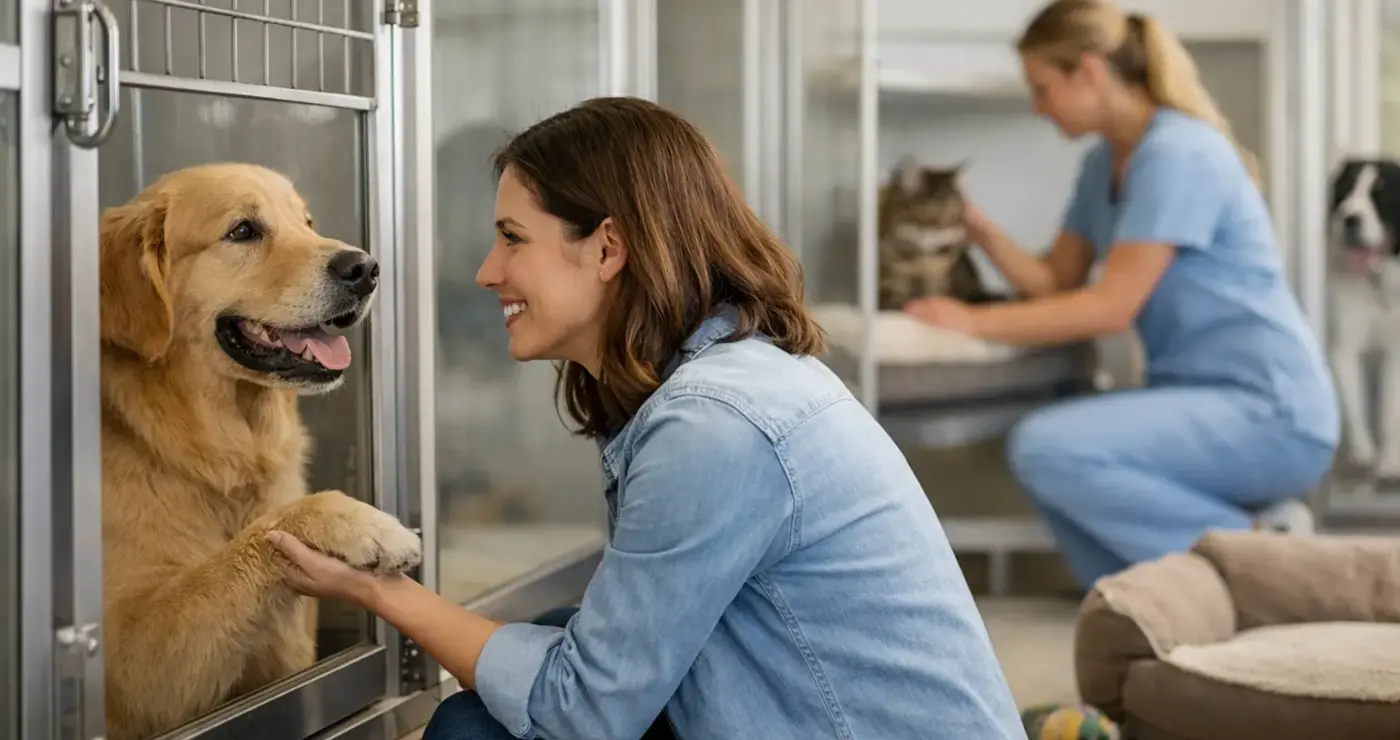
Leaving a much-loved dog or cat behind can make even an exciting holiday feel uneasy. Good pet boarding should do more than provide a secure place to sleep. It should give your pet a settled routine, kind attention, suitable exercise and a comfortable space where their individual needs are noticed.
For owners around Coulsdon, Caterham and Old Coulsdon, the right choice often comes down to a simple question: would this feel like a well-managed stay for my pet, rather than somewhere they are simply kept until I return? Looking beyond the photographs and finding out how a boarding routine actually works can make that decision far easier.
Pet Boarding Should Feel Safe, Structured and Personal
A professional boarding stay is different from asking a friend or neighbour to call in. For some pets, home visits are perfectly suitable, particularly independent cats who are relaxed in familiar surroundings. For many dogs, however, a dedicated kennel offers supervision, reliable feeding, regular exercise and a consistent daily pattern while their family is away.
The same principle applies to cats, although their needs are different. Cats generally value peace, warmth and a quiet private space more than a busy social environment. A good cattery should therefore feel calm and clean, with comfortable accommodation and attentive staff who can spot changes in appetite, behaviour or toileting.
Routine matters because pets do not understand that a holiday has an end date. A predictable day helps them settle. They learn when meals arrive, when walks happen, when their accommodation is cleaned and when staff come to spend time with them. That familiarity can be especially reassuring for young dogs, older pets and animals who have not boarded before.
What to Look for When Choosing Pet Boarding
The best way to judge a boarding provider is to ask practical questions. A warm welcome matters, but so do the details behind it: how accommodation is maintained, who is responsible for the animals each day, and what happens if a pet becomes unwell.
Comfortable accommodation in every season
Pets need somewhere dry, secure and appropriately heated when the weather turns cold. For dogs, individual sleeping areas and covered outdoor runs allow fresh air and space without relying on constant contact with unfamiliar dogs. This can be a much better arrangement for pets who are sociable with people but prefer their own room.
For cats, warmth and cleanliness are essential, along with enough room to rest, eat and use the litter tray comfortably. Ask whether accommodation is designed to reduce stress, particularly if your cat is shy or easily startled. A quiet suite with regular gentle attention is often more valuable than lots of activity.
Exercise that is more than a quick toilet break
Dogs need opportunities to move, sniff and enjoy themselves. A short walk may suit a very elderly dog or one with veterinary restrictions, but most healthy dogs benefit from proper exercise as part of their boarding day.
Look for a provider that can explain where dogs are walked, how often this happens and how they are supervised. Twice-daily paddock walks give dogs a valuable chance to stretch their legs and explore, while individual arrangements help prevent unnecessary stress or overexcitement. The amount and type of exercise should always depend on your dog’s age, health, breed and usual routine.
A lively young spaniel and a senior terrier should not automatically receive exactly the same day. Thoughtful pet boarding takes those differences seriously.
Enrichment and human attention
A pet can be physically safe yet still bored. Enrichment helps make a stay more enjoyable by giving animals something appropriate to investigate, play with or settle around. For dogs, this might include indoor toys, varied walks and time with attentive carers. For cats, quiet play, places to rest and gentle interaction often work best.
This is not about keeping every pet constantly busy. Some animals are happiest with a calm routine and a cosy bed. Others need more engagement to feel content. Experienced staff will take their lead from the animal in front of them, rather than treating every guest in the same way.
Clear health and emergency arrangements
No owner wants to think about illness while away, but this is one of the most important questions to ask. Find out how medication is managed, how staff monitor pets’ wellbeing and what veterinary support is available should an urgent concern arise.
A responsible boarding establishment should have clear procedures and access to veterinary help. At Windmill Farm, 24-hour veterinary standby support sits alongside daily supervision, so owners know there is a plan should a pet need prompt professional attention. It is practical reassurance, not a replacement for the attention pets receive from their usual vet before they arrive.
A First Stay Can Be Easier Than You Expect
First-time boarders often worry that their pet will feel abandoned or fail to settle. It is a natural concern, especially when a dog normally sleeps beside the family or a cat has rarely spent time away from home. Yet many animals adjust well once they understand the rhythm of their new surroundings.
Your own preparation can help. Keep the drop-off calm and matter-of-fact, rather than turning it into a long goodbye. Provide accurate feeding instructions, medication details and any useful notes about your pet’s personality. Mention if your dog is nervous around loud noises, if your cat has a favourite way of being approached, or if either pet has a sensitive tummy.
It also helps to maintain familiar food where possible. Sudden dietary changes can upset even a confident pet, particularly when they are adapting to a new environment. Clear information gives carers the best chance to keep their routine close to what they know.
For dogs, regular boarding can become easier over time. Once they recognise the setting, staff and daily pattern, many arrive with far more confidence. For cats, shorter stays can be a useful introduction before a longer holiday booking, if this suits your plans.
Why Visiting Matters Before You Book
A visit will tell you more than a brochure ever can. You should be able to see whether the surroundings feel clean, orderly and well cared for, as well as whether staff answer questions openly. Look at the condition of the accommodation, the space available for dogs to exercise and the general manner of the team with the animals in their care.
Do not be embarrassed to ask direct questions. How are dogs grouped or kept apart? Can a pet follow a special feeding plan? What happens during very hot or cold weather? Are cats housed away from dogs? How are arrival and collection times managed? The answers should be straightforward and specific.
Heritage can be reassuring too, provided it is backed by present-day standards. A long-established family business has usually seen a wide range of pets, temperaments and situations. At the same time, good boarding never stands still. Well-maintained suites, fresh facilities and thoughtful enrichment show that a provider is continuing to invest in animal welfare rather than relying on its history alone.
Choosing What Suits Your Pet, Not Just Your Diary
There is no single right arrangement for every animal. A confident, active dog may thrive with regular paddock walks and a structured kennel routine. A quiet cat may be happiest in a warm, peaceful cattery with gentle daily care. A pet with complex medical needs may need a conversation with both the boarding provider and their vet before any stay is arranged.
The most useful booking decision is made early, before popular holiday dates become busy. It gives you time to visit, ask questions and share the details that help staff get to know your pet. When you leave knowing where they will sleep, how they will spend their day and who will be watching over them, time away from home can feel more comfortable for both of you.
A good boarding stay should let you travel with confidence and allow your pet to return home relaxed, well cared for and ready to tell you, in their own way, that they have had a holiday too.
Why Choose Windmill Farm?
Here at Windmill Farm we understand how much your pets mean to you and so we want you to be confident that choosing us to house your pets is the best decision. Your stay at Windmill Farm will benefit from...
- Very friendly, family run business
- Established for over 60 years
- Surrounded by 15 acres of land
- Nestled in the Surrey countryside
- Dog pick up and collection service
- 24 hour on-call veterinary services
- Covered outside runs and plenty of toys
- All kennels and catteries are fully heated