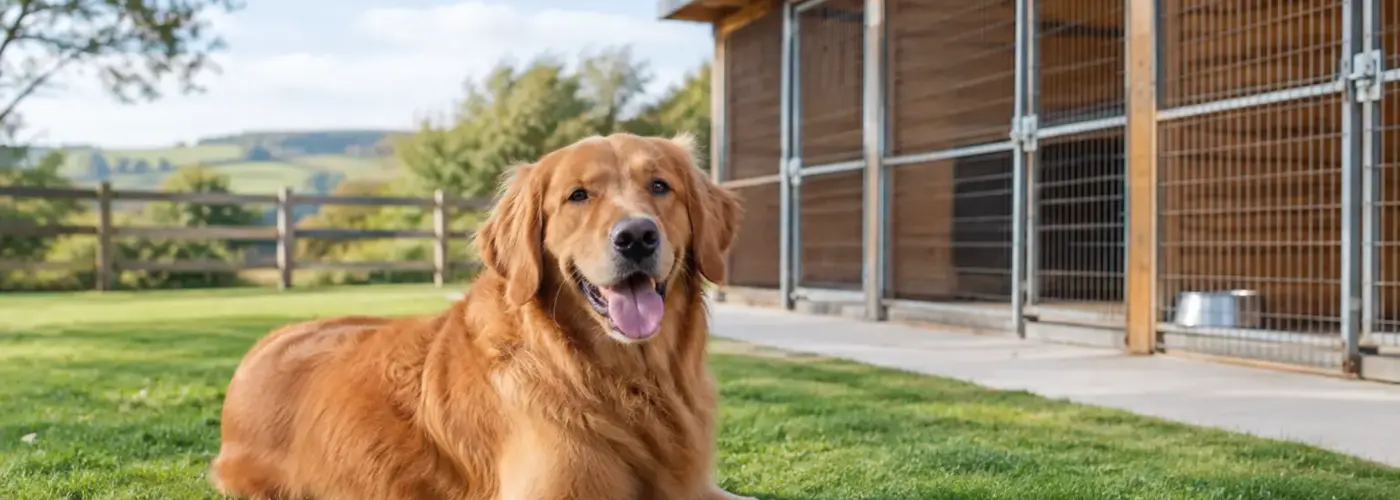
Top Features of Rural Kennels for Happy Dogs
Leaving a dog behind when you go away is rarely a simple practical task. You want to know they will be warm at night, properly exercised during the day and treated as an individual rather than simply given a space to wait in. The top features of rural kennels are the details that turn boarding from temporary accommodation into a safe, enjoyable stay for your dog.
A countryside setting can offer valuable space and fresh air, but location alone is not a measure of quality. The best rural kennels combine their outdoor surroundings with clear routines, secure accommodation, attentive people and a plan for every dog's comfort. Here is what to look for before booking.
Space to exercise, not just space on a map
Rural kennels often have an advantage that is immediately obvious: room. For a dog used to daily walks, time outdoors can make a meaningful difference to how settled they feel during a boarding stay. However, a large site is only helpful when dogs are given regular, supervised opportunities to use it.
Ask how often dogs are walked, where they are exercised and whether those walks are included as part of the normal routine. A secure paddock is particularly reassuring, as it provides a controlled setting away from roads and unfamiliar dogs. Twice-daily paddock walks, for example, give dogs a dependable rhythm to their day and a chance to stretch their legs, sniff, explore and enjoy a change of scene.
The right amount of exercise will depend on the dog. A lively young spaniel may need a different pace from an older terrier or a dog recovering from a minor illness. A good kennel will listen to what your dog is used to and explain how it can accommodate sensible individual needs, rather than promising the same experience for every animal.
Comfortable, weatherproof accommodation
Countryside boarding should never mean dogs are expected to put up with cold, damp or draughty conditions. Heated accommodation is one of the most important features to check, especially for winter stays, older dogs, short-coated breeds and dogs who simply prefer their home comforts.
Look for clean indoor sleeping areas with enough room for a dog to rest comfortably. Individual covered outdoor runs are also valuable. They allow dogs to have access to fresh air and their own outside space while still offering shelter from rain, strong sun and poor weather.
It is worth asking what happens overnight and during very hot or cold spells. The answer should be straightforward: your dog should have a secure, comfortable place to sleep and staff should have procedures that protect their welfare in changing conditions. Fresh, well-maintained facilities matter, but daily cleanliness and careful observation matter just as much.
A setting that supports calm routines
Some dogs settle quickly in a kennel environment; others need time to understand the new sounds, smells and routines. A rural location can feel less hectic than a built-up setting, with more open space and fewer nearby distractions. That can be helpful for nervous dogs, provided the boarding team takes introductions at the dog's pace.
Calm does not mean isolation. Dogs benefit from seeing people regularly, having a predictable schedule and receiving kind, confident handling. If your dog is shy, excitable or has never boarded before, tell the kennel team before you book. Honest information gives them the best chance to make the first few days feel manageable.
Personal attention from experienced staff
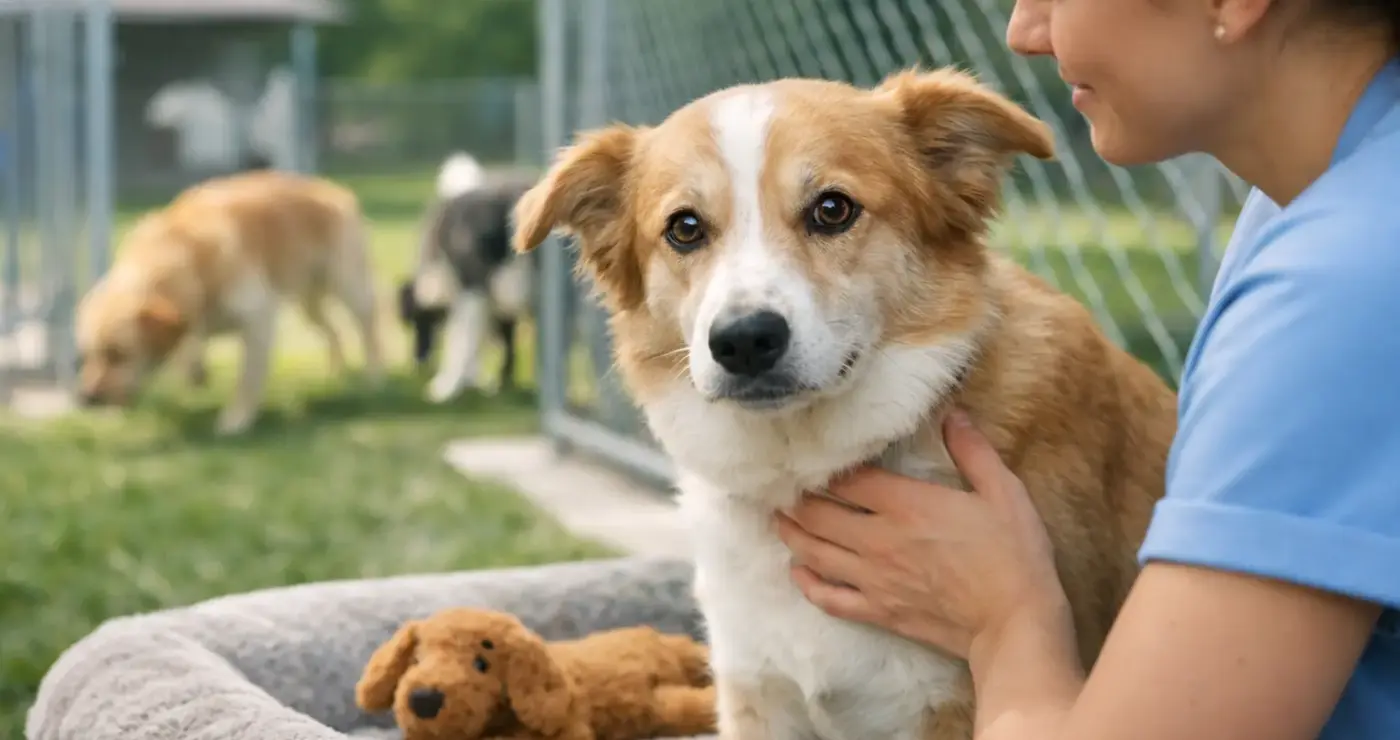
No facility feature can replace people who notice the small things. An attentive boarding team will recognise when a dog has eaten less than usual, is reluctant to go out, seems unsettled or simply needs a little reassurance. They should also take time to understand feeding instructions, medication requirements, favourite toys and the habits that help your dog relax.
This is where family-run kennels can feel especially reassuring. Continuity matters when you are trusting others with a much-loved pet. Owners often value seeing familiar staff, speaking to people who know the facility well and feeling that their dog's stay is not being managed at arm's length.
Windmill Farm has built its approach around this balance of personal care and organised routines. Founded more than 60 years ago by a member of the Crufts family, the farm combines that long-standing canine heritage with updated suites, outdoor exercise space and thoughtful day-to-day care.
Before confirming a stay, ask whether you can discuss your dog's needs in advance. This is particularly useful for young dogs, nervous dogs, elderly pets and those on a specific diet. The best conversations are practical rather than vague: when does your dog eat, what food will they have, what medication is needed, and what helps them feel at ease?
Enrichment that gives dogs something to do
A boarding stay should include more than meals, cleaning and walks. Dogs also need interest and gentle mental stimulation between exercise sessions. Indoor enrichment toys can help keep dogs occupied, encourage natural curiosity and make quieter parts of the day more enjoyable.
Enrichment is not about keeping every dog constantly busy. Some dogs would rather settle with a familiar blanket after their walk, while others enjoy a toy or a little more interaction. What matters is that the team sees dogs as individuals with different energy levels and preferences.
When comparing kennels, ask how dogs spend time outside their walks. A thoughtful answer will cover rest, observation, enrichment and interaction, rather than only the practical basics. For many owners, this is one of the clearest signs that a kennel regards boarding as a holiday experience, not simply containment.
Safety measures you can rely on
A peaceful farm setting still needs professional safety standards. Secure gates, individual accommodation, controlled exercise areas and careful handling procedures all protect dogs while they are away from home. These practical measures should sit behind every part of the daily routine, even if they are not the first thing your dog notices.
Veterinary arrangements are equally important. Ask what the kennel does if your dog becomes unwell, how medication is managed and whether veterinary support is available outside normal hours. Twenty-four-hour veterinary standby cover offers valuable reassurance, particularly if you are travelling abroad or may be difficult to reach for a period.
It also helps to understand the kennel's expectations before arrival. Vaccination requirements, health checks and collection arrangements are there to protect all animals on site. A professional team will explain these clearly and will not make you feel awkward for asking questions.
Security should include emotional wellbeing
Safety is not only about locks, fencing and paperwork. Dogs are more likely to feel secure when their days follow a familiar pattern: meals at consistent times, regular walks, a clean resting area and calm contact with staff. Routine reduces uncertainty, which is especially useful for pets who have not stayed away from home before.
A short trial stay can be a sensible option for a particularly anxious dog, if the kennel offers one. It gives the dog a chance to become familiar with the sights, sounds and people before a longer holiday booking. This will not suit every dog or every timetable, but it can make a real difference for first-time boarders.
What to ask when choosing a rural kennel
A visit or conversation should leave you with a clear picture of your dog's day. You do not need a lengthy checklist, but you should be comfortable asking about accommodation, exercise, meals, enrichment, medication and veterinary support. Notice whether the answers are specific and whether staff ask useful questions about your dog in return.
It is also reasonable to ask how the kennel handles special circumstances. Can dogs from the same household stay near one another? What arrangements are made for older dogs? How are owners contacted if there is a concern? There will not be one perfect answer for every pet, but a good boarding provider will be open about what it can and cannot offer.
For owners in Coulsdon, Croydon, Purley, Caterham and Old Coulsdon, choosing a nearby countryside kennel can make drop-off and collection easier while still giving dogs the benefit of a more spacious setting. Convenience is useful, but peace of mind comes from knowing the care behind the setting is sound.
The right kennel should leave you feeling able to go away without constant worry. Take time to ask the practical questions, share what makes your dog tick and choose a place where comfort, exercise and kind attention are part of every ordinary day.
Posted: 06th November 2026
Why Choose Windmill Farm?
Here at Windmill Farm we understand how much your pets mean to you and so we want you to be confident that choosing us to house your pets is the best decision. Your stay at Windmill Farm will benefit from...
- Very friendly, family run business
- Established for over 60 years
- Surrounded by 15 acres of land
- Nestled in the Surrey countryside
- Dog pick up and collection service
- 24 hour on-call veterinary services
- Covered outside runs and plenty of toys
- All kennels and catteries are fully heated


