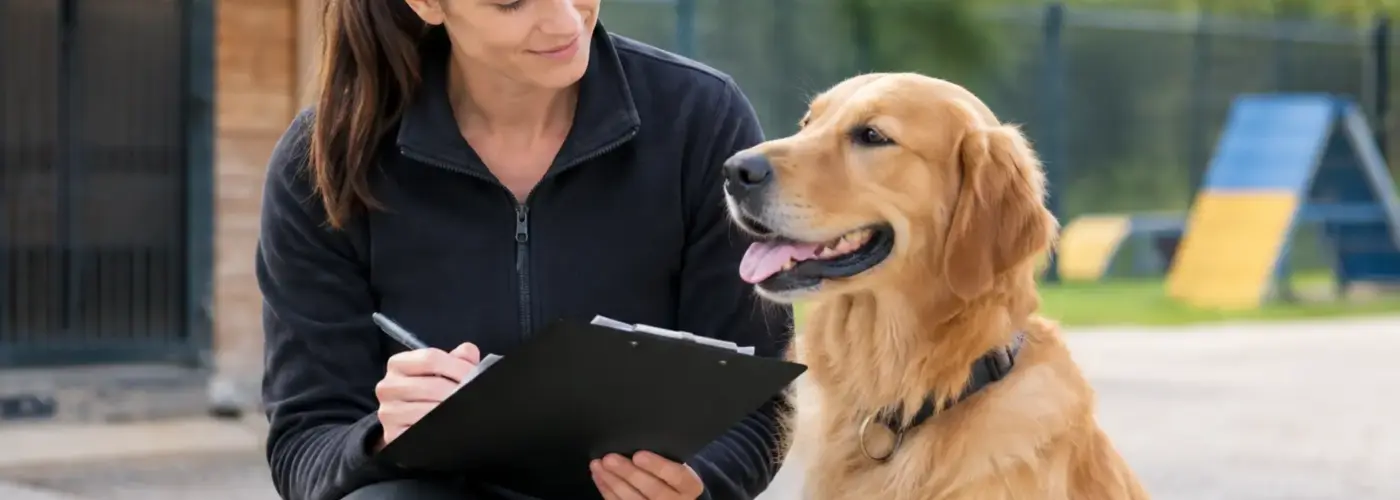
How to Schedule a Kennel Trial With Confidence
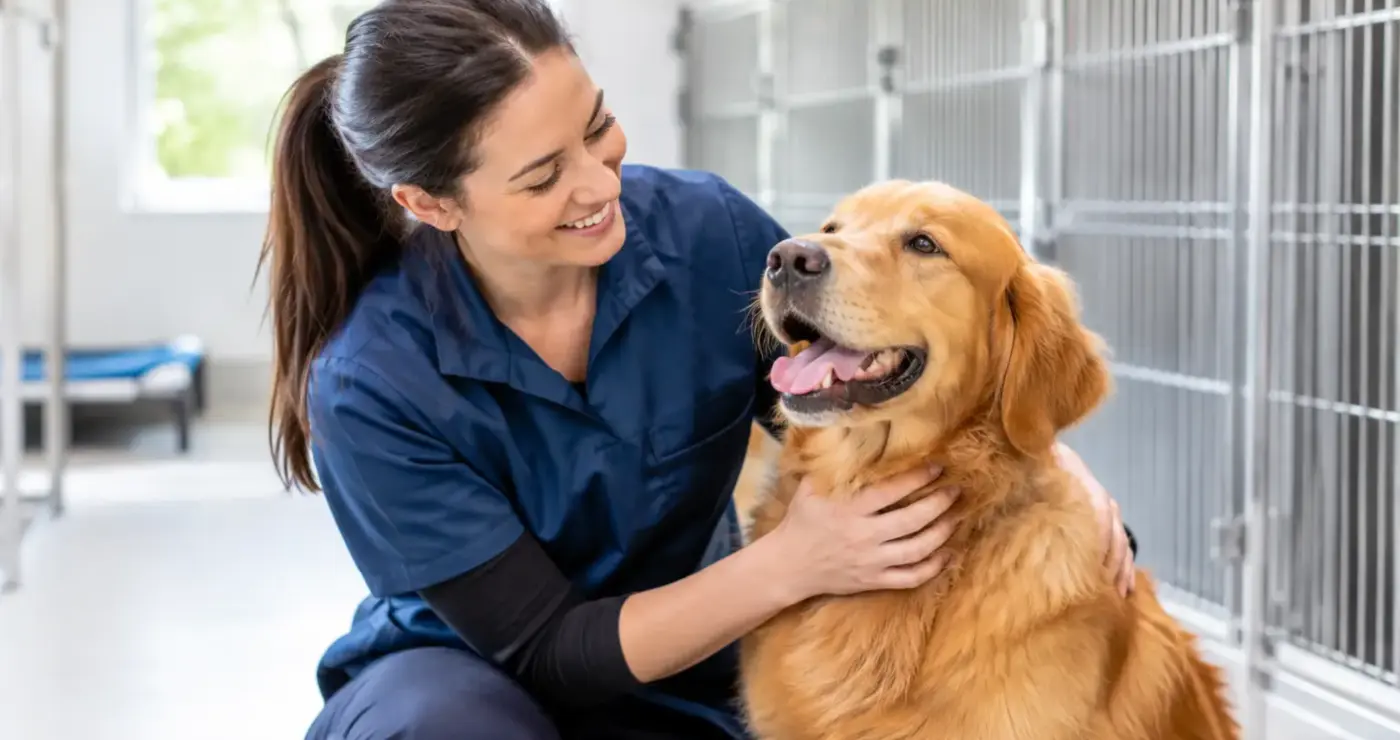
A kennel trial is not a test your dog has to pass. It is a sensible, gentle way to find out how they respond to a new routine, new people and time away from home before a longer stay. Knowing how to schedule a kennel trial gives you the chance to make boarding feel familiar rather than rushed, particularly if your dog is young, nervous or has never stayed in kennels before.
For many owners, the hardest part of arranging a holiday is not packing the suitcase. It is leaving a much-loved dog somewhere new. A well-planned trial stay can replace some of that uncertainty with useful reassurance - for you, your dog and the boarding team looking after them.
What is a kennel trial?
A kennel trial is usually a short introductory stay at a boarding kennel. Depending on the kennel and your dog’s needs, it might be a few hours during the day, a day visit or an overnight stay. The purpose is to let your dog experience the setting at a manageable pace and allow the team to understand their usual habits.
It is particularly helpful for dogs that are accustomed to having people around for much of the day, dogs who can be cautious in unfamiliar places, or puppies and younger dogs still learning to settle. It can also be worthwhile for a confident dog. A new place is still a new place, and a short stay helps avoid making their first experience coincide with a two-week family holiday.
A trial does not guarantee that every dog will immediately relax. Some need a little more time than others. What matters is that the kennel can observe them properly, adjust care where appropriate and give you an honest view of how they settled.
How to schedule a kennel trial
Start by getting in touch well before your intended trip. School holidays, bank holidays and summer dates are often booked earlier than owners expect, so leaving the trial until the week before you travel may limit your options. Give the kennel the dates of your planned boarding stay as well as a few possible dates for the trial.
When making your enquiry, describe your dog plainly. Their age, breed or size, usual feeding routine, medical needs and personality are all useful starting points. Mention if they have been boarded before, if they are worried by loud noises, or if they take time to trust unfamiliar people. This is not about presenting a perfect dog. Clear information helps experienced carers prepare for the individual in front of them.
Ask what type of trial would suit your dog and whether the kennel recommends a daytime visit or an overnight stay. A short daytime session may be enough for an easy-going adult dog. An overnight trial can provide a more realistic picture for a dog who has never slept away from home, as evenings and early mornings are often the parts of a boarding stay that feel most different from their usual routine.
Before confirming, check what the kennel needs from you. This commonly includes up-to-date vaccination information, feeding instructions, emergency contact details and details of any medication. Requirements vary, so it is always best to ask rather than assume. You should also confirm the drop-off and collection times, the trial fee, and whether there are any forms to complete in advance.
Choose a date that gives your dog time to settle
A trial works best when it is not treated as a last-minute rehearsal. Aim to schedule it several weeks before the longer stay where possible. That leaves room for a second short visit if your dog would benefit from one, and it gives you time to act on any advice from the boarding team.
Try to choose an ordinary day rather than a day already full of change. Moving house, welcoming a new baby, fireworks nearby or a recent illness can all make a dog more unsettled than usual. If your dog is already coping with a lot, waiting for a calmer week may give the trial a fairer chance.
Keep the morning of the trial reassuringly normal. Give your dog their usual walk unless the kennel has advised otherwise, feed them according to the agreed plan and stay calm at drop-off. Dogs are quick to notice when we are anxious. A warm, brief goodbye is kinder than a long, emotional departure that makes the moment feel alarming.
What to ask when arranging a trial stay
A good kennel should be happy to explain how dogs spend their day. You are trusting them with a family member, so practical questions are entirely reasonable. Ask where your dog will sleep, how heating and ventilation are managed, what exercise is provided, and whether dogs have individual outdoor space.
It is also worth asking how the team handles feeding, medication and quieter dogs. Find out who will contact you if your dog seems unsettled or becomes unwell, and what veterinary arrangements are in place. The answers should be clear and specific, not vague promises that your dog will be ‘fine’.
For a dog who enjoys company but not chaos, ask how interaction is managed. Some dogs thrive in a lively routine; others are happiest with calm individual attention, familiar carers and time in their own space. The right boarding arrangement depends on the dog, not on a one-size-fits-all idea of what a kennel should be.
If you are able to visit before booking, pay attention to the everyday details. Is the accommodation clean and comfortable? Do staff speak calmly to the animals? Are the dogs given opportunities for exercise and enrichment, rather than simply being left in their runs? A countryside setting and plenty of space are valuable, but attentive routines and knowledgeable people are what make that space feel safe.
At Windmill Farm, dogs benefit from heated accommodation, individual covered outdoor runs, indoor enrichment and twice-daily paddock walks. Those practical features matter because they support the things most dogs need during a stay: rest, movement, interest and consistent care.
Prepare your dog without making it a big event
In the days before the trial, keep life predictable. Avoid changing food or introducing a new routine unless there is a reason to do so. Pack only the items the kennel has asked you to bring, which may include prescribed medication or a familiar comfort item if permitted.
Do not try to ‘tire your dog out’ with an unusually long walk before they go in. A dog who arrives exhausted, overexcited or hungry may not show their typical behaviour. The aim is for the team to meet them as they normally are.
Your own preparation matters too. Make sure the contact number you provide will be answered, and tell the kennel who is authorised to make decisions if you cannot be reached. If your dog has a habit that feels small at home but may affect their care - refusing breakfast, needing encouragement before bed, disliking men in hats - mention it. These details can be surprisingly helpful.
After the trial: what to look for
At collection, give your dog a calm greeting, then listen carefully to the handover. Ask how they ate, rested, exercised and responded to staff. A professional team should be able to tell you more than whether your dog was ‘good’. You want to know whether they settled after arrival, what they enjoyed and whether anything would make a longer stay easier.
Your dog may be pleased to be home and then sleep deeply for the rest of the day. That can be perfectly normal after the stimulation of a new environment, exercise and new routines. Equally, some dogs bounce straight back into family life. Look for their usual appetite, toileting and temperament over the following day or two rather than reading too much into the first half-hour at home.
If the trial exposed a difficulty, that is useful information, not a failure. The kennel may suggest another short stay, a different arrival time, a quieter accommodation choice or more detailed notes on your dog’s routine. In some cases, a dog may simply be better suited to another care arrangement. Honest advice is part of good animal welfare.
A kennel trial is a small piece of planning that can make a real difference when your travel date arrives. Give your dog time, choose carers who are willing to understand them as an individual, and let the first stay be the beginning of a familiar routine rather than a sudden goodbye.
Posted: 19th October 2026
Why Choose Windmill Farm?
Here at Windmill Farm we understand how much your pets mean to you and so we want you to be confident that choosing us to house your pets is the best decision. Your stay at Windmill Farm will benefit from...
- Very friendly, family run business
- Established for over 60 years
- Surrounded by 15 acres of land
- Nestled in the Surrey countryside
- Dog pick up and collection service
- 24 hour on-call veterinary services
- Covered outside runs and plenty of toys
- All kennels and catteries are fully heated