
7 Reassuring Signs of Attentive Kennel Staff
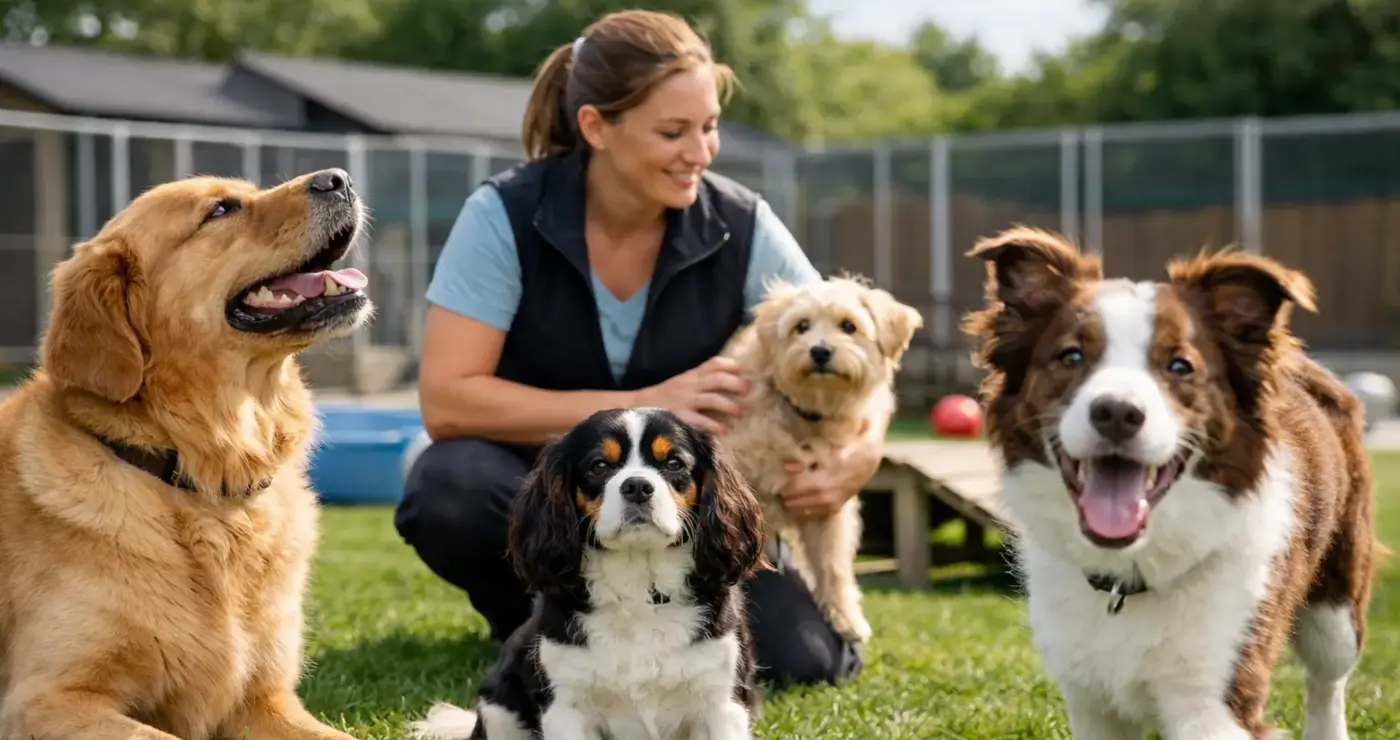
A good boarding stay is rarely judged by the kennel door alone. The most reassuring signs of attentive kennel staff are often found in the small details: the questions asked at check-in, the way a nervous dog is given time to settle, and whether staff can speak confidently about your pet’s routine rather than offering vague reassurance.
For owners heading away on holiday, those details matter. You are not simply looking for a secure place for your dog or cat to sleep. You want to know they will be noticed, understood and cared for as an individual while you are apart.
1. They ask thoughtful questions before your pet stays
Attentive care begins before the booking is confirmed. A responsible boarding team will want to understand your pet’s normal routine, temperament, diet, medical needs and any particular worries you may have.
For a dog, this might include how they behave around other dogs, whether they are used to walks on a lead, what helps them settle at night, and whether they have any sensitivities. For a cat, staff may ask about feeding habits, litter tray preferences, hiding behaviours and how they react in unfamiliar surroundings.
These questions are not unnecessary form-filling. They help staff provide a more settled stay from day one. A young dog who has never slept away from home may need a different approach from an experienced boarder, just as a shy cat may need quiet patience rather than constant interaction.
You should also feel comfortable asking questions of your own. Clear answers about exercise, accommodation, feeding arrangements and veterinary procedures are a strong sign of an organised, open establishment.
2. The routine is clear, but care is not one-size-fits-all
Pets often settle more easily when their days have a reliable rhythm. Feeding at regular times, clean accommodation, planned exercise and quiet rest periods all help a boarding environment feel predictable rather than overwhelming.
That said, a fixed timetable should not mean every animal is treated exactly the same. Attentive kennel staff recognise when a pet needs a little extra encouragement, a slower introduction to their surroundings or more time to relax after exercise.
Ask how the day is structured and listen for practical detail. For dogs, regular access to an individual outdoor run, purposeful walks and time for indoor enrichment can make a real difference to their comfort. Cats benefit from peaceful, clean accommodation, familiar feeding routines and staff who understand that friendliness may take time.
At Windmill Farm, dogs have individual covered outdoor runs, twice-daily paddock walks and enrichment toys indoors. Those features are valuable because they support a balanced day, with fresh air, activity and rest rather than long periods of simple containment.
3. They notice changes in behaviour and appetite
A pet cannot explain that they are worried, tired or feeling unwell. Good staff therefore pay attention to the clues animals give them: a dog that leaves its food when it normally eats eagerly, a cat that suddenly withdraws, or a pet that seems uncomfortable during movement.
Not every change means there is a serious problem. Many animals eat a little less or behave differently for the first day or two in new surroundings. The key difference is whether staff are observant enough to spot the change and experienced enough to respond appropriately.
You can ask what happens if your pet does not eat, seems unsettled or needs medication. A reassuring answer will explain who monitors them, how concerns are recorded, when an owner is contacted and what veterinary support is available if needed.
This is particularly important for older pets, animals on regular medication and those with a history of anxiety. It is also worth being honest about any past health concerns. Withholding information rarely protects a pet; it simply makes it harder for the people caring for them to make good decisions.
4. The accommodation looks clean, calm and well maintained
A visit tells you a great deal. You do not need a luxury setting, but you should expect clean sleeping areas, fresh water, secure boundaries and accommodation suited to the season. Heated kennels and cattery rooms can be especially reassuring in colder weather, while ventilation, shade and cleanliness matter all year round.
Look beyond appearances, too. Is there a strong odour that suggests cleaning is falling behind? Do the animals appear settled for a boarding environment? Are bowls, bedding and shared areas being managed carefully? A busy kennel will never be silent, particularly around feeding or walk times, but it should feel supervised rather than chaotic.
Outdoor space is another useful indicator. Dogs need more than a quick comfort break during a longer stay. Suitable exercise areas allow staff to provide proper walks and activity while keeping dogs safely managed. The right arrangement depends on each dog’s age, fitness and confidence, but regular movement is an essential part of good care.
5. Staff handle pets with patience and confidence
Watch how staff greet the animals in their care. The best handling tends to look unhurried and matter-of-fact. A confident staff member does not need to make a fuss of every pet immediately, especially if the animal is nervous. They read the situation, use calm body language and allow trust to build.
This matters at arrival, when even confident pets can feel uncertain. A thoughtful handover may involve letting your dog have a moment to sniff and take in the surroundings before being led to their accommodation. For cats, a quieter approach is often best, allowing them to come out in their own time.
There is a balance here. You want staff who are warm with animals, but also professional enough to maintain safe routines. Excessive familiarity is not a substitute for experience. A well-run boarding establishment combines affection with sensible procedures around gates, feeding, exercise and health checks.
6. They can explain how pets are kept safe
Attentiveness and safety go hand in hand. Ask simple, direct questions: how are dogs moved between kennels and exercise areas? How are feeding instructions checked? What is the procedure if a pet becomes ill outside normal hours? Who is authorised to contact a vet?
You are looking for answers that are specific without being overcomplicated. Good teams know their procedures because they use them every day. They should be able to explain how dogs are supervised, how individual needs are recorded and what support is in place should veterinary attention be required.
Twenty-four-hour veterinary standby support offers valuable peace of mind, but it does not replace careful daily observation. The strongest arrangement combines both: staff who notice early concerns and a clear plan for professional help when it is needed.
7. Communication leaves you feeling informed, not brushed aside
Many owners feel guilty about leaving a pet, even when they know boarding is the right choice. A kind, professional team will understand that concern and communicate clearly without making promises they cannot keep.
Before a stay, they should confirm practical arrangements such as drop-off times, food requirements, medication and emergency contacts. During a longer stay, it is reasonable to ask how updates are handled. Some pets settle quickly and need little intervention; others may benefit from a brief update that reassures an anxious owner.
It is also a good sign when staff are honest. If a pet took a little while to settle but is now eating and enjoying their walks, that is more useful than a blanket statement that everything has been perfect. Trust grows when communication is both kind and realistic.
Choosing care you can feel comfortable with
The right kennel or cattery should give you confidence before you leave the car park. A visit, a proper conversation and a few well-chosen questions can reveal far more than polished photographs ever will.
If you are unsure, trust the feeling created by the people as well as the facilities. When staff know the animals in their care, explain their routines clearly and treat your concerns with respect, it becomes much easier to leave your pet knowing they have a safe, comfortable place to spend their own little holiday.
Why Choose Windmill Farm?
Here at Windmill Farm we understand how much your pets mean to you and so we want you to be confident that choosing us to house your pets is the best decision. Your stay at Windmill Farm will benefit from...
- Very friendly, family run business
- Established for over 60 years
- Surrounded by 15 acres of land
- Nestled in the Surrey countryside
- Dog pick up and collection service
- 24 hour on-call veterinary services
- Covered outside runs and plenty of toys
- All kennels and catteries are fully heated