Should Dogs Have Trial Stays Before Boarding?
A holiday booking can feel straightforward until you reach the question of where your dog will stay. If your dog has never been in kennels before, you may wonder: should dogs have trial stays before boarding? For many dogs and owners, a short practice visit can make the first longer stay feel far less daunting.
A trial stay is not a test your dog must pass. It is simply an opportunity for them to experience a new place, new smells and a new daily routine in small, manageable steps. It also gives the boarding team a chance to get to know your dog before a longer booking.
Should dogs have trial stays before boarding?
The honest answer is that it depends on the dog, the length of the planned stay and their previous experiences. A confident adult dog who has happily stayed in professional boarding before may settle quickly without a practice stay. A young dog, a nervous rescue, or a dog that has always been cared for by family may benefit greatly from one.
Trial stays can be particularly helpful if you are planning a longer holiday, travelling abroad or need your dog to board at a busy time of year. Rather than introducing every change at once, your dog can become familiar with the setting while you are still nearby and available.
For owners, the value is often just as significant. Seeing a well-run boarding environment, meeting the people who will care for your dog and understanding the exercise and feeding routine can replace uncertainty with a clear picture of their stay.
What a trial stay can teach you
A short stay helps everyone understand how your dog responds away from home. Do they settle after an initial burst of excitement? Are they comfortable eating in a new environment? Do they enjoy their walks and return to their suite relaxed? These are useful details, not reasons for judgement.
Some dogs are pleased to explore from the moment they arrive. Others need a little more time and calm reassurance. An experienced boarding team will expect those differences and use what they learn to make the longer stay more comfortable.
A trial can also highlight practical preferences. Your dog may settle better with a familiar blanket, eat more readily when their food is served in a certain way, or need a quieter approach at handover. Sharing this information early allows care to be more personal from the start.
Which dogs benefit most from a practice stay?
Puppies and younger dogs often benefit because boarding introduces a new routine at an age when they are still learning how to cope with short periods away from their family. A positive, carefully supervised experience can help them build confidence for future stays.
Dogs that are naturally cautious may also be better served by a gradual introduction. This does not mean every shy dog will need several visits. Sometimes a viewing appointment followed by one overnight stay is enough to make the surroundings feel recognisable rather than unfamiliar.
Dogs adopted from rescue deserve particular thought. Their background may be unknown, and they may find separation or busy environments more difficult. In these cases, be open with the kennel about anything you know: triggers, handling preferences, worries around food, or the situations in which your dog feels safest.
Older dogs can be good candidates too, especially if boarding is new to them. An older dog may be perfectly sociable and healthy but more attached to the rhythms of home. A trial stay provides a gentler introduction and gives you time to discuss medication, mobility and comfort requirements properly.
When a trial stay may not be necessary
Not every dog needs one. If your dog has boarded successfully in the past, has coped well with overnight care elsewhere and is booked for a brief stay, a trial may offer limited extra benefit. The key is not to add change simply because it sounds sensible, but to make a decision based on your individual dog.
There are also practical considerations. A very short practice stay means another separation and another journey, which could be tiring for some dogs. If your dog becomes unsettled by repeated transitions, it may be kinder to arrange a thorough visit, provide detailed care notes and make their first boarding stay as consistent as possible.
Your boarding provider should be able to offer sensible guidance rather than treating a trial stay as a one-size-fits-all requirement. Good care starts with recognising that dogs are individuals.
How to make a first trial stay go well
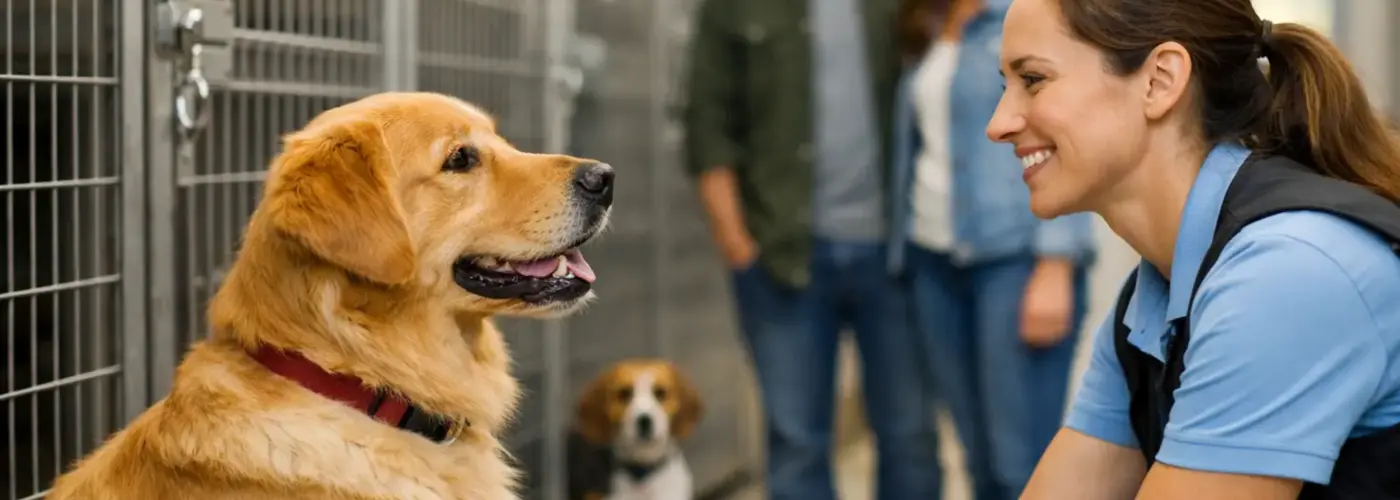
Begin with a visit if the boarding business offers one. A visit lets you see where your dog will sleep, ask about exercise, heating, supervision and veterinary arrangements, and get a feel for the atmosphere. Look for calm, clean accommodation and staff who are happy to discuss your dog rather than offering vague reassurance.
Keep the handover matter-of-fact. Dogs take many cues from us, and a long, anxious goodbye can make a normal separation feel worrying. Be warm, but calm. Give the team clear instructions, then allow them the space to welcome your dog and begin their routine.
Bring what the kennel has asked for and avoid making last-minute changes to food or medication. If your dog is allowed a familiar item from home, choose something safe, washable and unlikely to cause distress if it cannot be returned in perfect condition. Familiar scent can be comforting, but the right item depends on your dog's habits.
It is also wise to schedule the trial stay before your own travel date, rather than the day before a major trip. That leaves time to talk through how your dog got on and, if needed, make a small adjustment to their care plan. You will return home more relaxed too.
Questions worth asking before you book
The quality of a trial stay depends on the care behind it. Ask how dogs are introduced to their accommodation, how often they are exercised and whether staff can adapt routines for nervous or older dogs. Find out what enrichment is available between walks, how meals are managed and what happens if your dog needs veterinary attention.
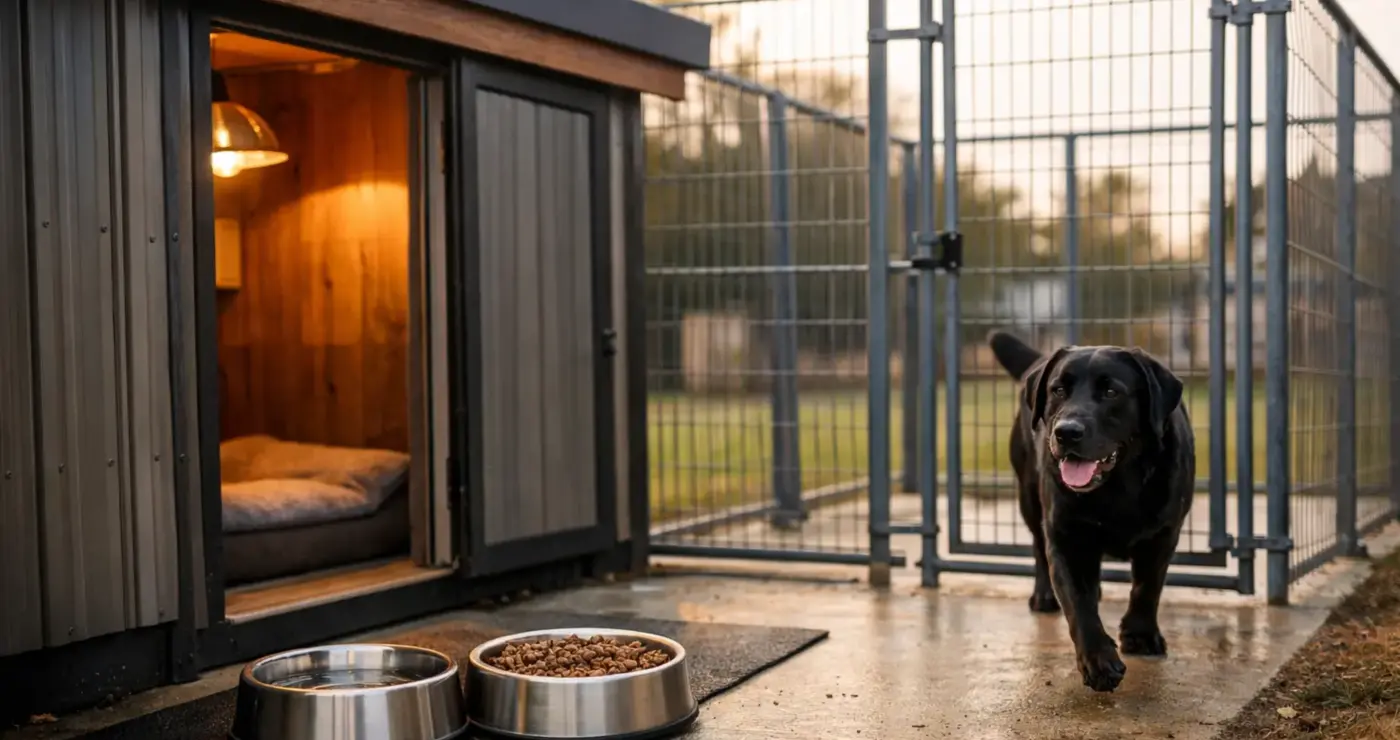
It is reasonable to ask whether accommodation is heated, whether dogs have their own covered outdoor space, and how staff supervise them throughout the day. Clear answers show that the business has organised procedures, not just good intentions.
At Windmill Farm, dogs have individual covered outdoor runs, heated accommodation, indoor enrichment and twice-daily paddock walks. Those practical details matter because they help turn time away from home into a structured, stimulating stay rather than simply time spent waiting to be collected.
Ask, too, what feedback you can expect after a trial. A helpful update should go beyond saying that your dog was "fine". You may want to know whether they ate well, enjoyed their walks, settled overnight and showed any signs that a particular comfort measure would help next time.
What to do after the trial stay
When you collect your dog, expect them to be pleased to see you. They may also be ready for a long sleep after the stimulation of a new routine, fresh air and exercise. That alone does not mean the stay was difficult. Watch how they are over the following day or two, and ask the boarding team for their observations.
If the trial has gone well, keep the experience positive at home. Return to normal meals, walks and quiet time without making a fuss of the separation. This helps your dog learn that boarding is a safe, temporary part of family life and that you always come back.
If they found elements of the stay challenging, do not assume boarding is impossible. A different length of trial, a familiar feeding routine or more time to get acquainted may be all that is needed. Honest communication gives you the best chance of finding an arrangement that suits your dog.
A trial stay is ultimately about confidence, not perfection. When your dog has had the chance to meet caring people, enjoy a little countryside exercise and learn the rhythm of a well-managed kennel, your next goodbye can feel much easier for both of you.
Why Choose Windmill Farm?
Here at Windmill Farm we understand how much your pets mean to you and so we want you to be confident that choosing us to house your pets is the best decision. Your stay at Windmill Farm will benefit from...
- Very friendly, family run business
- Established for over 60 years
- Surrounded by 15 acres of land
- Nestled in the Surrey countryside
- Dog pick up and collection service
- 24 hour on-call veterinary services
- Covered outside runs and plenty of toys
- All kennels and catteries are fully heated