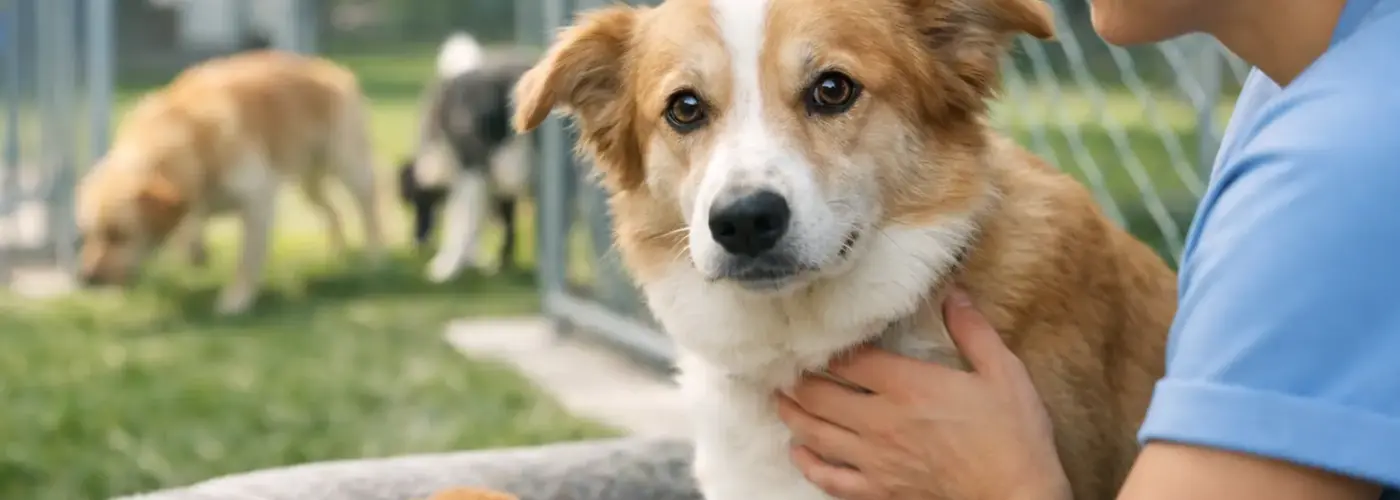
Dog Boarding for Nervous Dogs That Feels Safe
A nervous dog does not necessarily need a different standard of care. They need the right kind of care delivered patiently: a predictable routine, kind handling, space to settle and people who notice the small signs that tell them how a dog is feeling. Dog boarding for nervous dogs should never be about simply getting through the stay. It should give your dog the chance to feel safe, occupied and properly looked after while you are away.
Some dogs become worried as soon as the suitcase appears. Others are confident at home but find a new place, unfamiliar sounds or time away from their family unsettling. That is entirely understandable. The aim is not to expect every dog to behave as though they are on a carefree holiday from the first minute. It is to choose boarding where their individual needs are taken seriously.
What nervous dogs need from boarding
A good boarding stay starts with consistency. Dogs take comfort from knowing what happens next: meals at regular times, a familiar sleeping space, opportunities to go outside and calm human contact. A busy or unpredictable environment can make an anxious dog feel more alert, whereas a structured day allows them to settle at their own pace.
Their accommodation matters too. A warm, dry indoor area with access to an individual covered run gives a dog room to rest without being crowded by other dogs. They can watch the world go by, have fresh air and move about, while still having a quiet place to retreat to. For many dogs, that balance is far more reassuring than being constantly surrounded by activity.
Exercise should be part of the rhythm of the day, not an afterthought. Twice-daily walks in a secure paddock give dogs a proper chance to stretch their legs, sniff, explore and release some of the tension that can build up in a kennel environment. A dog who has had suitable exercise is often better able to rest afterwards.
Indoor enrichment also has a useful role. Toys and simple activities give a dog something positive to focus on during quieter periods. They should complement rest, not force interaction. Some nervous dogs will immediately investigate a toy; others may prefer to lie down and observe at first. Both responses are perfectly normal.
Dog boarding for nervous dogs begins before check-in
The best preparation happens at home, before the day of the stay. Keep your own manner calm when you pack and travel to the kennels. Dogs are skilled at reading their owner's body language, and a tense goodbye can make a dog wonder whether there is something to fear.
Be honest when you discuss your dog with the boarding team. Share what makes them uneasy, how they respond to new people, whether they are worried by other dogs, and what helps them relax. Mention their normal feeding routine, any medication, preferred treats and any habits that might be mistaken for bad behaviour, such as barking when they first hear a door close.
It can also help to arrange a visit before booking, where this is available. Seeing the setting yourself can ease your own concerns, while a short, positive introduction helps some dogs make their first arrival feel less unfamiliar. This is particularly worthwhile for first-time boarders, young dogs and dogs that are strongly attached to home routines.
A familiar-smelling item may be comforting if the boarding provider permits it. However, avoid sending anything irreplaceable or likely to cause a problem if chewed. The key reassurance should come from attentive care and a steady environment, rather than expecting one item from home to solve every worry.
Keep the handover simple
A long farewell often feels kinder to us than it does to the dog. In practice, a quiet, matter-of-fact handover is usually easier. Let the staff take over confidently, say goodbye warmly, then leave without repeatedly returning for one more cuddle.
This is not being cold. It gives your dog a clear message that they are safe with the person now caring for them. Experienced carers will then have the space to settle them into their accommodation, offer reassurance and begin the normal routine.
Signs of thoughtful kennel care
When comparing boarding options, look beyond the phrase "loving care" and ask what it means day to day. A professional kennel should be able to explain how dogs are accommodated, exercised, supervised and supported if they are unsettled.
For a nervous dog, individual attention is especially valuable. Staff should be observant enough to notice whether a dog is eating, resting, engaging with their surroundings and responding well to walks. Not every anxious dog will want fuss straight away. Gentle, respectful handling can build trust much more effectively than overwhelming them with attention.
It is also sensible to ask about veterinary arrangements. Most stays pass happily without any concern, but knowing there is 24-hour veterinary standby support offers practical reassurance if your dog becomes unwell or needs professional advice. This is one of the clear benefits of choosing an established boarding provider rather than relying on informal arrangements that may not have the same safeguards.
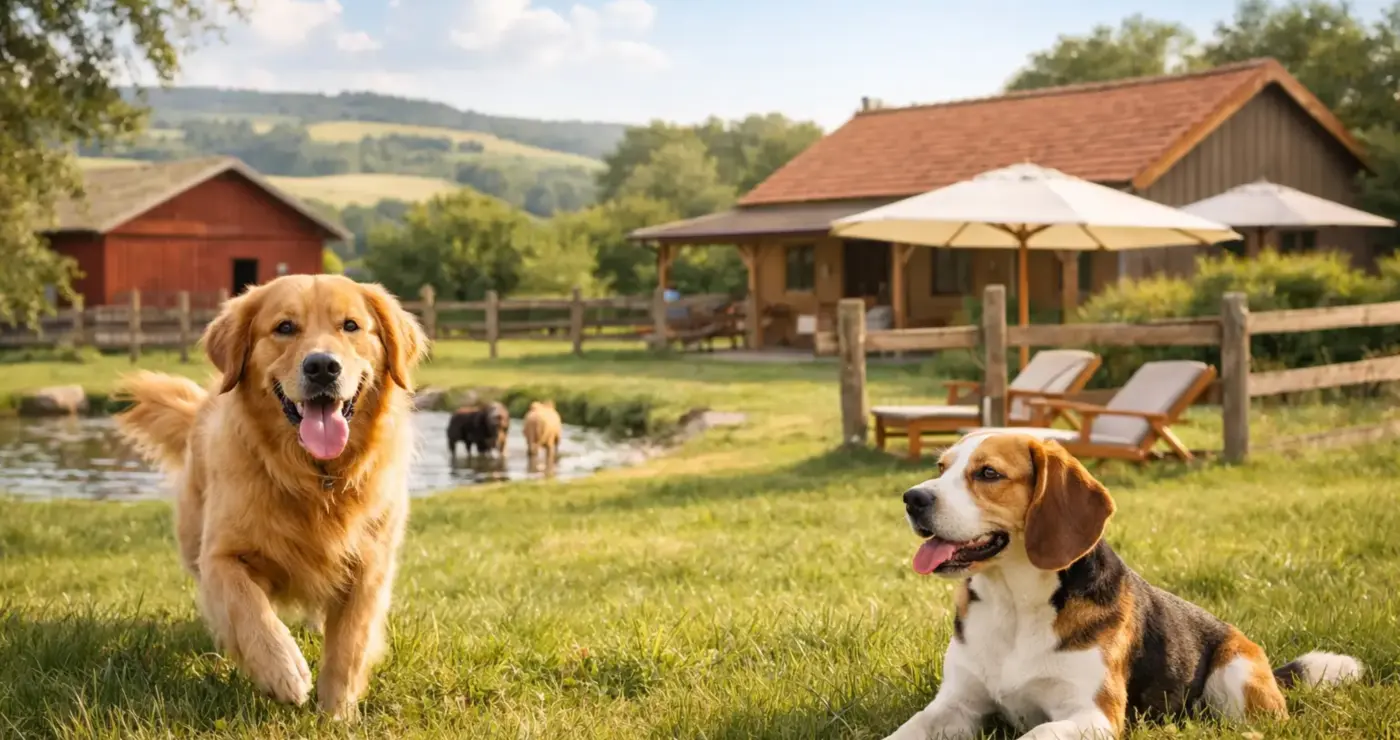
At Windmill Farm, dogs stay in heated accommodation with individual covered outdoor runs, indoor enrichment and twice-daily paddock walks. Set in the countryside near Coulsdon, the farm has cared for pets for more than 60 years, building on a long-standing connection with the Crufts family while continuing to invest in comfortable, well-managed facilities.
Set realistic expectations for the first stay
Even in an excellent kennel, a nervous dog may take a little time to find their feet. They might eat less enthusiastically on the first day, sleep more after taking in the new environment or be quieter than usual. These can be normal responses to change, particularly if they soon begin eating, walking and resting well.
The important distinction is between settling behaviour and ongoing distress. Good boarding staff will monitor your dog and use their experience to respond appropriately. Owners should feel able to ask how their dog has settled, rather than worrying that asking is a nuisance.
Length of stay can make a difference. For some dogs, a short overnight trial before a longer holiday booking is a sensible way to introduce boarding. For others, especially dogs who take time to settle, a very brief stay can mean they are just becoming comfortable when it is time to leave. There is no single answer, which is why a conversation about your dog's personality is so useful.
What not to do with an anxious dog
Avoid making large changes to your dog's routine immediately before boarding. Switching food, beginning unfamiliar training or introducing a new supplement just before you travel can make it harder to know what is affecting their behaviour. Keep things as normal as possible in the days leading up to the stay.
It is also tempting to choose a setting solely because it promises constant company or because it looks homely. That may suit some sociable dogs, but it is not automatically best for every nervous one. A dog who finds other dogs or busy households overwhelming may benefit more from calm, individual accommodation, regular exercise and experienced supervision.
Finally, do not dismiss your own concerns. If a provider cannot clearly answer questions about routines, staffing, exercise, heating, hygiene or veterinary support, keep looking. Peace of mind should be based on visible standards, not vague reassurance.
A carefully chosen boarding stay can become easier with familiarity. With patient staff, a steady routine and room to be themselves, many nervous dogs return home relaxed, well exercised and more confident than their owners expected.
Why Choose Windmill Farm?
Here at Windmill Farm we understand how much your pets mean to you and so we want you to be confident that choosing us to house your pets is the best decision. Your stay at Windmill Farm will benefit from...
- Very friendly, family run business
- Established for over 60 years
- Surrounded by 15 acres of land
- Nestled in the Surrey countryside
- Dog pick up and collection service
- 24 hour on-call veterinary services
- Covered outside runs and plenty of toys
- All kennels and catteries are fully heated