
Kennels Versus Home Boarding for Your Dog
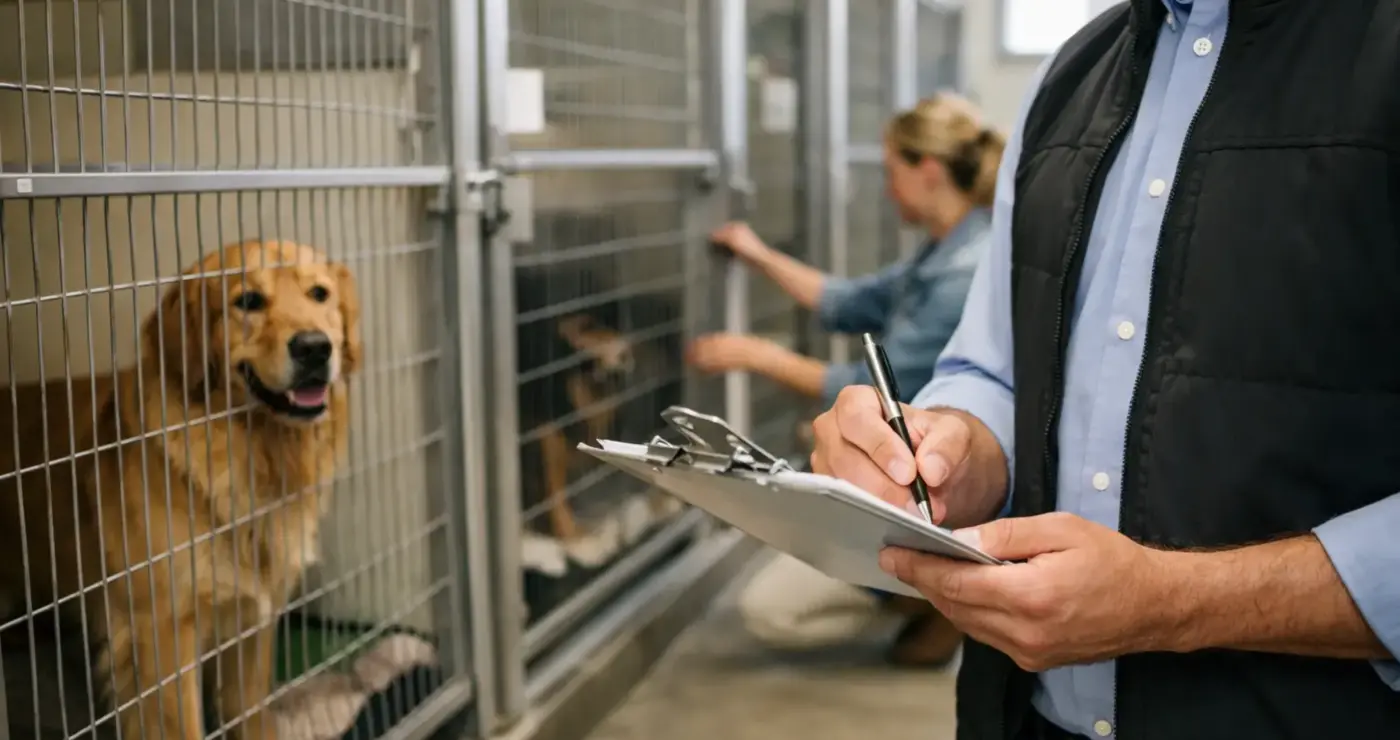
Leaving your dog behind for a holiday, work trip or family commitment can feel harder than packing your own case. When weighing up kennels versus home boarding, there is no single right answer for every dog. The best choice is the one that gives your dog appropriate care, keeps their routine as settled as possible and lets you leave knowing exactly who is responsible for them.
Home boarding can sound appealing because it resembles family life. Professional kennels can offer something just as valuable: a planned, closely supervised stay with clear routines, dedicated accommodation and staff whose whole job is caring for animals. The details matter far more than the label.
Kennels versus home boarding: the key difference
Home boarding usually means your dog stays in a carer’s own home, often alongside the carer’s pets and, in some cases, other visiting dogs. It can suit a sociable, adaptable dog who settles happily in a domestic setting and enjoys being part of another household.
A boarding kennel provides purpose-built accommodation away from a private home. Dogs have their own sleeping space and, at a well-run establishment, a predictable timetable for meals, exercise, rest, cleaning and individual attention. This structure can be particularly reassuring for owners who want firm boundaries around supervision, hygiene and contact between dogs.
Neither setting is automatically kinder or more comfortable. A calm home boarder with the right experience may be an excellent match for one dog. Another may feel more secure with their own suite, familiar feeding routine and staff who are not also managing a busy family home. Your dog’s temperament, health, age and usual routine should guide the decision.
What your dog may gain from a professional kennel stay
Good kennels are not simply somewhere a dog waits for collection. They are designed around animal care. Separate accommodation can give dogs the chance to rest properly, particularly if they are not used to sharing space with unfamiliar animals. It also gives staff a clearer view of each dog’s appetite, toileting, mood and general wellbeing.
Routine is a major benefit. Many dogs settle faster when each day follows a recognisable pattern: breakfast, exercise, quiet time, another walk, dinner and bedtime. For dogs that become overexcited in other people’s homes, this can be more relaxing than constant activity.
Exercise provision deserves close attention. Ask not only whether dogs are walked, but how often, where and by whom. At Windmill Farm, dogs have individual covered outdoor runs and twice-daily paddock walks, alongside indoor toys and enrichment. For an active dog used to getting out and about, access to proper outdoor space can make a real difference to how content they feel during their stay.
Purpose-built facilities may also be easier to manage in poor weather, during busy holiday periods or when a dog needs a little extra privacy. Heated accommodation, clean sleeping areas and safe exercise spaces are practical details, but they are the details that shape a dog’s day.
Supervision and veterinary support
Professional boarding establishments operate within a care system. There should be clear procedures for feeding instructions, medication, emergency contacts and veterinary treatment. Ask what happens if your dog becomes unwell, refuses food or seems unsettled, and whether there is veterinary support available outside normal hours.
That does not mean every small change will be a cause for alarm. Dogs can take a day or two to adjust to a new place. It does mean an experienced team should notice changes and know when to act. For older dogs, those on medication or dogs with a history of anxiety, this level of oversight may be a deciding factor.
When home boarding may be the better fit
Home boarding can be a lovely option for a dog that thrives in a household environment. Some dogs are accustomed to relaxing on the sofa, following people from room to room and sleeping close to their owners. A quiet, carefully matched home can preserve more of that familiar feeling.
It may suit dogs that need very close companionship, provided the boarder can genuinely offer it. The important word is ‘genuinely’. A home boarder may be caring for several dogs, have children, own pets or need to leave the house during the day. None of these things makes home boarding unsuitable, but they are worth discussing honestly before booking.
Ask how many visiting dogs will be present, whether they are separated for meals and rest, where your dog will sleep, and how introductions are managed. Find out whether dogs are ever left alone and whether the boarder has a back-up plan if they are ill or have an emergency themselves.
Home boarding should be licensed by the relevant local authority in England, just as kennels should be. A licence is a useful starting point, not the end of your research. Meet the carer, see where your dog will spend their time and make sure the environment feels calm, clean and suitable for your dog.
Questions that reveal the quality of care
Whether you choose a kennel or a home boarder, a few direct questions will tell you far more than a polished description. You should feel comfortable asking about daily exercise, staff supervision, overnight arrangements, feeding, medication and emergency procedures.
It is also sensible to ask how dogs are matched or kept apart. Social dogs do not necessarily want to share every moment with unfamiliar dogs, and a responsible provider will not force interaction for the sake of it. Individual care can mean sociable play for one dog and peaceful personal space for another.
Look for specific answers rather than broad promises. ‘Lots of walks’ is less helpful than knowing how many walks are offered and where they take place. ‘We treat every dog like our own’ sounds kind, but it should be supported by practical standards: secure accommodation, regular cleaning, exercise, observation and a plan for veterinary care.
If possible, arrange a visit before your stay. A good kennel should be happy to explain its routine and show you the accommodation, while a home boarder should welcome the opportunity to introduce their household. Your dog’s response matters, but so does your own. You should leave feeling informed, not pressured.
Think about your dog, not the trend
The choice between kennels and home boarding is sometimes presented as though a home setting is always more personal. In reality, personal care comes from attentive people, suitable facilities and a genuine understanding of the individual animal.
A confident dog that enjoys company may be happy in either setting. A young dog may benefit from a kennel’s consistent routine and secure boundaries. A nervous dog might prefer quieter accommodation with its own space, rather than a lively family household. Equally, a dog that has always lived closely alongside people may settle beautifully with an experienced home boarder.
Be honest about the habits that make your dog feel safe. Do they rest well around other dogs? Are they protective of food or toys? Do they need medication? Do they cope with new environments, or do they need time and patient encouragement? Share all of this before booking. The right provider will want to know, because it helps them give better care.
Preparing for a settled stay
Once you have chosen, give the carer a clear picture of your dog’s normal day. Provide their usual food where requested, accurate feeding amounts, medication instructions and an emergency contact. Explain any worries plainly, from thunder anxiety to a sensitive stomach. Bringing a familiar blanket or toy can help some dogs settle, although it is wise to check what the provider recommends.
Try not to make departure overly emotional. Dogs are very good at noticing when we are worried. A calm handover, clear instructions and confidence in the people caring for them gives your dog the best chance to settle into their own little holiday.
The right boarding arrangement is not about recreating your home exactly. It is about finding a safe, kind and well-organised place where your dog can be comfortable, exercised and properly cared for until you return.
Posted: 27th October 2026
Why Choose Windmill Farm?
Here at Windmill Farm we understand how much your pets mean to you and so we want you to be confident that choosing us to house your pets is the best decision. Your stay at Windmill Farm will benefit from...
- Very friendly, family run business
- Established for over 60 years
- Surrounded by 15 acres of land
- Nestled in the Surrey countryside
- Dog pick up and collection service
- 24 hour on-call veterinary services
- Covered outside runs and plenty of toys
- All kennels and catteries are fully heated


