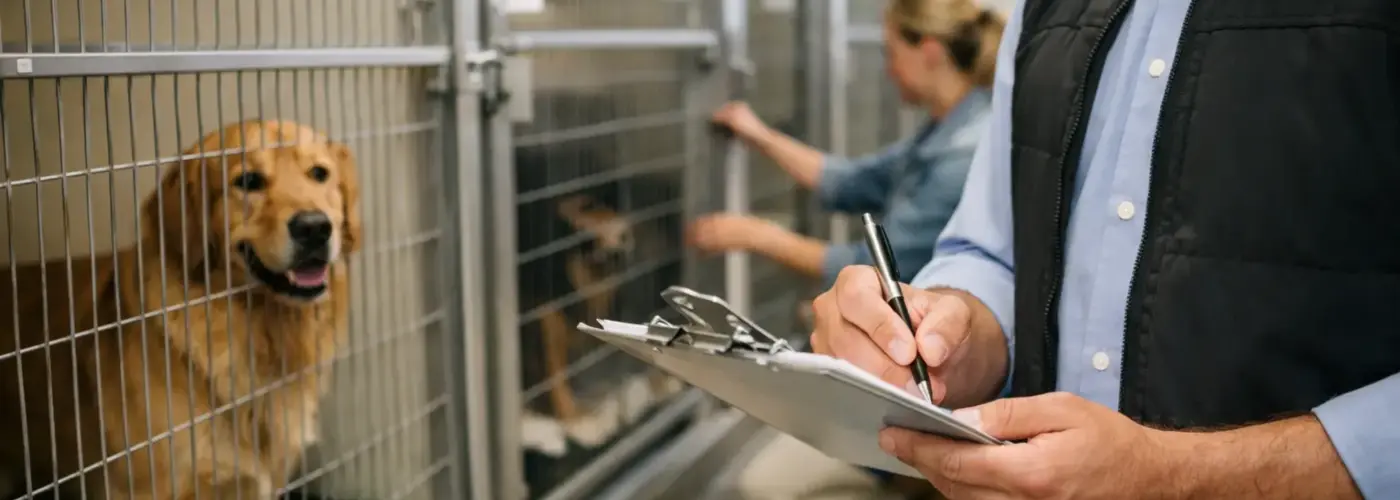
A Guide to Kennel Inspections Before Booking
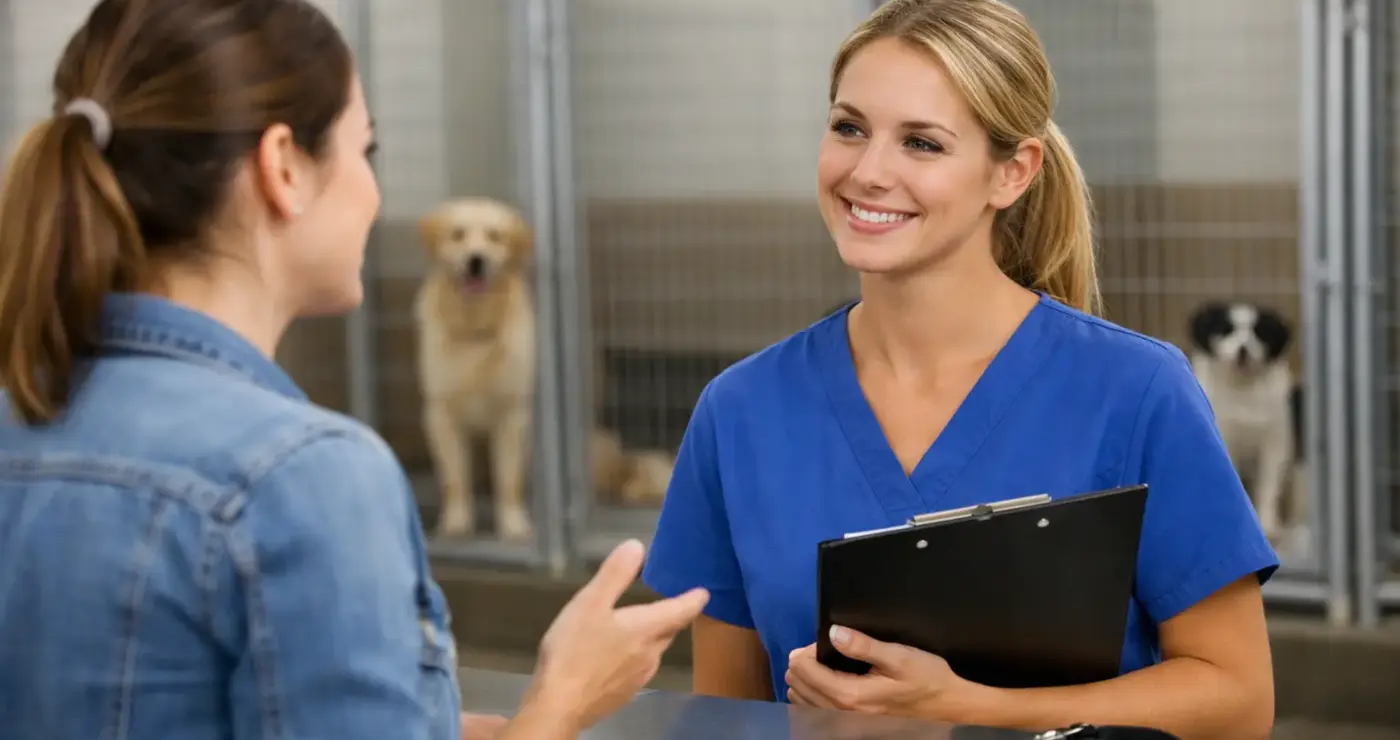
A kennel visit should leave you with more than a tidy reception area and a friendly goodbye. It should show you where your dog will sleep, exercise, eat and settle while you are away. This guide to kennel inspections will help you look beyond first impressions and ask the practical questions that give real peace of mind.
For many owners, especially those booking boarding for the first time, the hardest part is handing over the lead. A good inspection cannot remove every worry, but it can show whether a boarding kennel has the routines, space and attentive staff needed to make your dog's stay feel safe, comfortable and enjoyable.
Start with the atmosphere, not just the appearance
A well-run kennel does not need to look like your sitting room, but it should feel calm, clean and purposeful. Listen for the general noise level. Some barking is normal when dogs hear a visitor or see activity, yet constant, distressed barking or obvious chaos deserves a closer look.
Notice how staff move around the site. Are dogs spoken to kindly and handled with confidence? Do team members appear to know which dog belongs in each kennel and understand individual needs? The best boarding care is organised without feeling impersonal. Staff should be able to explain the daily routine clearly, rather than offering vague reassurance.
Cleanliness matters, but so does the way it is managed. Kennels may smell faintly of dogs, particularly on a busy day, but strong odours, soiled bedding or unclean water bowls are warning signs. Ask how often accommodation is cleaned and how the team keeps dogs comfortable while their suite or run is being refreshed.
What to look for during a kennel inspection
The sleeping area is where your dog will spend time resting between walks, meals and play, so ask to see it properly. It should be dry, well ventilated and protected from draughts. During colder months, heating is not a luxury for many dogs - it is part of sensible comfort, particularly for older pets, small breeds and those with short coats.
Look at the size and condition of each kennel. Your dog needs enough room to stand, turn around, stretch out and relax away from their food and water. A private, covered outdoor run is also valuable, giving them fresh air and freedom to move at their own pace without being exposed to poor weather.
It is worth asking how dogs are housed. Some dogs settle happily beside other dogs, while others need more distance from busy neighbours. A thoughtful kennel will consider temperament, age and confidence when allocating accommodation. If your dog is nervous, reactive, very young or elderly, be open about it. The right provider will welcome that information and discuss what can be done to help them settle.
Pay attention to the details that support a familiar routine:
- Clean, comfortable bedding that is checked regularly
- Fresh drinking water available at all times
- Secure doors, gates and fencing throughout the site
- A clear plan for serving each dog's usual food and medication
- Quiet space for rest, away from unnecessary disturbance
- Appropriate toys or enrichment for time spent indoors
A kennel does not have to offer every dog the same thing. In fact, it should not. A lively young spaniel and a quiet senior terrier may both need excellent care, but their ideal day will look different.
Exercise should be specific, not a promise
“Plenty of exercise” can mean very different things. Ask where dogs are walked, how often they go out and whether the exercise area is secure. A quick turn in a small run may be suitable as part of the day, but most dogs benefit from proper opportunities to explore, sniff and stretch their legs.
Twice-daily paddock walks, for example, give dogs meaningful outdoor time and help break up the day. For energetic dogs, this routine can make a real difference to how content they feel in their accommodation. Equally, an older dog recovering from an injury may need gentle, shorter outings. Good staff will ask about your dog's normal routine rather than assuming one approach suits every guest.
Find out whether dogs are exercised individually or in groups. Neither is automatically better. Individual walks may be the safest and least stressful option for dogs that do not know one another, while carefully matched social time can suit some confident dogs. What matters is that the kennel has a clear policy and does not take avoidable chances.
Ask how staff respond when something changes
A boarding stay is rarely identical to home. Some dogs eat less on the first day, sleep more than usual or need extra encouragement to settle. That is why experienced observation matters as much as clean facilities.
Ask who checks on dogs, how often they are monitored and what happens if a pet seems unwell. A responsible kennel should have a straightforward procedure for contacting an owner, administering agreed medication and seeking veterinary advice when needed. Twenty-four-hour veterinary standby support is particularly reassuring, but it is also sensible to ask what happens outside normal opening hours and who makes decisions in an emergency.
You should also be told about vaccination requirements, parasite control and any health checks needed before arrival. These measures protect every dog on site. A provider that asks careful questions about your dog's medical history, feeding, behaviour and emergency contact details is taking the booking seriously.
Do not overlook security and handover arrangements
Dogs can behave differently in an unfamiliar place, so secure boundaries are essential. During your visit, look for sensible gate systems and well-maintained fencing. Ask how arrivals and departures are managed, particularly at busy times, and whether dogs are ever moved through communal areas.
Handover is another useful measure of how a kennel operates. You should have the chance to share feeding instructions, medication, likes and dislikes, and anything that may help your dog settle. Bringing a familiar blanket or a suitable item from home may be welcomed, though policies vary because items must be safe and easy to keep clean.
Be honest about behaviour. If your dog is worried by thunder, dislikes having paws handled or can guard food, say so. This is not about judging your dog. It gives the team the best chance to plan safely and offer the right level of care.
Questions that deserve a clear answer
Before you leave, make sure you understand the daily rhythm. Ask about meal times, exercise, cleaning, rest periods and how owners are updated during longer stays. You may also want to know whether collection and delivery can be arranged if getting to the kennel is difficult around work or travel plans.
It helps to ask how the kennel handles peak holiday periods. A busy boarding establishment can still provide excellent care, but staffing and routines should remain consistent when every space is occupied. Book early for school holidays and bank holiday weekends, then use the inspection to decide whether the environment feels right for your dog.
If you are viewing several places, make brief notes straight afterwards. Compare what you actually saw, not simply what was promised. The most polished website or newest paintwork is less meaningful than clean accommodation, secure exercise, knowledgeable staff and a calm, well-organised routine.
Trust your observations and your dog's needs
At Windmill Farm, our approach is shaped by more than 60 years of boarding heritage and by the practical belief that dogs need comfort, fresh air, stimulation and individual attention while their families are away. Yet every owner should inspect any kennel with their own pet in mind.
A large countryside setting and plenty of exercise space may suit an active dog beautifully. A quieter kennel with a more sheltered routine may be a better match for a timid pet. The right choice depends on your dog's age, health, personality and previous experience away from home.
Leave only when you can picture your dog there: resting comfortably in a clean, heated space, enjoying safe time outdoors and being noticed as an individual. That feeling, supported by clear answers and visible standards, is the best foundation for a more relaxed departure day.
Posted: 30th August 2026
Why Choose Windmill Farm?
Here at Windmill Farm we understand how much your pets mean to you and so we want you to be confident that choosing us to house your pets is the best decision. Your stay at Windmill Farm will benefit from...
- Very friendly, family run business
- Established for over 60 years
- Surrounded by 15 acres of land
- Nestled in the Surrey countryside
- Dog pick up and collection service
- 24 hour on-call veterinary services
- Covered outside runs and plenty of toys
- All kennels and catteries are fully heated