
Kennel Safety and What Good Boarding Looks Like
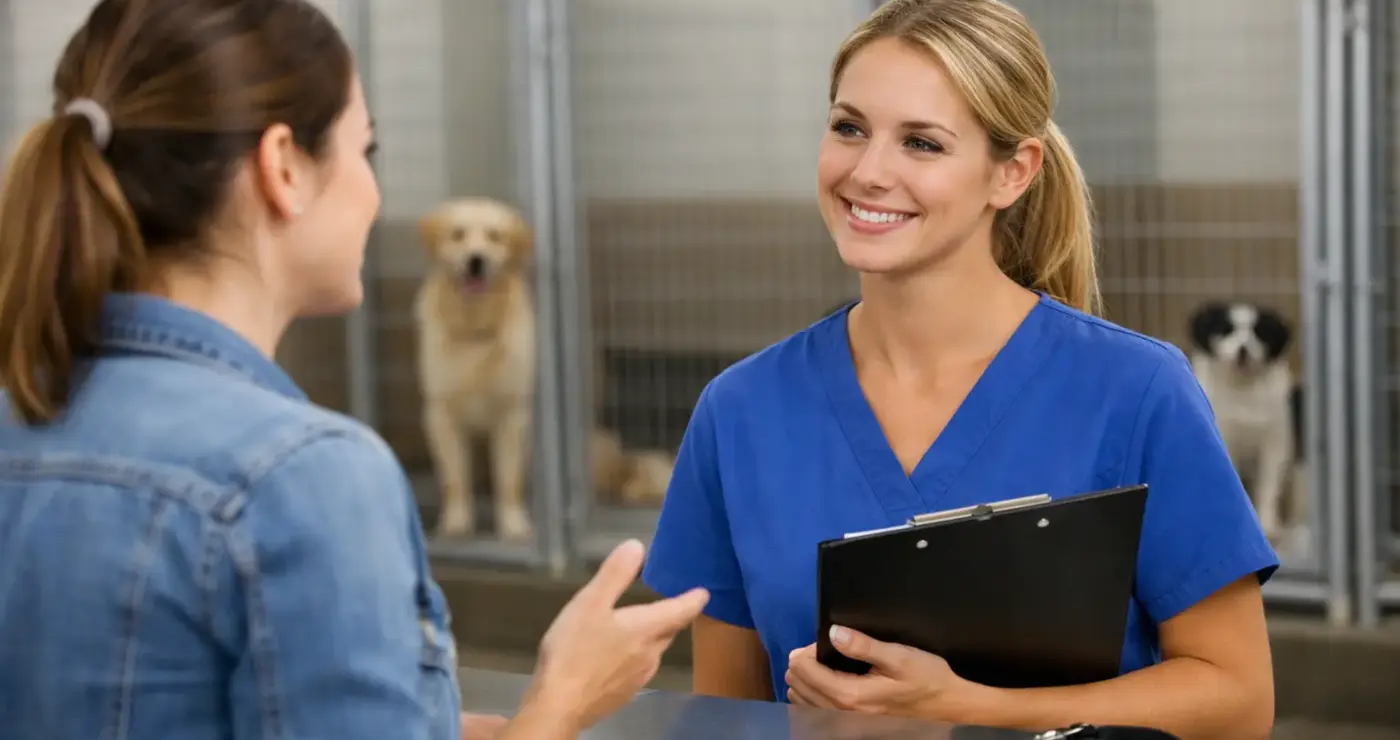
Leaving a pet behind is rarely the easiest part of going away. Kennel safety is what turns boarding from a worrying necessity into a stay you can feel comfortable arranging. It is not simply about locked gates and clean sleeping areas. It is about whether every part of a pet’s day, from their morning routine to their evening rest, is planned with their comfort, health and individual needs in mind.
For dogs and cats, a change of surroundings can be exciting, tiring or unsettling, depending on their temperament. A good boarding environment recognises that difference. It provides secure accommodation and sensible procedures, but it also gives each animal time, attention and opportunities to settle into a reassuring routine.
Kennel Safety Starts Before Your Pet Arrives
The safest stay begins with clear information. A responsible boarding provider should ask about your pet’s age, temperament, medical needs, diet and usual routine before confirming a booking. This is not paperwork for its own sake. It helps staff understand whether a dog is nervous around other animals, whether a cat needs medication at a particular time, or whether a young dog is still learning to cope with new situations.
Vaccination requirements matter too. They help protect the whole boarding community, particularly where animals arrive from many different households. Owners should be prepared to share up-to-date vaccination details and disclose recent illnesses, treatments or behavioural concerns. Being open gives the boarding team the best chance to care for your pet properly.
A visit before a first stay can be especially helpful for anxious owners and pets. You can see whether the accommodation feels clean, calm and well maintained, and whether staff are happy to answer practical questions. Your dog may also benefit from becoming familiar with the journey and the people who will care for them. Not every pet will be completely relaxed on their first visit, but a little familiarity can make the handover gentler.
Safe Accommodation Is Comfortable Accommodation
A secure kennel should prevent escapes and avoid unnecessary stress. Doors, gates and fencing need to be well maintained, with sensible systems for moving dogs between their sleeping space, outdoor run and exercise area. Individual covered runs give dogs fresh air and room to move without forcing them into contact with unfamiliar dogs.
Security alone is not enough. Dogs need a dry, comfortable place to sleep, protected from wind and rain, with suitable warmth in colder months. Heated accommodation is a practical welfare feature, particularly for older dogs, smaller breeds and those with short coats. In summer, shade, fresh water and good airflow are equally essential.
Cats require a different sort of security. They are often more sensitive to noise, unfamiliar scents and disruption to their territory. A well-run cattery should offer quiet, clean accommodation where cats cannot come into direct contact with one another unless they are from the same household. They need a comfortable indoor space, somewhere to rest, and thoughtful handling from staff who understand that trust may take time.
Cleanliness is another part of safety that owners can often judge for themselves. Accommodation should look and smell fresh, with bedding, bowls and living areas cleaned regularly. Good hygiene reduces the risk of illness, but it also makes a stay more pleasant. A dog should not have to settle down in a damp or soiled run, and a cat should always have a clean litter area.
Routine Reduces Stress During Boarding
Pets do not need every day to be identical to home, but they do benefit from a predictable pattern. Regular feeding, cleaning, exercise and rest help them understand what to expect. This is particularly valuable for nervous animals, puppies and older pets who can find change more challenging.
For dogs, exercise should be more than a brief opportunity to stretch their legs. Secure, supervised walks provide physical activity, fresh air and a chance to explore. At Windmill Farm, dogs enjoy twice-daily paddock walks alongside their own covered outdoor runs, giving them both exercise and quieter time between outings. The balance matters: an energetic young dog may need plenty of activity, while an elderly dog may be happier with shorter, gentler walks.
Indoor enrichment also has a place in a safe boarding routine. Toys, attention and simple activities help prevent boredom, particularly when the weather is poor or a dog prefers a calm break from the bustle of the paddock. For cats, enrichment may be as straightforward as a quiet play session, a comfortable perch or staff taking time to sit nearby without demanding interaction.
A busy-looking kennel is not necessarily a happy one. Constant noise and activity can overwhelm some animals. The best boarding care combines stimulation with periods of peace, allowing pets to eat, sleep and relax without being disturbed.
The People Behind Good Kennel Safety
Facilities matter, but attentive people make the difference when a pet is away from home. Staff should notice changes in appetite, toileting, behaviour or energy levels, rather than assuming every animal will react to boarding in the same way. A dog that normally races to breakfast but leaves food untouched may simply be taking time to settle. It could also be the first sign that they need closer observation.
Good supervision means knowing each pet as an individual. It includes following feeding instructions carefully, administering agreed medication, monitoring exercise and adapting care if a dog appears tired, anxious or uncomfortable. It also means staff use calm, confident handling. Rushing a frightened dog or trying to force attention from a shy cat can make a difficult first day harder.
Ask how pets are supervised outside normal opening hours and what happens if a concern arises. Boarding providers should have a clear plan for contacting owners, seeking veterinary advice and arranging treatment where necessary. Twenty-four-hour veterinary standby support offers useful reassurance, but owners should still provide emergency contact details and make sure they can be reached while away.
There is a sensible balance here. No boarding stay can replicate home exactly, and a reputable kennel should not promise that every pet will settle instantly. What it can provide is experienced observation, a safe routine and prompt action if something does not seem right.
Questions Worth Asking Before You Book
A friendly conversation can reveal a great deal about how a kennel operates. Rather than focusing only on price or availability, ask where your pet will sleep, how often dogs are exercised, whether they have individual outdoor access, and how staff manage feeding and medication. If your pet has a particular worry, such as thunder, separation anxiety or a sensitive stomach, ask directly how it would be handled.
It is also useful to ask about mixing dogs. Some boarding settings offer group play, while others keep dogs separate except for those from the same family. Neither approach is automatically right for every dog. Sociable, confident dogs may enjoy carefully managed company, but individual exercise and accommodation can be the safer, calmer choice for dogs who are nervous, reactive or simply prefer their own space.
Owners should also consider the practical details that make a stay easier. Confirm drop-off and collection arrangements, feeding preferences and what belongings are welcome. A familiar blanket or toy may comfort some pets, though others are happier with the bedding provided. If collection and delivery would remove pressure on a busy travel day, ask whether that service is available.
Helping Your Pet Settle In Well
Your own preparation can support kennel safety and comfort. Keep the days before boarding as normal as possible, and avoid making the handover emotional or drawn out. Dogs and cats often take their cue from their owners. A calm, matter-of-fact goodbye tells them that they are somewhere safe.
Provide accurate instructions, including the food your pet eats, any medication, their vet’s details and the best way to contact you. Mention small preferences too. Perhaps your dog sleeps best with a particular toy, or your cat is wary of being picked up. These details help staff offer more personal care from the first day.
When you return, give your pet a quiet evening and a little time to readjust. Many dogs are pleased to be home and may sleep deeply after the activity and stimulation of boarding. A cat may prefer to explore the house at their own pace. If anything concerns you after collection, speak to the boarding team. They can explain how your pet ate, rested and behaved during their stay.
The right kennel does more than keep a pet safe while you are away. It gives them a clean, warm place to rest, thoughtful exercise or quiet enrichment, and people who pay attention to the small things. That is the reassurance worth looking for when you arrange their next stay.
Posted: 01st September 2026
Why Choose Windmill Farm?
Here at Windmill Farm we understand how much your pets mean to you and so we want you to be confident that choosing us to house your pets is the best decision. Your stay at Windmill Farm will benefit from...
- Very friendly, family run business
- Established for over 60 years
- Surrounded by 15 acres of land
- Nestled in the Surrey countryside
- Dog pick up and collection service
- 24 hour on-call veterinary services
- Covered outside runs and plenty of toys
- All kennels and catteries are fully heated