Why Indoor Outdoor Runs Matter for Boarding Dogs
Leaving a dog behind when you go away is rarely just a practical arrangement. You want to know where they will sleep, who will notice if they are unsettled, and whether their days will still include space to move, sniff and relax. Well-designed indoor outdoor runs answer many of those questions by giving each dog a secure private area that combines a warm indoor sleeping space with direct access to fresh air.
For dogs used to a home routine, this balance can make a real difference. A kennel should not feel like a place where a dog simply waits for collection. It should provide comfort, clear routines and enough interest throughout the day for them to settle into their stay.
What are indoor outdoor runs?
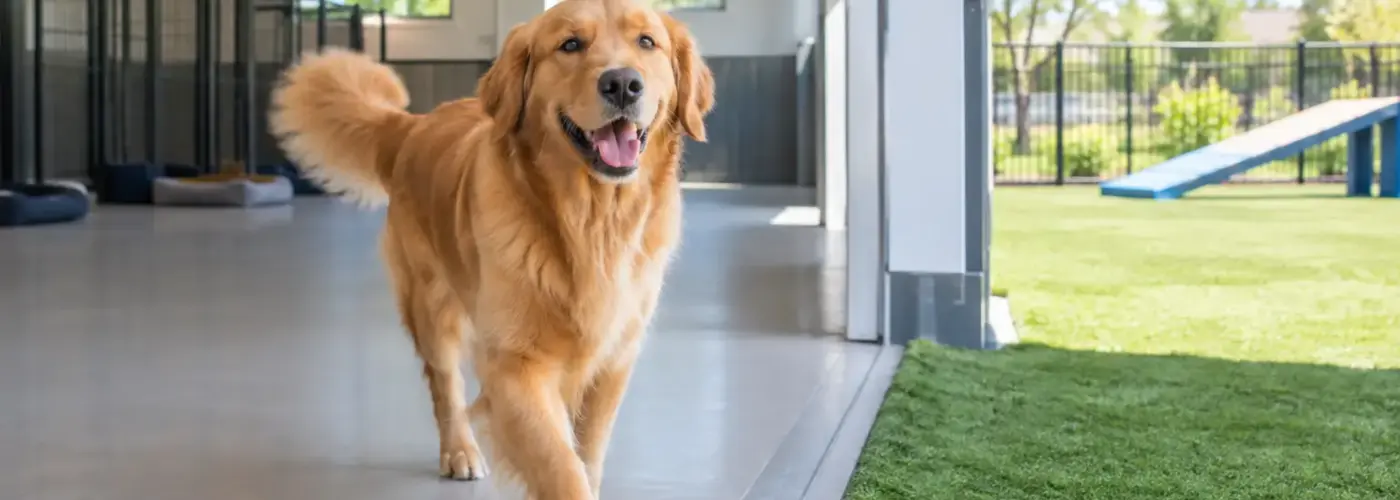
An indoor outdoor run is a connected kennel arrangement with two distinct areas for one dog or a compatible family group. Inside, there is a sheltered, comfortable space for resting and sleeping. Outside, there is an individual covered run where the dog can step out for air, watch what is happening around them and change their environment without being placed with unfamiliar dogs.
This is different from a single indoor kennel followed only by scheduled access to a shared exercise area. Both arrangements can have a place, but a run that is available directly from the dog’s own accommodation gives them more choice during the day. That choice matters, particularly for dogs who prefer to take their time before approaching new people, sounds or surroundings.
At a good boarding kennel, the outdoor part of the run is not a substitute for proper exercise. It is an extension of the dog’s accommodation. Purposeful walks, supervised time in suitable spaces and staff interaction remain essential parts of a healthy boarding routine.
Why this arrangement helps dogs settle
Dogs do not all respond to boarding in the same way. Some arrive full of confidence and are ready to investigate every new smell. Others need a quieter first day, especially if they are young, elderly, nervous or have only ever stayed with family. Indoor outdoor accommodation gives staff a useful way to support both temperaments.
A place to rest away from the weather
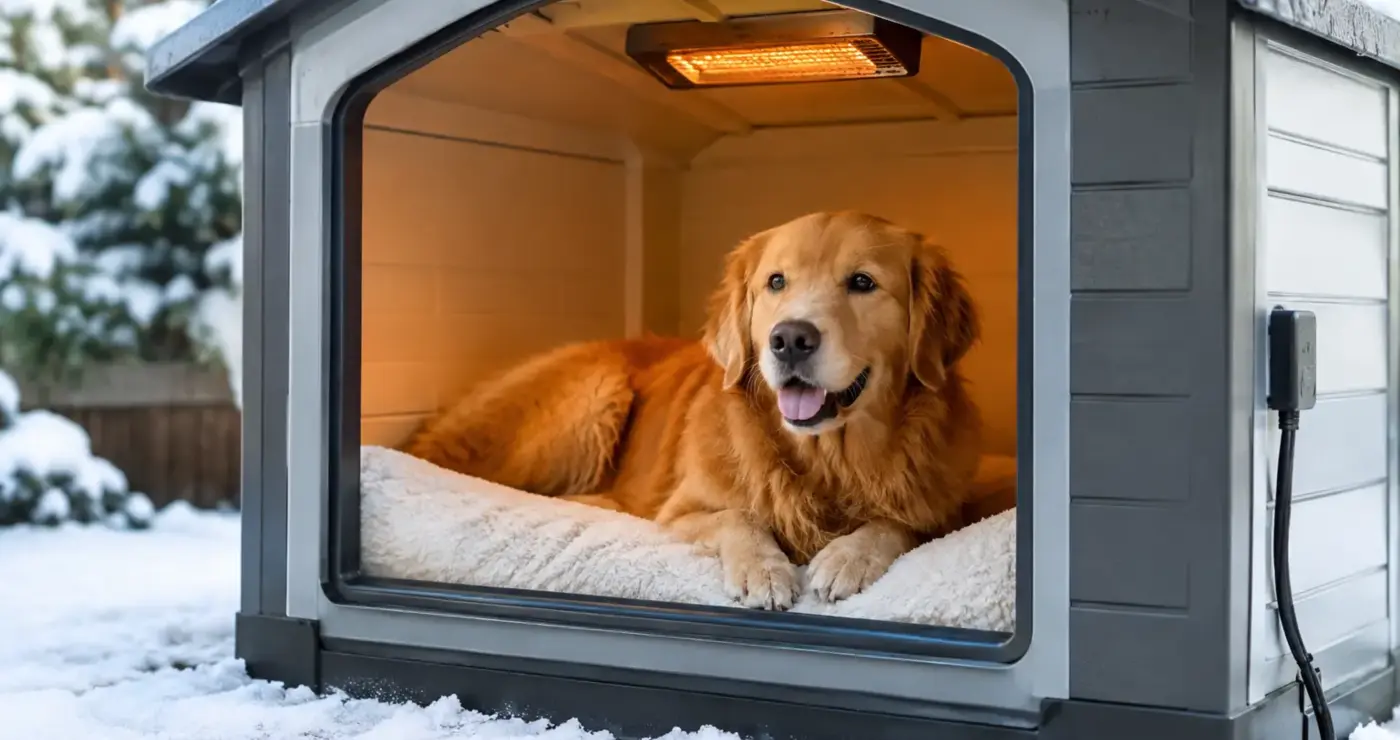
A warm indoor sleeping area is particularly valuable in colder months and during wet weather. Dogs need a dry, comfortable place to settle after exercise, meals and play. Heating is not an unnecessary extra in a boarding setting - it supports comfort and helps dogs rest properly, especially those with short coats, senior dogs and smaller breeds.
The outdoor run then allows fresh air without leaving a dog exposed to rain or harsh conditions. Covered runs offer protection while still letting dogs experience daylight and the ordinary sights and sounds of the day. For many dogs, this is more reassuring than spending long periods in a fully enclosed indoor environment.
More control over their own space
A dog cannot choose where they stay while their family is away, but they can benefit from small choices within that space. Being able to move from bed to run, stand at the door, lie in the fresh air or retreat indoors can help them feel less restricted.
This does not mean every dog will use the run in the same way. A sociable dog may enjoy watching staff go by, while a quieter dog may spend more time indoors initially. Experienced kennel staff should observe these preferences and encourage a settled routine rather than expecting every dog to behave alike.
Separation from unfamiliar dogs
Individual runs allow dogs to have their own space without direct contact with other boarders. This is important for safety and can also reduce pressure for dogs who are selective around other animals. Dogs from the same household may often be able to stay together where appropriate, but this should be considered carefully according to their relationship, size and usual home routine.
Separate accommodation does not mean isolation. It means managed care. Dogs can receive attention from staff, exercise and enrichment while avoiding the uncertainty of being required to share close quarters with dogs they have never met.
What indoor outdoor runs cannot replace
It is easy to see a covered run and assume it provides everything a dog needs. It does not. The quality of a boarding stay depends on the full routine around that accommodation.
Dogs still need meaningful daily exercise. A brief trip outside is not the same as a proper walk with time to move, sniff and explore. At Windmill Farm, dogs receive twice-daily paddock walks, giving them a welcome change of scene alongside the use of their individual runs.
They also need human contact. Staff should be familiar with each dog’s appetite, energy level and normal manner, because small changes can indicate that a dog needs extra reassurance or attention. Enrichment toys indoors can help occupy dogs between walks, though the right activities depend on the dog. A food-motivated Labrador may enjoy a puzzle feeder, while a dog that guards toys or becomes overexcited may be better suited to calm one-to-one attention and a simple routine.
Cleanliness is equally important. An outdoor run should be maintained carefully, with fresh water always available and sleeping areas kept clean, dry and comfortable. Ask how the kennel manages cleaning around the dogs’ daily schedules. Good care is not only about a tidy appearance - it is about maintaining a pleasant, hygienic place where dogs can eat and rest.
Questions worth asking before you book
A visit to a kennel tells you far more than photographs alone. You should be able to see the accommodation, understand the daily routine and ask straightforward questions about how your dog will be cared for.
It is helpful to ask whether each dog has direct access to a covered outdoor run, whether the indoor area is heated and how often dogs are taken for proper walks. Find out how the team manages feeding instructions, medication and dogs that are slow to settle. If your dog is nervous, explain this honestly. A caring boarding team will want to know what helps them feel secure at home, whether that is a familiar blanket, a particular meal routine or a little extra time to build trust.
You may also wish to ask what happens if your dog becomes unwell. Reassurance is strongest when it is backed by a clear plan. Access to veterinary support, careful observation and prompt communication with owners should all form part of a professionally run service.
For first-time boarders, a shorter trial stay can be sensible where available. It gives your dog a chance to become familiar with the setting before a longer holiday booking, and it gives the staff an opportunity to learn their habits. This may not be necessary for every confident dog, but it can be especially helpful for puppies, rescue dogs and pets who have never been away from home.
Helping your dog get the most from their stay
Your preparation can make arrival day easier. Keep the handover calm and avoid making a big fuss, however tempting it may be. Dogs often take their cue from us. If you are composed and positive, it can help them approach the new environment with greater confidence.
Give the kennel accurate information about your dog’s food, medication, exercise needs and anything that causes worry or excitement. Mention if they dislike thunder, pull strongly on the lead, take time to eat in new places or have a favourite bedtime routine. These details allow staff to provide care that feels more familiar to your dog.
Packing should follow the kennel’s guidance. Some dogs settle well with a familiar item from home, while others are more likely to chew or guard possessions in a different setting. The safest approach depends on the individual dog and the boarding provider’s rules.
The best indoor outdoor runs do not rely on one feature to create a good stay. They work because they combine private space, shelter and fresh air with attentive people, regular exercise and a predictable daily rhythm. When you visit, look for dogs that appear comfortable in their surroundings - then choose the place where your own dog’s routine will be understood, not merely accommodated.
Posted: 16th November 2026
Why Choose Windmill Farm?
Here at Windmill Farm we understand how much your pets mean to you and so we want you to be confident that choosing us to house your pets is the best decision. Your stay at Windmill Farm will benefit from...
- Very friendly, family run business
- Established for over 60 years
- Surrounded by 15 acres of land
- Nestled in the Surrey countryside
- Dog pick up and collection service
- 24 hour on-call veterinary services
- Covered outside runs and plenty of toys
- All kennels and catteries are fully heated


