
How to Maintain Dog Routines When You’re Away
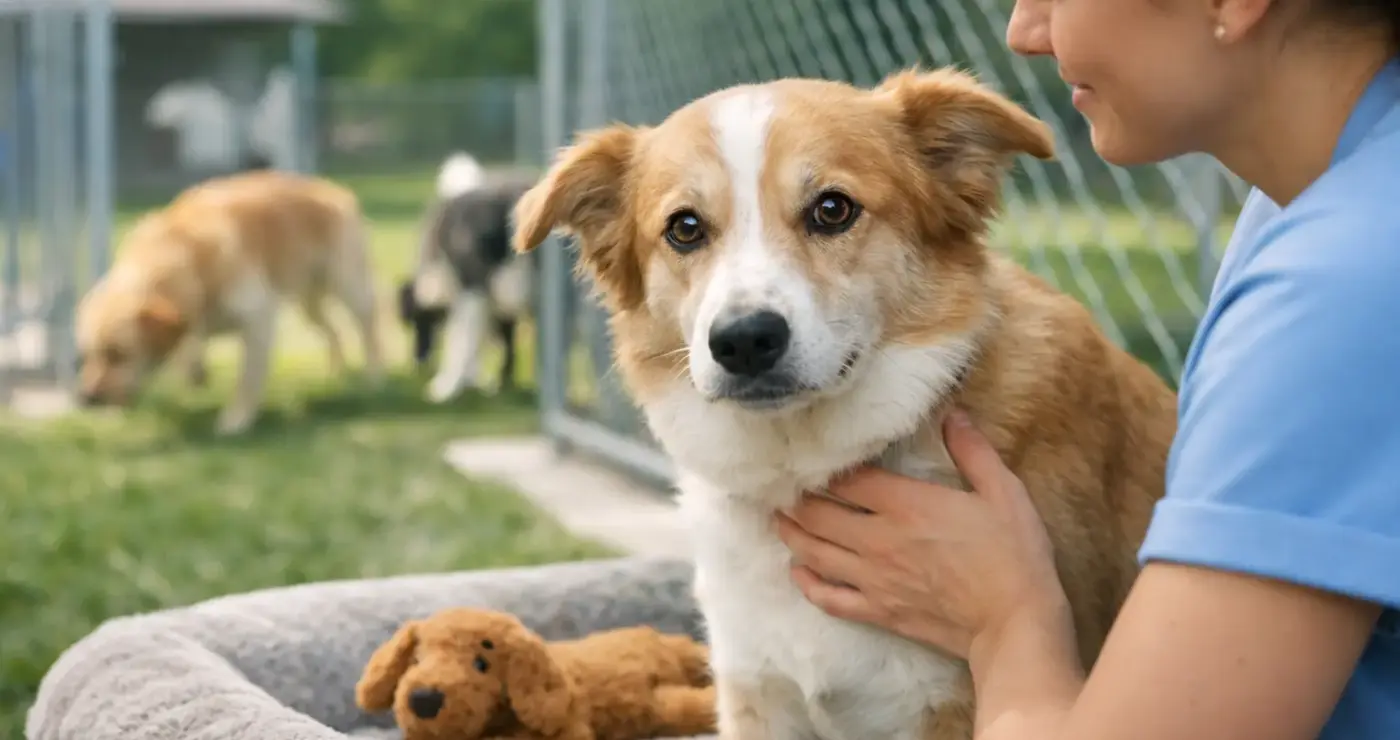
The suitcase coming out of the cupboard can be enough to make some dogs watchful. They notice the small changes long before we leave: later meals while packing, fewer walks, unfamiliar visitors or a different bedtime. Knowing how to maintain dog routines around a holiday or work trip helps reduce that uncertainty. It also gives your chosen carer the clear information they need to make your dog’s stay feel settled, active and properly looked after.
A routine does not need to be copied minute-for-minute. In fact, a dog staying in boarding will naturally have a slightly different day, with new sights, smells and people. What matters most is preserving the parts that make your dog feel secure: predictable meals, suitable exercise, familiar cues, rest and kind, consistent handling.
Start with the routine your dog actually has
Before making any arrangements, take a realistic look at a normal day. Note when your dog wakes, eats, goes out, rests and settles for the night. Include the details that might not seem significant to anyone else, such as whether they prefer breakfast after a short garden visit, need a quieter walk in the morning, or settle better with a particular bedtime cue.
This is especially useful for puppies, older dogs and nervous dogs. A lively young dog may need plenty of supervised activity but also a calm period afterwards. An older dog may be happier with shorter, steadier exercise and a warm place to rest. Dogs on medication, restricted diets or recovery plans need instructions that are simple and precise.
Try not to create a complicated timetable where every five minutes is accounted for. A good boarding team needs useful priorities, not a puzzle. Explain what is normal for your dog, what helps them relax and what situations may make them uneasy.
Keep mealtimes familiar
Food is one of the easiest parts of a routine to keep consistent. Continue feeding the same food before a stay where possible, and provide clear portions and feeding instructions. Sudden dietary changes can upset a dog’s stomach, particularly when they are also adjusting to a new environment.
Let the kennel know whether your dog eats eagerly, needs encouragement, is prone to eating too quickly or has any food sensitivities. Be clear about treats as well. If your dog is on a carefully managed diet, it is better to say so plainly than assume a little extra will not matter.
The timing may vary slightly in a professional setting, but regular meals at dependable points in the day give most dogs reassurance. If your dog normally has medication with food, write down the dose, timing and method of giving it, and provide it in its original packaging.
Maintain dog routines with familiar cues
Dogs are very good at reading patterns. They often respond to a lead being picked up, a particular phrase before meals, or the familiar words used to ask for a sit, toilet break or bedtime. Sharing these cues can make a real difference during boarding.
Use the same straightforward commands you use at home and tell staff which ones your dog understands best. For example, if they know “bed” rather than “settle”, or respond well to a cheerful “this way”, consistency avoids confusion. There is no need for a long training manual, but a few useful phrases help staff communicate in a way your dog recognises.
A familiar-smelling item can be comforting for some dogs, provided the boarding facility permits it and it is safe to leave. This might be a washable blanket or an old T-shirt carrying the scent of home. It should be something you do not mind becoming well used during the stay. Not every dog needs a familiar item, though. Some are more interested in their next walk than their bedding, and that is perfectly normal.
Match exercise to your dog, not to an ideal
Exercise is often the biggest concern for owners arranging boarding. The right amount depends on age, breed, health, fitness and temperament. A young spaniel and a senior terrier should not be expected to follow the same plan simply because both are dogs.
Tell the boarding team about your dog’s usual walking pattern and any restrictions. Mention whether they pull, are reactive around other dogs, dislike rain, need slow starts, or must avoid strenuous activity. Honest information allows staff to plan safely and appropriately.
At Windmill Farm, dogs have individual covered outdoor runs as well as twice-daily paddock walks, allowing exercise and fresh air to form a dependable part of the day. For many dogs, that reliable rhythm is more reassuring than trying to recreate every detail of a walk at home. They can enjoy activity, return to their own space and rest before the next part of the day.
Build familiarity before the stay
If your dog has never boarded before, the first stay should not begin with a long overseas holiday if you can avoid it. A shorter stay can help you and your dog understand how they cope. It also gives the team a chance to get to know their personality, appetite and preferred pace.
Keep the days before boarding as ordinary as possible. Owners sometimes respond to guilt by overexciting their dog with extra treats, a much longer walk or a busy day out. While well meant, this can leave them overtired or make the change feel more dramatic. A normal walk, normal meals and a calm handover are usually kinder.
If your dog has had a difficult experience away from home, say so at the outset. The best care is not one-size-fits-all. A confident dog may happily greet everyone, while a worried dog may need quieter handling and time to observe before engaging. Good care begins with an honest picture of the dog in front of you.
Give your boarding team the details that matter
A clear handover is a practical act of care. Alongside feeding and medication instructions, share your vet’s details, emergency contact numbers, vaccination information and any medical history relevant to the stay. Explain changes in behaviour, allergies, mobility issues or signs that indicate your dog is uncomfortable.
It is equally helpful to mention the positive things: their favourite type of fuss, what gets their tail wagging, whether they enjoy toys, and how they usually settle. A dog who enjoys a quiet ball game indoors may benefit from that familiar form of enrichment. Another may prefer company and conversation over toys.
Professional boarding should have its own established routines for cleaning, feeding, exercise, supervision and emergency support. Your role is not to manage every moment from afar. It is to provide enough accurate information for staff to combine their experience with your dog’s individual needs.
Avoid checking in on your dog’s routine too closely
It is natural to worry, particularly the first time you leave a much-loved dog. Yet routine works best when the handover is confident. Long, emotional goodbyes can make some dogs think there is something to fear, while a calm goodbye gives them space to settle into the new pattern.
Once you are away, remember that a content dog may not behave exactly as they do at home. They may sleep more after extra stimulation, eat a little differently on the first day, or become especially interested in the activity around them. These changes are not automatically a problem. Experienced carers monitor each dog and can tell the difference between a normal adjustment and something that needs attention.
Choose a boarding provider that can explain its daily care clearly: where your dog will sleep, how they will exercise, what happens in poor weather, how enrichment is offered and what veterinary support is available. Reliable routines are built into a well-run kennel, not improvised after you have left.
Help the return home feel ordinary again
When you collect your dog, keep the first evening low-key. They may be thrilled to see you, tired from their stay or briefly unsettled by the change back home. Offer water, their usual meal if appropriate, a chance to toilet and a quiet place to sleep.
Avoid assuming they need an action-packed reunion. Some dogs will be ready for a gentle stroll; others will be happiest curled up beside you. Return to their normal feeding, walking and bedtime pattern the following day, and give them a little patience while they readjust.
The aim is not to make time apart invisible. It is to show your dog, through familiar care and dependable people, that their day still has safety, exercise, rest and attention in it. That steady reassurance can make each future stay easier for everyone.
Posted: 15th October 2026
Why Choose Windmill Farm?
Here at Windmill Farm we understand how much your pets mean to you and so we want you to be confident that choosing us to house your pets is the best decision. Your stay at Windmill Farm will benefit from...
- Very friendly, family run business
- Established for over 60 years
- Surrounded by 15 acres of land
- Nestled in the Surrey countryside
- Dog pick up and collection service
- 24 hour on-call veterinary services
- Covered outside runs and plenty of toys
- All kennels and catteries are fully heated