
How to Choose Pet Boarding With Confidence
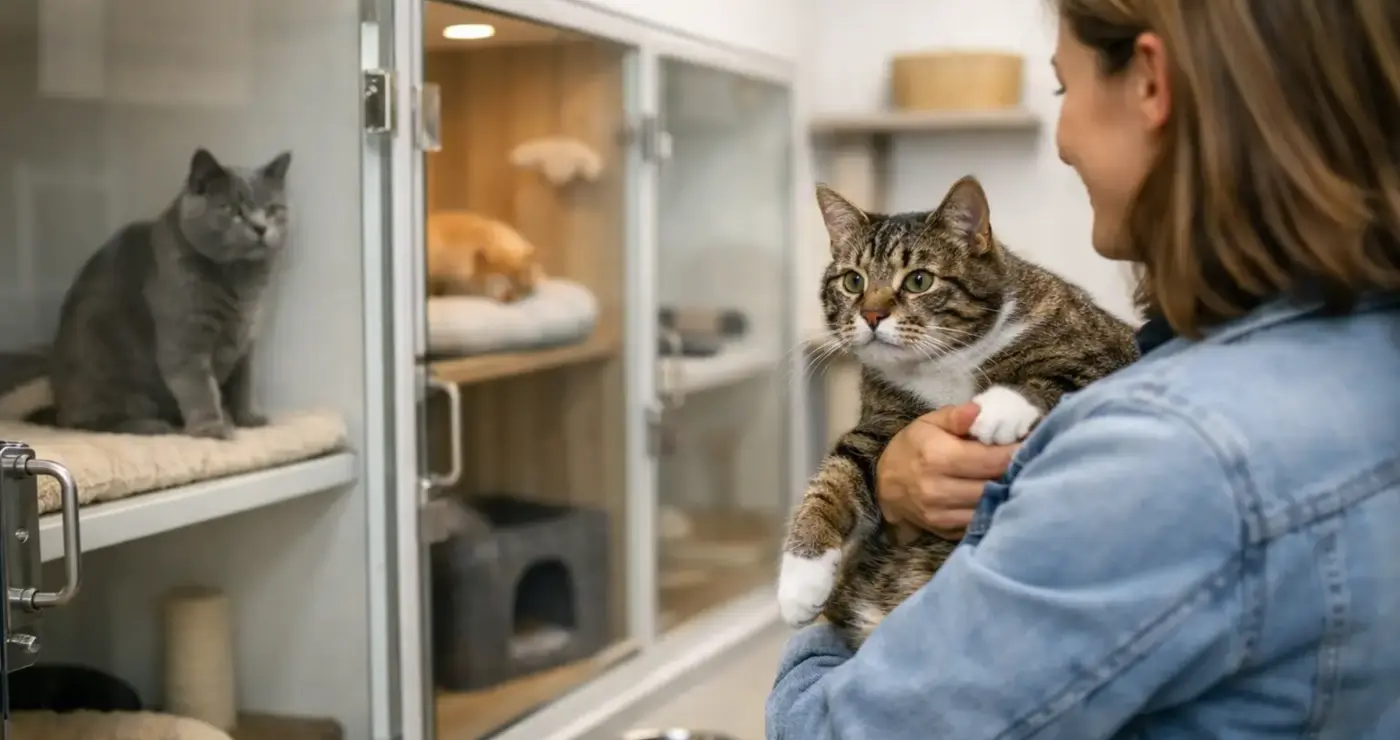
Leaving a dog or cat behind when you go away can feel harder than packing for the trip itself. Learning how to choose pet boarding means looking beyond a clean photo or a convenient postcode and asking whether your pet will be safe, comfortable, understood and properly occupied while you are apart.
The right boarding stay should feel less like temporary containment and more like a well-managed holiday. Every pet is different, of course. A sociable young dog may thrive on regular walks and activity, while an older cat may value peace, warmth and a quiet routine. The aim is not to find one-size-fits-all care, but a boarding provider with the standards, space and attentiveness to meet your pet where they are.
How to choose pet boarding: start with your pet
Before comparing kennels or catteries, think honestly about your pet’s usual routine and temperament. Does your dog need plenty of exercise to settle? Are they nervous around unfamiliar people, excitable at mealtimes, or taking medication? Does your cat hide in new surroundings, prefer a particular food, or need a calm environment away from dogs?
Share this information early. A good boarding provider will want to know it, rather than treating it as an inconvenience. They should ask about feeding, exercise, health, behaviour and any preferences that will help your pet feel more at home. Individual care begins with staff having the time and willingness to listen.
It is also worth considering the length and timing of the stay. A short weekend stay may suit a pet who has boarded before, but a young or anxious animal might benefit from a trial visit or a shorter first stay before a longer holiday booking. There is no shame in taking a gradual approach. It can make the experience much easier for both of you.
Visit before you book
A visit is one of the clearest ways to judge whether a boarding establishment feels right. You are not looking for a luxury hotel for humans. You are looking for practical signs of excellent animal care: cleanliness, secure boundaries, fresh air, warmth, sensible routines and staff who are calm around animals.
Notice how the animals already staying there appear. Some dogs will naturally bark when a visitor arrives, but do they settle? Do the staff speak to them confidently and kindly? Is the accommodation clean and dry, with suitable bedding and shelter? For cats, look for a peaceful setting, clean litter areas, comfortable sleeping spaces and room to move about without feeling exposed.
For dogs, ask to see where exercise happens, not only the kennel block. A private outdoor run is useful for fresh air and independence, but it is not the same as proper exercise. Regular walks in safe, open space can make a real difference to a dog’s wellbeing, particularly during a longer stay. At Windmill Farm, for example, dogs have individual covered outdoor runs alongside twice-daily paddock walks, giving them both their own space and time outside in the countryside.
Check the daily routine, not just the facilities
Attractive facilities matter, but the daily routine tells you what your pet’s experience will actually be like. Ask what happens from morning to evening. When are animals fed? How often are dogs walked? Is there supervised time with staff? What enrichment is offered? How are quieter pets given the chance to rest?
Dogs usually cope best when their days have a predictable rhythm. Feeding, exercise, rest and human contact should be organised rather than left to chance. Indoor toys and enrichment can help prevent boredom, especially when the weather is poor or a dog is staying for more than a few days. A busy, high-energy dog may need a different approach from a senior dog who prefers gentle walks and a warm bed.
Cats need routine too, although their needs are often less visible. A good cattery should allow cats to eat, sleep, observe and play without constant disturbance. Cats are territorial by nature, so a quiet, secure suite with warmth and attentive daily care is often more reassuring than an overly busy environment. Ask how staff encourage nervous cats to settle, and whether they monitor appetite, litter habits and behaviour during the stay.
Ask clear questions about health and safety
Every responsible boarding provider should have firm procedures around vaccination requirements, illness, medication and veterinary care. These standards protect your own pet as well as every other animal on site.
Ask what happens if your pet becomes unwell outside normal opening hours. Find out whether staff can administer prescribed medication and how they will contact you if a concern arises. It is reassuring to know there is a veterinary plan in place, but it is equally valuable to understand the practical process: who makes the decision, what information will be shared and whether your usual vet can be contacted where appropriate.
Security deserves the same attention. Gates, doors and outdoor areas should be managed carefully, with clear separation between animals where needed. Dogs should not be mixed casually just to create activity. Social play can be enjoyable for suitable dogs, but only when it is planned, supervised and appropriate for their temperament.
Do not be afraid to ask direct questions. A professional team will be used to them and should answer plainly. Vague reassurances are less useful than clear details about routines, supervision and emergency arrangements.
Look for warmth, space and individual attention
Boarding is never exactly the same as home, but thoughtful accommodation can make a stay far more comfortable. Heated sleeping areas are particularly valuable in colder months, while ventilation and shade matter in warm weather. Dogs need a clean, secure space that lets them rest without feeling constantly on display. Cats need comfort, privacy and a calm area away from noise.
Space is not simply about the size of a kennel or suite. It is also about the wider environment. A boarding provider with safe outdoor areas can offer dogs meaningful exercise and a change of scene, rather than relying on short toilet breaks alone. Yet more land only helps if it is used well, with proper supervision and a routine suited to the animal.
Personal attention is harder to measure, but you can often sense it during a visit or conversation. Staff who know the animals in their care, notice changes in behaviour and take pride in helping them settle are worth their weight in gold. Established family-run businesses can be especially reassuring because there is often a strong sense of continuity, accountability and genuine affection for the pets who return year after year.
Read reviews with the right questions in mind
Reviews can be helpful, particularly when they describe more than a pleasant drop-off. Look for comments from owners whose pets have stayed more than once, who mention a nervous dog becoming settled, or who say their cat came home relaxed and well. Specific details about staff, communication, exercise and care are usually more meaningful than a simple five-star rating.
At the same time, remember that no two pets respond in identical ways. A review from the owner of an energetic spaniel may not tell you much about the experience of a shy indoor cat. Use feedback to spot patterns, then match those patterns to your own pet’s needs.
Prepare your pet for a settled stay
Once you have chosen a boarding provider, preparation helps the handover go smoothly. Follow the vaccination and health requirements well before departure, and provide accurate feeding and medication information. If the establishment allows familiar belongings, a blanket or toy carrying the scent of home may comfort some pets. Others settle better with fewer items to guard or worry about, so take advice from the team.
Keep drop-off calm and matter-of-fact. Long, anxious goodbyes can make a pet more unsettled. Your dog or cat takes cues from you, so a confident handover and a clear routine give them the best start. Make sure the boarding team has reliable contact details and knows who is authorised to collect your pet.
The best choice is usually the place where practical standards and genuine care meet: secure accommodation, warmth, exercise, enrichment, veterinary support and people who pay attention to the individual animal. When you have seen those things for yourself, you can leave for your holiday knowing your pet has a safe place to rest, play and be properly looked after.
Why Choose Windmill Farm?
Here at Windmill Farm we understand how much your pets mean to you and so we want you to be confident that choosing us to house your pets is the best decision. Your stay at Windmill Farm will benefit from...
- Very friendly, family run business
- Established for over 60 years
- Surrounded by 15 acres of land
- Nestled in the Surrey countryside
- Dog pick up and collection service
- 24 hour on-call veterinary services
- Covered outside runs and plenty of toys
- All kennels and catteries are fully heated