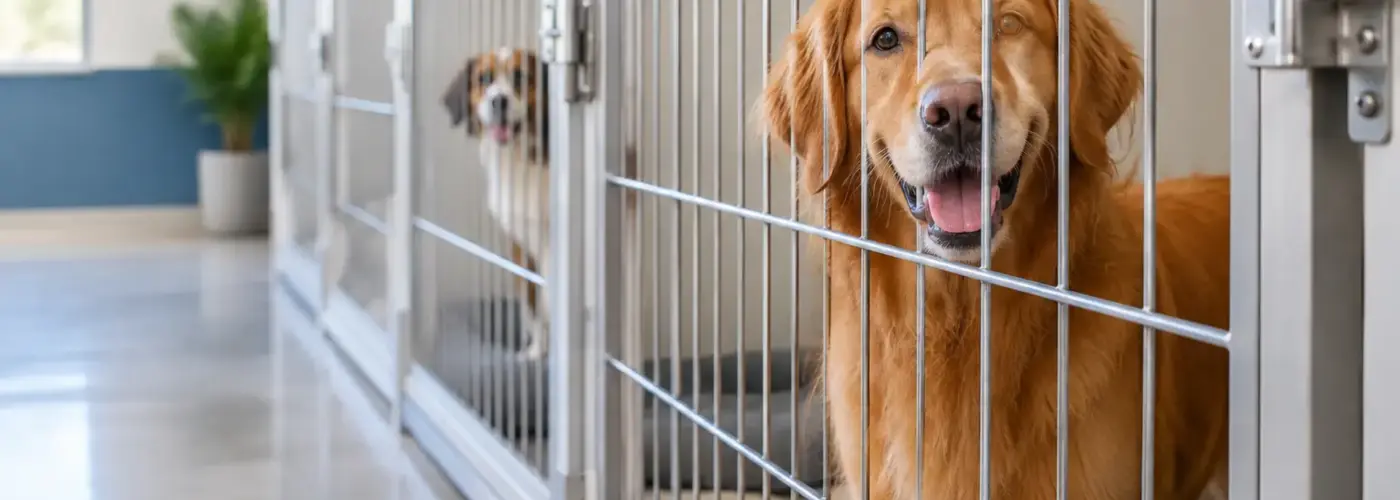
How Long Can Dogs Stay in Kennels Safely?
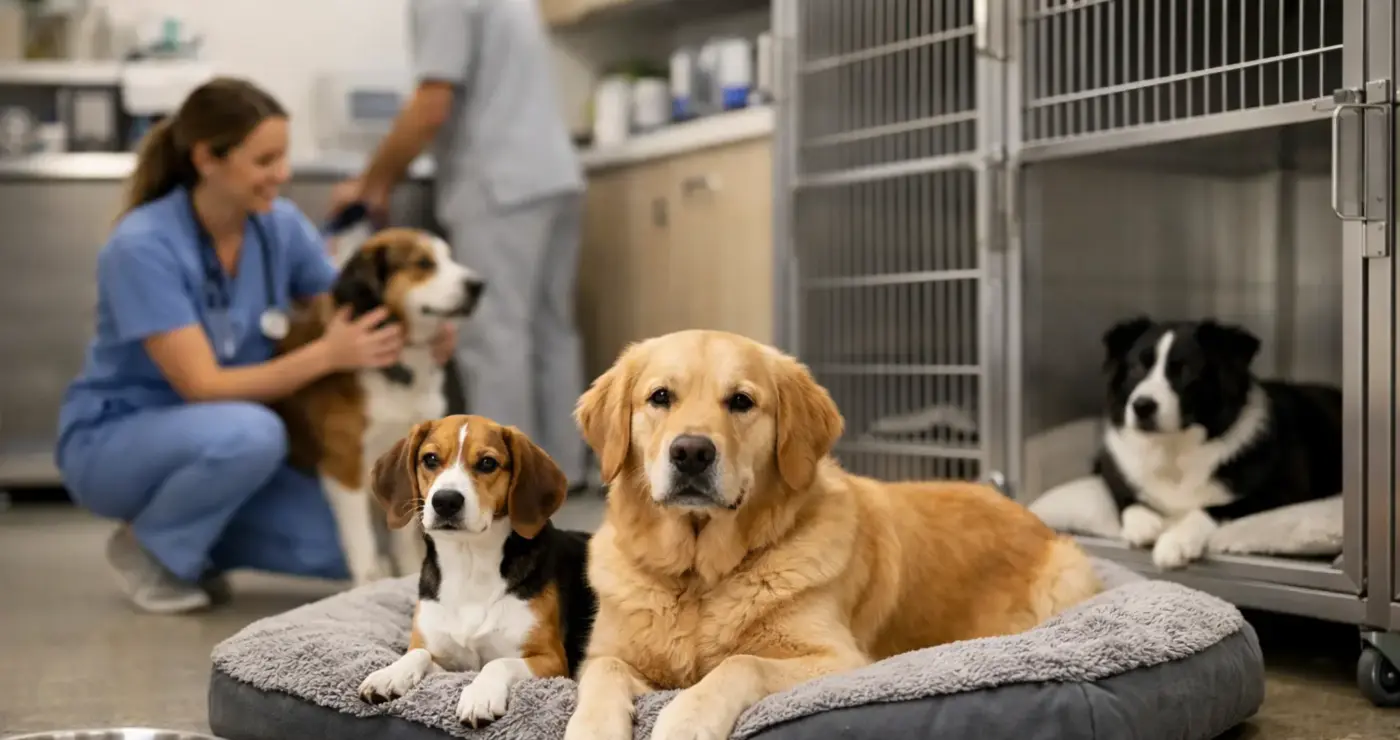
A weekend away can feel like a big step when your dog has never boarded before. Equally, a two-week family holiday can bring a very practical question: how long can dogs stay in kennels without it becoming too much for them? There is no single number that suits every dog. A well-run kennel can care for many dogs comfortably for anything from an overnight stay to several weeks, provided their individual needs, health and temperament are properly considered.
What matters most is not simply the length of the booking. It is the quality and consistency of the care throughout it. Dogs settle best when they have a predictable routine, kind and observant people around them, regular exercise, a clean and comfortable place to rest, and enough attention to feel secure.
How Long Can Dogs Stay in Kennels?
For a healthy, sociable adult dog, a stay of one or two weeks is usually very manageable in a professional boarding kennel that provides proper daily care. Some dogs stay longer when their owners are travelling, relocating or dealing with an unexpected family matter. Longer stays can work well too, but they need closer attention to the dog's routine, wellbeing and ability to settle.
A kennel is not simply somewhere a dog waits until collection day. The right environment gives them structure: meals at familiar times, regular toilet breaks, exercise, rest and human contact. This rhythm is particularly valuable when the household routine they know has temporarily changed.
The answer can be different for a young puppy, an elderly dog, a dog on regular medication, or one that is nervous around unfamiliar people and sounds. These dogs are not necessarily unable to board, but they may need a shorter first stay, more detailed care instructions or a conversation with the kennel before booking. An experienced team will be honest about what is likely to suit your dog.
The First Few Days Matter Most
Most dogs need a little time to understand their new surroundings. Some arrive full of curiosity and settle in by the first evening. Others may be quieter than normal, take a day or two to eat with their usual enthusiasm, or need reassurance before they relax into the routine.
This adjustment period does not automatically mean that boarding is wrong for them. Dogs are creatures of habit, and a change of setting can take a little getting used to. Calm handling, familiar food where appropriate, a comfortable sleeping area and a reliable daily pattern all help make the transition easier.
For first-time boarders, a short trial stay can be a sensible option before a longer holiday booking. An overnight or weekend stay gives your dog the chance to become familiar with the setting and lets the staff learn more about their personality. It can also give you reassurance that they have settled happily before you plan a longer trip.
What Makes a Longer Kennel Stay Comfortable?
A dog can cope with a longer kennel stay far better when their days contain more than meals and a place to sleep. They need the right balance of activity, rest and individual care. Exercise is especially important. It supports physical health, gives dogs something positive to anticipate and helps them relax afterwards.
At Windmill Farm, dogs have their own heated accommodation and individual covered outdoor runs, with twice-daily paddock walks and indoor enrichment toys. This combination matters because dogs have different needs at different points in the day. A lively walk and space to explore are valuable, but so is a quiet, warm area where they can switch off and rest.
Human attention is just as important as the facilities. Kennel staff should notice whether a dog is eating, drinking, toileting and behaving as expected. They should get to know the small details too: whether a dog prefers a gentle fuss before bed, takes time to warm up to new people, or is happiest with a slower-paced walk.
For longer stays, ask how the kennel keeps dogs mentally occupied as well as physically active. Safe toys, interaction with staff and changes of scenery during walks can prevent boredom. The aim is not constant excitement. Most dogs benefit from a calm, satisfying routine that gives them activity without leaving them overstimulated.
Your Dog's Personality Changes the Answer
Two dogs of the same age can have very different boarding experiences. A confident Labrador who enjoys meeting people may settle into kennel life quickly. A sensitive rescue dog may need more time, careful introductions and a quieter approach. Neither is better or worse; they simply need care that recognises who they are.
Older dogs may appreciate shorter walks, extra warmth and bedding, or support with medication. Younger dogs may need more supervision and a little more stimulation. Dogs with medical conditions can often board safely if the kennel understands their treatment plan and has clear veterinary arrangements in place.
If your dog is highly anxious when away from you, has shown distress in previous boarding settings, or has a history of aggression or escape behaviour, be open about it from the start. A responsible boarding provider would rather discuss the right approach beforehand than make promises that do not serve your dog's welfare.
It is also worth thinking about how your dog copes at home. If they regularly stay with relatives, travel well and are comfortable with new people, they may adapt readily. If they have rarely spent a night away from you, build up gradually rather than making their first separation a fortnight long.
Questions to Ask Before Booking Kennels
The best way to judge whether a dog can stay comfortably is to look beyond the number of nights. Visit the kennel if possible and ask practical questions about everyday care. You should be able to get a clear picture of what your dog's day will look like.
Look for answers on these points:
- How often will my dog be exercised, and where will those walks take place?
- Is the accommodation heated, clean and suitable for resting in all weather?
- Will my dog have their own secure space and access to fresh water?
- How are feeding routines, medication and special dietary needs managed?
- What enrichment and personal attention do dogs receive between walks?
- What happens if my dog becomes unwell, and is veterinary support available?
The way a kennel answers is revealing. Clear, straightforward details are reassuring. So is a team that asks you thoughtful questions in return, including what your dog eats, how they behave around other dogs, whether they have allergies and what comforts them at bedtime.
Help Your Dog Settle Before You Leave
A little preparation can make a real difference, particularly for a longer booking. Keep your dog's routine as normal as possible in the days before boarding. Avoid making a sudden change to their food, and make sure the kennel has accurate information about feeding amounts, medication and any behaviour that may affect their care.
Bring what the kennel requests, whether that is food, medication or relevant records. Be clear about the instructions, but try not to make your farewell too drawn out. Dogs often take their cue from us. A calm, positive handover tells them that this is a safe place and that you expect them to be looked after.
It can be tempting to over-pack familiar belongings, but check first. Some kennels provide suitable bedding and prefer to manage personal items carefully for hygiene and safety. If an item is permitted, choose something washable and familiar rather than something precious that could be damaged or lost.
Signs Your Dog Is Coping Well During Boarding
Dogs cannot tell us about their holiday in words, but staff can monitor the signs that matter. A dog who is eating, drinking, resting and enjoying their walks is generally settling well. They may be tired when they come home, especially after the excitement of a new environment and regular outdoor activity, but this should ease as they return to home life.
After collection, give them a quiet evening and access to water. Some dogs sleep deeply after boarding; others are pleased to be home and follow their owners closely for a day or so. These are common responses to a change in routine.
If your dog seems unusually withdrawn, refuses food for an extended period, develops digestive upset, or remains unsettled well after returning home, speak to your vet. You can also discuss the experience with the kennel before any future stay. Small changes, such as a trial night or adjusted feeding routine, may make the next visit easier.
Choosing Care You Can Feel Good About
For many families across Coulsdon, Croydon, Purley and the wider area, boarding is part of making holidays and necessary trips possible. The right kennel should give you more than a secure place for your dog to sleep. It should offer a setting where their days are planned, their comfort is taken seriously and their individual character is noticed.
A longer stay is not defined by a strict number of days. It is defined by whether your dog has the routine, exercise, rest, supervision and reassurance they need to feel settled. When you have chosen a caring, well-equipped boarding kennel and prepared your dog thoughtfully, you can leave knowing their own little holiday is in capable hands.
Posted: 07th October 2026
Why Choose Windmill Farm?
Here at Windmill Farm we understand how much your pets mean to you and so we want you to be confident that choosing us to house your pets is the best decision. Your stay at Windmill Farm will benefit from...
- Very friendly, family run business
- Established for over 60 years
- Surrounded by 15 acres of land
- Nestled in the Surrey countryside
- Dog pick up and collection service
- 24 hour on-call veterinary services
- Covered outside runs and plenty of toys
- All kennels and catteries are fully heated