A Guide to Pet Transport Safety for Dogs and Cats
The journey can set the tone for everything that follows. Whether you are taking a puppy to their first vet appointment, collecting your cat after a stay away, or heading off for a family holiday, a little preparation makes a real difference. This guide to pet transport safety is designed to help dogs and cats travel securely, comfortably and with as little stress as possible.
Pets do not understand why their familiar routine has changed. The noises, movement and enclosed space of a vehicle can feel strange, particularly for young, nervous or less-travelled animals. Your job is not to make every journey exciting. It is to make it calm, predictable and safe.
Start with the right travel space
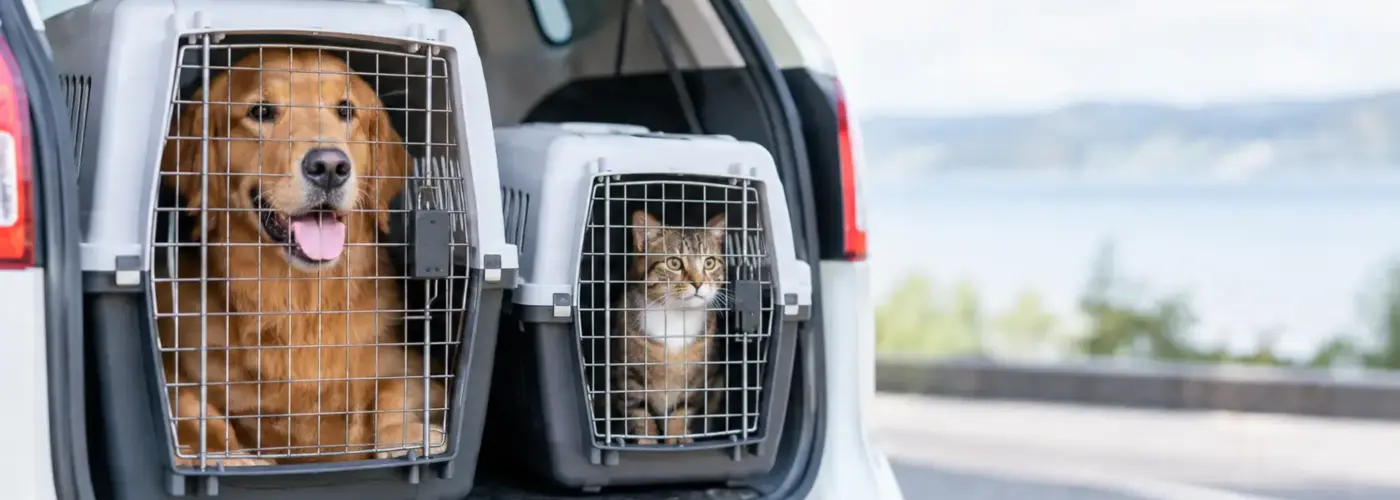
A pet should never travel loose in a car. A sudden stop, sharp corner or unexpected distraction can turn a short journey into a serious risk for everyone in the vehicle. More importantly, a secure space often helps an animal feel more settled because it prevents them from sliding about or trying to find somewhere to hide.
For dogs, a well-fitted crate, secure boot guard with an appropriate harness, or a car safety harness attached as instructed can work well. The best option depends on your dog’s size, age and confidence. A crate is often particularly useful for dogs that already see it as a familiar resting place, while some dogs prefer the extra visibility of a harness arrangement.
Cats should travel in a sturdy, properly ventilated carrier that closes securely. A hard-sided carrier is usually easier to clean and offers good protection, but a high-quality fabric carrier may suit a relaxed cat on a short journey. Whichever you choose, make sure it is large enough for your cat to stand, turn around and lie down comfortably, without being so large that they slide from side to side.
Place the carrier or crate on a stable, level surface and secure it so it cannot move. A carrier balanced on a passenger seat or left loose in the boot is not enough. Check the fitting before every journey, not just when you first buy the equipment.
A guide to pet transport safety begins at home
The safest journey is often the one that has been rehearsed. Do not wait until the morning of a long trip to introduce a new carrier, harness or crate. Leave it open at home with familiar bedding inside and allow your pet to explore it in their own time. A favourite blanket can provide a reassuring scent, especially for cats and for dogs travelling to boarding.
For dogs, begin with a few minutes sitting calmly in the parked car, then build up to short, quiet drives. Keep your manner relaxed and offer gentle praise when they settle. The aim is to help your dog learn that getting into the car does not always lead to something worrying.
Cats may need more patience. Rather than chasing or forcing them into the carrier, encourage them to see it as a normal part of the home in the days beforehand. Feeding treats near it, then inside it, can help. If your cat becomes distressed, allow more time where possible. Rushing usually makes the next attempt harder.
Avoid feeding a large meal immediately before travel, particularly if your pet is prone to travel sickness. Most healthy adult pets are comfortable travelling after a light meal given with enough time to settle. Very young animals, older pets and those with medical conditions may need a different plan, so ask your vet for advice before a longer journey.
Keep the vehicle calm and comfortable
Fresh air and a suitable temperature matter more than many owners realise. Cars can heat up quickly, even on mild days, and temperatures can drop sharply in cold weather. Never leave a dog or cat unattended in a parked vehicle. Opening a window slightly is not a safe substitute for supervision.
Before setting off, make sure your pet is dry, comfortable and has had the chance to toilet. For dogs, this may mean a calm lead walk rather than an energetic run that leaves them overexcited. For cats, ensure the carrier is lined with an absorbent pad or familiar towel in case of an accident.
Keep the vehicle quiet. Loud music, strong air fresheners and lots of excited voices can be overwhelming. Cats generally benefit from having their carrier partly covered with a light, breathable cloth, provided ventilation remains clear. Many dogs are more comfortable if they can see their owner, but avoid allowing them to put their head out of an open window. Flying debris, cold air and sudden braking can all cause injury.
On longer drives, plan regular breaks for dogs. Stop somewhere safe, away from busy roads, and keep your dog on a secure lead before opening any door. Even a normally reliable dog can bolt in an unfamiliar place when startled. Cats are usually safer staying inside their carrier until you have reached a secure indoor destination.
Pack for the journey, not just the destination
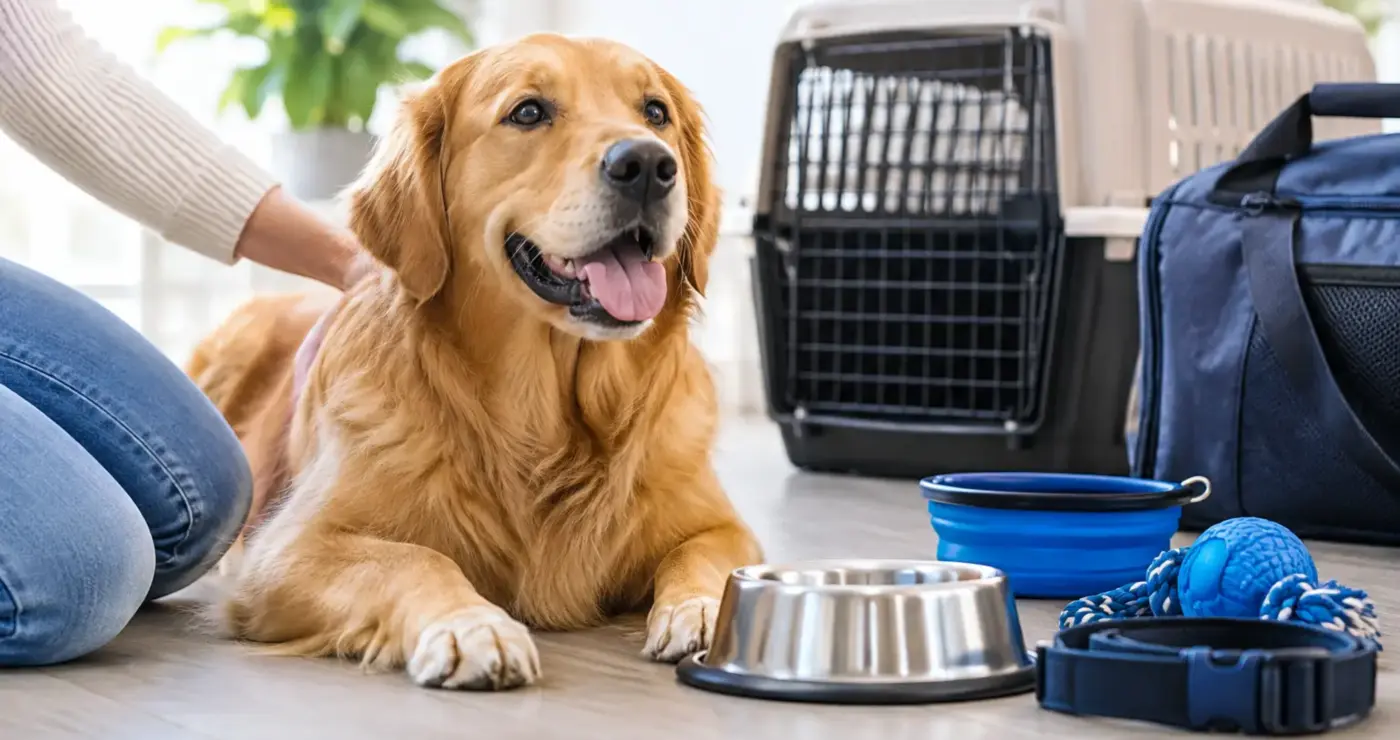
For a short local trip, you may only need the essentials. A longer journey, collection appointment or move to boarding calls for a little more thought. Keep a small travel bag within reach rather than packed under everything else.
Useful items include:
- A lead, collar and correctly fitted identification tag for dogs
- Water and a travel bowl, especially in warm weather or on longer trips
- Bedding or a towel carrying a familiar home scent
- Waste bags, cleaning wipes and an absorbent spare towel
- Any medication, along with clear written instructions where another person will be caring for your pet
- Your vet’s details and a recent photograph of your pet, just in case
Identification is a quiet but vital part of pet transport safety. Check that your dog or cat’s microchip details are current before travelling, especially if you have recently moved or changed your telephone number. If a pet escapes in an unfamiliar area, accurate information gives you the best chance of being reunited quickly.
Watch for signs that your pet needs help
Some pets are naturally quiet in the car, while others vocalise, pant or become restless. Mild unease may improve with practice, but intense anxiety should not be ignored. Excessive drooling, repeated vomiting, trembling, frantic scratching at the carrier, laboured breathing or collapse are signs to stop safely and seek veterinary advice.
Do not use sedatives or calming products without discussing them with your vet. What helps one pet may not be appropriate for another, particularly if they are very young, elderly, pregnant or receiving treatment. Medication can also affect balance, temperature regulation and breathing during travel.
If travel sickness is a recurring issue, your vet can advise on suitable options. It may also help to change the journey itself: drive more smoothly, avoid winding routes where possible, keep the car cool and build confidence through shorter trips. There is rarely one answer for every animal.
Arriving safely matters too
When you reach your destination, resist the urge to open the carrier or car door immediately. Park safely, check all doors and gates are closed, and bring your pet into a calm, secure area first. Dogs may need a short lead walk and a drink of water before they can settle. Cats often prefer to remain in their carrier while they take in the new smells and sounds.
If your pet is arriving for a boarding stay, provide the team with accurate feeding, medication and temperament information. A familiar blanket or toy may help some pets settle, although it is worth checking what the boarding provider can safely accept. Clear handover details allow staff to continue the routine that makes your pet feel most secure.
For owners travelling from Coulsdon, Purley, Croydon or the surrounding area, choosing a boarding provider with organised collection and delivery options can also reduce the pressure of an already busy departure day. At Windmill Farm, thoughtful routines, secure accommodation and individual attention are part of helping each guest feel at home from the moment they arrive.
A calm journey is not about getting from A to B as quickly as possible. It is about giving your pet a secure space, enough time and the reassurance of your steady presence. Those small preparations help them arrive ready to rest, explore or begin their stay with confidence.
Posted: 08th November 2026
Why Choose Windmill Farm?
Here at Windmill Farm we understand how much your pets mean to you and so we want you to be confident that choosing us to house your pets is the best decision. Your stay at Windmill Farm will benefit from...
- Very friendly, family run business
- Established for over 60 years
- Surrounded by 15 acres of land
- Nestled in the Surrey countryside
- Dog pick up and collection service
- 24 hour on-call veterinary services
- Covered outside runs and plenty of toys
- All kennels and catteries are fully heated


