
A Guide to Boarding Rescue Dogs with Confidence
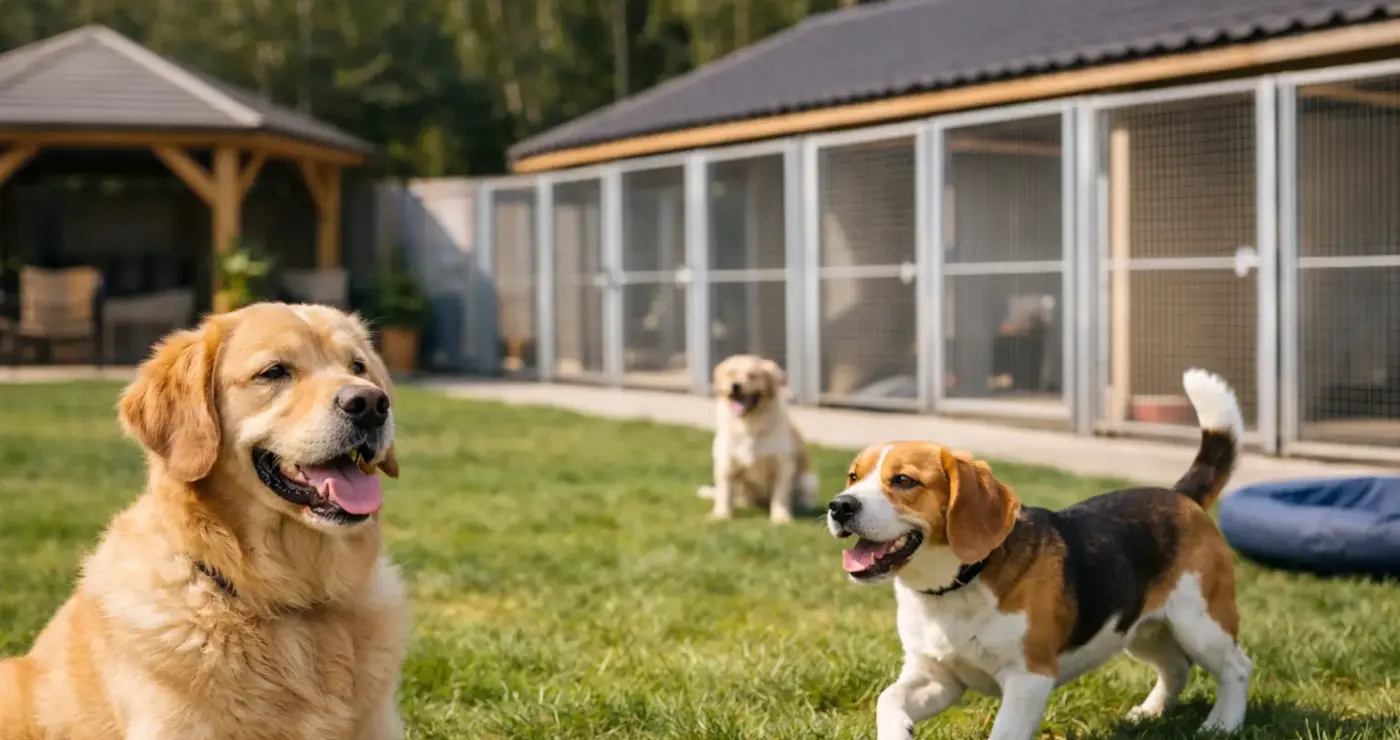
Some rescue dogs greet a new place with a wag and a sniff. Others may become quiet, clingy, over-excited or watchful. Neither response means they cannot enjoy a kennel stay. This guide to boarding rescue dogs is about preparing for their individual needs, choosing care with the right structure, and giving them time to learn that boarding can be safe, predictable and pleasant.
For many owners, the worry is not whether their dog will be fed and walked. It is whether someone will notice the smaller things: the dog who takes longer to settle at night, the one who is uneasy around unfamiliar dogs, or the one whose confidence depends on a familiar routine. Those are sensible questions to ask before arranging a stay.
Why rescue dogs can need a different approach
A rescue dog’s past may be partly known, or it may be a blank space. What matters most is the dog in front of you now. A dog may have spent time in several homes, had limited early socialisation, or simply found previous changes difficult. Equally, many adopted dogs are sociable, adaptable and delighted by new experiences.
Boarding is a change in sights, sounds and routine. There are new people, other dogs nearby, feeding at set times and nights away from home. A well-run kennel reduces the uncertainty by providing calm handling, consistent daily care and clear separation between dogs when they are resting. It does not need to imitate home exactly to be reassuring. In fact, a settled routine can be especially helpful for dogs who like to know what happens next.
Avoid assuming that a rescue background automatically makes a dog unsuitable for boarding. The more useful question is: what does your dog need to feel secure? It might be quiet introductions, a particular feeding arrangement, space from other dogs, medication, or extra reassurance when they first arrive.
A guide to boarding rescue dogs: start before the holiday
The best first stay rarely begins at drop-off. Give yourself enough time to research, ask questions and let the kennel team get to know the essentials about your dog. Booking early also gives you more choice around busy school holiday periods.
Be open about behaviour without apologising for it. Explain whether your dog is nervous with strangers, reactive on lead, protective of food, unsettled by loud noises or unused to being left alone. Mention what helps them recover: a calm voice, a little distance, a treat after a walk, or time to watch before joining in. Good information allows staff to plan safely and kindly.
It also helps to keep your dog’s home routine steady in the days before boarding. Sudden changes to meals, exercise or sleeping arrangements can make it harder to tell whether any anxiety is due to boarding or simply a disrupted week. Keep preparations matter-of-fact. Dogs often notice when packing and goodbyes become emotional events.
Arrange a visit if it is available
A visit lets you look beyond a polished photograph. Notice whether the accommodation is clean, secure and well maintained, but also whether staff speak about dogs as individuals. Ask how dogs are exercised, where they rest, how they are monitored and what happens if a dog seems worried or unwell.
For a rescue dog, individual accommodation with an attached covered outdoor run can offer a useful balance. They can have their own space rather than being expected to cope with constant contact, while still seeing and smelling the world around them. Heated sleeping areas matter too, particularly for older dogs, short-coated breeds and those who are less settled in unfamiliar surroundings.
At Windmill Farm, dogs have heated accommodation, individual covered runs, indoor toys and twice-daily paddock walks. Details such as these are not luxuries for their own sake. They help create a day with rest, movement, interest and dependable human care.
Consider a short trial stay
A single overnight stay before a longer holiday can be a sensible option, particularly for a newly adopted dog or one with a history of separation worries. It gives staff a chance to see how your dog eats, sleeps and settles, and it gives you practical information for the future.
A trial is not a pass-or-fail test. Some dogs are quieter than usual on their first night and brighten up on the second visit. Others settle immediately. The aim is to build familiarity gradually, not to expect perfection.
What to tell the boarding team
Written notes are useful, but keep them focused. Staff need clear, practical information they can use during a busy day. Include feeding amounts and timings, medications and how they are given, veterinary details, emergency contacts, known allergies, and any handling sensitivities.
Describe your dog’s communication as well. Does a tucked tail mean they need space? Do they settle better after a slow sniffing walk? Are they comfortable with a towel dry after rain? If they dislike other dogs approaching their run, say so plainly. Clear information protects your dog and helps staff make good decisions from the moment they arrive.
Bring their usual food where requested. A sudden diet change can upset any dog’s stomach, and familiar food is one less adjustment for a dog in a new environment. Ask the kennel in advance what bedding, toys or comfort items they recommend. A familiar-smelling blanket may be soothing for some dogs, but safety and cleaning requirements need to come first.
Choosing care that supports confidence
The right kennel is not necessarily the quietest or the most lavish. It is the one with standards that suit your dog. For a rescue dog, consistency is often more valuable than constant activity. Ask how the team manages exercise, rest periods, feeding, medication and contact between dogs.
A countryside setting can be a real advantage when it comes with organised supervision. Space alone is not a care plan. Dogs need secure accommodation, appropriate exercise and staff who can read behaviour. Twice-daily walks in a paddock may suit a dog who enjoys movement and fresh air, while their own run gives them time to decompress afterwards.
Veterinary arrangements should be clear as well. You hope they will never be needed, but 24-hour veterinary standby support provides reassurance if a dog becomes unwell or has an unexpected problem. Check how you would be contacted and whether the team can administer prescribed medication.
If your dog is highly distressed when apart from you, has a history of biting, or cannot safely be handled by unfamiliar people, speak honestly to a qualified behaviour professional and the boarding provider before booking. Kennel boarding may still be possible with a carefully agreed plan, but sometimes another arrangement is kinder. The right decision depends on the individual dog, not a label such as “rescue”.
Making drop-off easier on the day
Give your dog a normal walk before setting off, allowing plenty of time for sniffing and toileting. Arrive calmly, follow the staff’s check-in process and avoid drawing out the farewell. A cheerful, brief goodbye is often easier for a dog than repeated returns to the car or anxious reassurance.
Your own nerves are understandable. Still, try to let the team take over with confidence. They have a routine for arrivals, and your dog benefits from seeing that the handover is ordinary and safe. If you have left clear instructions and chosen a kennel you trust, there is no need to test whether your dog will follow you back out of the gate.
During the stay, resist the temptation to judge success only by whether your dog behaves exactly as they do at home. They may sleep more, eat a little differently on the first day, or be very excited when you collect them. Look instead for the bigger picture: are they comfortable, well cared for and able to settle into the routine?
After collection: give them time to come home
Many dogs sleep deeply after boarding. Others drink more, follow their owner around the house or seem briefly more energetic. A quiet evening, normal meals and their usual routine are usually all they need. Avoid packing the first day home with visitors, long outings or training demands.
If staff mention that your dog was slower to eat, unsure at first or especially fond of a particular routine, make a note for the next stay. Each boarding visit can teach everyone more about what helps your dog feel at ease.
A rescue dog does not need to forget their past to have a happy stay away from home. With honest preparation, patient care and a boarding routine built around safety and comfort, they can learn that a kennel is simply another place where good people meet their needs until you return.
Posted: 14th November 2026
Why Choose Windmill Farm?
Here at Windmill Farm we understand how much your pets mean to you and so we want you to be confident that choosing us to house your pets is the best decision. Your stay at Windmill Farm will benefit from...
- Very friendly, family run business
- Established for over 60 years
- Surrounded by 15 acres of land
- Nestled in the Surrey countryside
- Dog pick up and collection service
- 24 hour on-call veterinary services
- Covered outside runs and plenty of toys
- All kennels and catteries are fully heated


