
Dog Boarding Versus Pet Sitter: Which Fits?
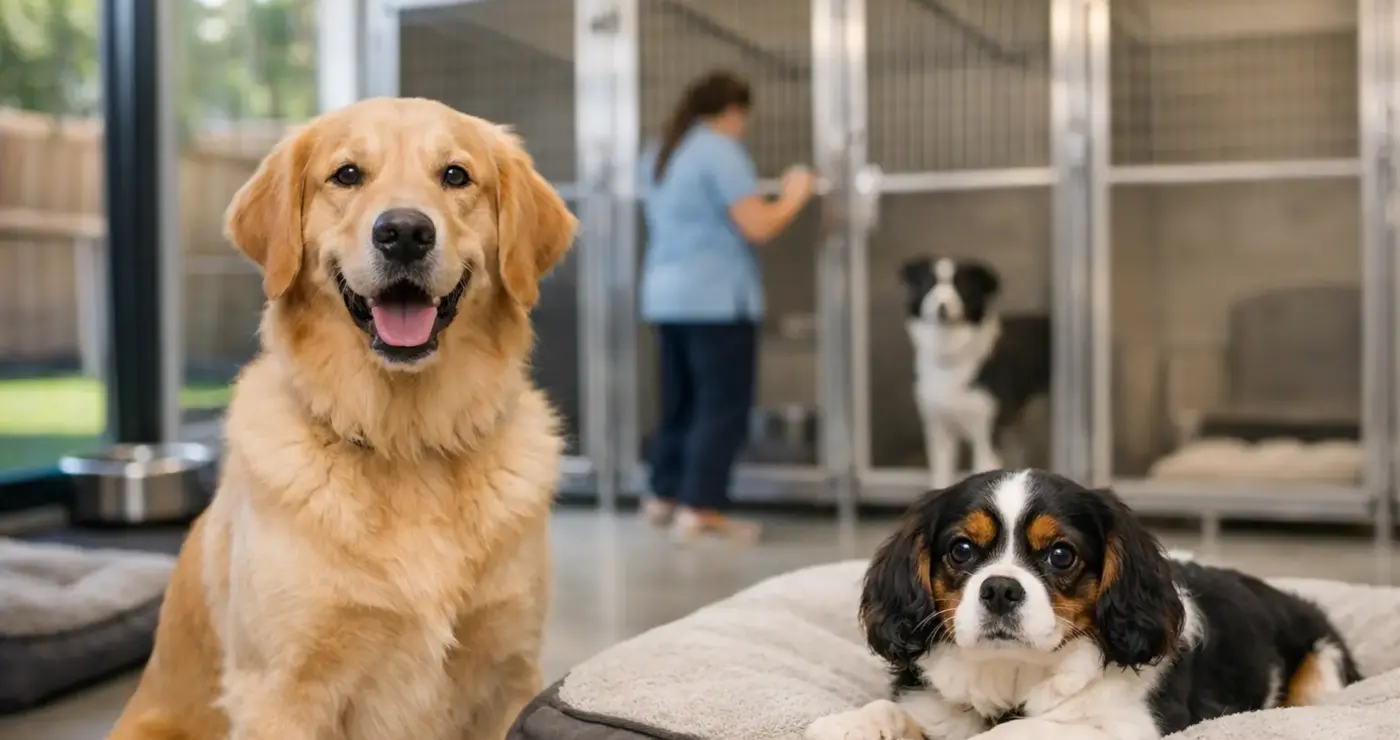
Your dog has a holiday routine of their own: breakfast at a familiar time, favourite spots to sniff, a preferred sleeping place and the reassurance of people nearby. When you are due to be away, the choice between dog boarding versus pet sitter care is not simply about convenience. It is about choosing the setting in which your dog is most likely to feel safe, settled and properly cared for.
Both options can work well. A thoughtful sitter can be a lovely fit for some dogs, while professional boarding offers structure, company and dependable supervision that many dogs enjoy. The right choice depends on your dog’s nature, your plans and the standard of care available.
Dog boarding versus pet sitter: the main difference
A pet sitter normally visits your home once or several times a day, or in some cases stays in your home while you are away. Your dog remains in their own surroundings, with their own bed, garden and familiar scents. This can be particularly comforting for a dog who finds travel difficult or has a well-established home routine.
Dog boarding means your dog stays at a dedicated boarding establishment for the duration of your trip. A good kennel is not merely a place for a dog to wait until collection. It should provide a managed daily routine, suitable accommodation, exercise, enrichment and staff who are focused on animal care throughout the day.
The key distinction is supervision. With drop-in sitting, there can be long stretches between visits, depending on the arrangement. In boarding, staff are present to observe appetite, energy, toileting habits and general behaviour as part of the day. For owners travelling abroad, working long hours away from home, or needing certainty around collection arrangements, that level of oversight can bring real peace of mind.
When a pet sitter may be the better choice
A sitter may suit a calm, independent dog who is comfortable spending quiet periods at home and does not become distressed when left alone. It can also be useful where a household has several animals with very different needs, particularly if caring for them all in the home is the least disruptive option.
The quality of the individual arrangement matters greatly. Ask how long each visit will be, whether walks are included, who will provide cover if the sitter becomes unwell, and what happens if your dog is sick or escapes from the garden. A sitter who only calls in briefly morning and evening may not be suitable for a sociable dog used to regular companionship and exercise.
Home care also requires trust in someone having access to your property. Some owners are entirely comfortable with this, while others would rather their dog be cared for in a secure, purpose-built environment. Neither feeling is wrong, but it is worth being honest about what will allow you to relax while away.
Why some dogs thrive in boarding
Dogs often settle well into boarding when their days are clear and consistent. There is a predictable rhythm of meals, cleaning, rest, exercise and human contact. For many dogs, especially those who enjoy activity and attention, a change of scene can feel like an enjoyable break rather than a disruption.
The best boarding facilities build routine around individual care. At Windmill Farm, for example, dogs have heated accommodation, their own covered outdoor runs, indoor toys and twice-daily paddock walks across the farm setting. These details matter because a dog’s stay should include opportunities to move, explore and switch off, not just time in a kennel.
Boarding can be an especially practical choice for young, energetic dogs that need more than a quick lead walk, as well as dogs whose owners are away for several days. It also avoids the uncertainty of relying on a neighbour or friend whose availability may change at short notice.
That said, not every boarding setting is equal. A dog who has previously struggled in a busy or poorly managed kennel should not be expected to cope simply because it is called boarding. Visit beforehand, ask direct questions and look for calm handling, clean accommodation and staff who take time to understand each dog.
Consider your dog’s temperament, not just their habits
Owners sometimes assume a nervous dog must stay at home. Familiar surroundings can certainly help, but some anxious dogs are actually more settled with steady professional care than with a house that is empty for much of the day. Equally, a highly social dog may find a home sitter’s short visits disappointing, even if the house itself is familiar.
Think about how your dog responds to new places, car journeys, boarding introductions and time with people outside the family. Consider whether they are comfortable resting alone between activities, and whether they need medication, close monitoring or a carefully managed diet.
A first-time boarder may benefit from a short trial stay before a longer holiday booking. This gives staff the chance to learn their preferences and gives you a clearer sense of how they settle. Sending familiar food, clear feeding instructions and a comfort item where permitted can also make the transition easier.
Questions to ask before choosing either option
The same principle applies whether you choose a sitter or a boarding kennel: do not settle for vague reassurance. You should be able to understand exactly who is responsible for your dog, what their normal day looks like and how problems are handled.
For boarding, ask about exercise frequency, overnight arrangements, heating, individual accommodation, cleaning procedures, enrichment and veterinary support. Find out how staff manage dogs who are reluctant to eat, appear unsettled or need medication. A visit is valuable because you can see the environment for yourself and judge whether it feels calm, secure and well maintained.
For a pet sitter, clarify how many visits your dog will receive, their length, what happens between visits and whether your dog will ever be left overnight. Check whether the sitter is insured, has emergency contacts and has a back-up plan. It is also sensible to arrange a meeting and walk before committing, so you can see how they communicate with your dog.
In either case, leave detailed written information. Include feeding amounts, medication, veterinary contact details, microchip information, allergies, walking habits and anything that may make your dog uncomfortable. Clear information helps carers make good decisions quickly if needed.
Match the arrangement to your trip
A one-night stay close to home may call for a different solution from a fortnight abroad. If your travel involves long flights, limited phone access or the chance of delays, professional boarding can provide reassurance that your dog has continuous care in place. There is no need for a sitter to squeeze extra visits into an already busy day or for a friend to take over unexpectedly.
For a short absence, home sitting may be perfectly suitable if your dog knows the sitter well and will receive sufficient time, exercise and attention. For a longer holiday, assess whether the practical reality of home visits will meet your dog’s needs every day, not just on the first day.
Cost is naturally part of the decision, but it should not be the only measure. Compare what is included: walks, food arrangements, administration of medication, transport, holiday cover and the amount of direct care. The cheapest arrangement can become poor value if it leaves a dog lonely, under-exercised or without a dependable plan when something changes.
Give your dog a confident handover
Dogs take cues from us. Keep the drop-off or sitter handover calm and matter-of-fact rather than making it a long, emotional goodbye. Bring the agreed items, share the essential information and allow the carers to take the lead.
Whether your dog stays at home or enjoys a countryside boarding break, choose the people and place that give you confidence before you leave. That confidence is often the best sign that you have made a kind, sensible arrangement for a much-loved member of the family.
Why Choose Windmill Farm?
Here at Windmill Farm we understand how much your pets mean to you and so we want you to be confident that choosing us to house your pets is the best decision. Your stay at Windmill Farm will benefit from...
- Very friendly, family run business
- Established for over 60 years
- Surrounded by 15 acres of land
- Nestled in the Surrey countryside
- Dog pick up and collection service
- 24 hour on-call veterinary services
- Covered outside runs and plenty of toys
- All kennels and catteries are fully heated