Cat Boarding Versus House Sitting for Your Cat
Leaving a cat behind is rarely as simple as packing their food and handing over a key. When weighing up cat boarding versus house sitting, the best choice comes down to your cat’s temperament, the standard of care available and how much certainty you need while you are away. Some cats settle beautifully in their own familiar home; others benefit from the consistent attention, routine and safeguards of a professional cattery.
Cat boarding versus house sitting: the key difference
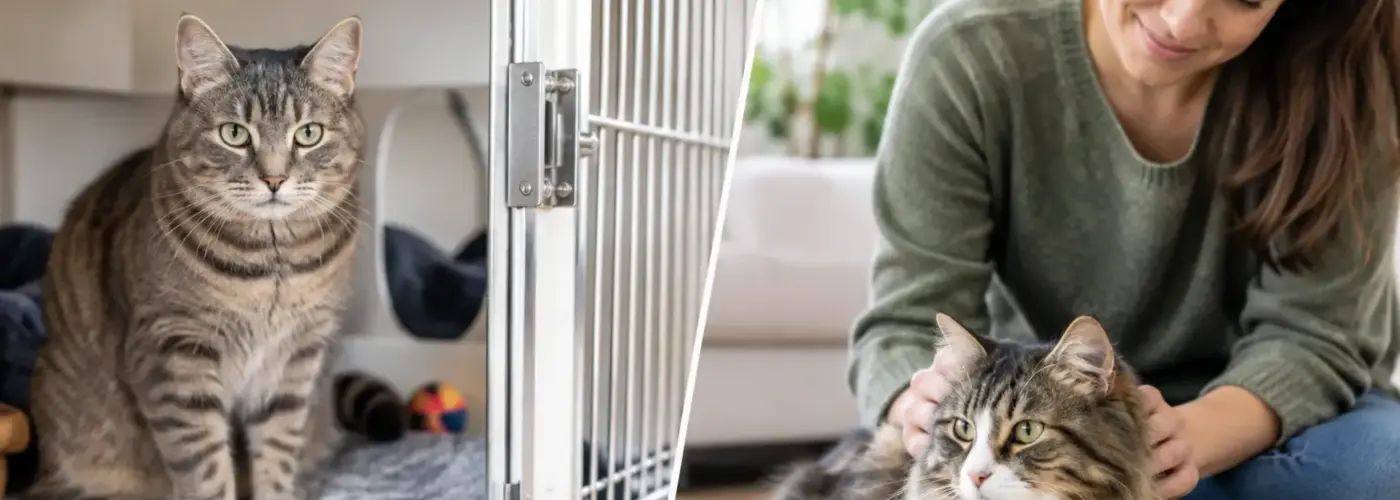
House sitting keeps your cat in their usual territory. A sitter may visit once or twice a day, or stay in your home full-time, depending on the arrangement. For cats who are strongly attached to their surroundings and become unsettled by travel, this can be a good option. Their bed, scent, feeding station and favourite windowsill all remain exactly where they expect them.
Cat boarding takes your pet to a purpose-built cattery for the duration of your trip. A good cattery provides an individual, secure suite, regular feeding and cleaning, daily observation and staff who are focused on the animals in their care throughout the day. It is a different environment, but one designed around safe, comfortable short-term stays.
The distinction matters because “house sitting” can mean very different things. A reliable live-in sitter offers far more presence than someone calling in briefly to top up food and scoop a litter tray. Before deciding, be clear about the hours of care your cat will actually receive, not simply the label attached to the service.
When staying at home may suit your cat
A calm, healthy adult cat that dislikes strangers and changes to its environment may be happier at home, particularly when cared for by someone it already knows. This can work well if a neighbour, friend or experienced sitter is genuinely dependable and can keep to your cat’s normal feeding, medication and play routine.
Home care may also be preferable for a household with several cats who are closely bonded. Moving them all can be more disruptive than maintaining their established group in familiar rooms. Cats with outdoor access require particular thought too. A sitter needs clear instructions about whether they may go outside, when they should be brought in and what to do if they fail to return as expected.
There are practical considerations. A short visit can cover the basics, but it cannot provide companionship for much of the day or spot every small change in behaviour. If your cat goes off their food, becomes withdrawn, vomits or develops a litter tray issue between visits, the response may be delayed. That does not make house sitting unsuitable, but it does mean the quality and availability of the individual sitter are central to the decision.
Why professional cattery boarding reassures many owners
For many owners, the main benefit of boarding is knowing there is a structured care plan rather than relying on an arrangement that may change at short notice. Cats are checked regularly, meals are served to schedule and their wellbeing is observed by people who understand what normal behaviour looks like in a boarding environment.
This is particularly reassuring for cats needing daily medication, close monitoring or a carefully controlled diet. A professional boarding team should take clear instructions before the stay, record feeding requirements and have an agreed plan if a cat appears unwell. Veterinary access and emergency procedures are worth asking about before you book, rather than discovering the answer from afar.
A well-run cattery also removes worries about home security. There is no need for someone to have repeated access to your house, no concern over missed visits because a sitter is delayed, and no question of an outdoor cat wandering off while you are away. Your cat stays securely within their allocated accommodation, with their care managed in one place.
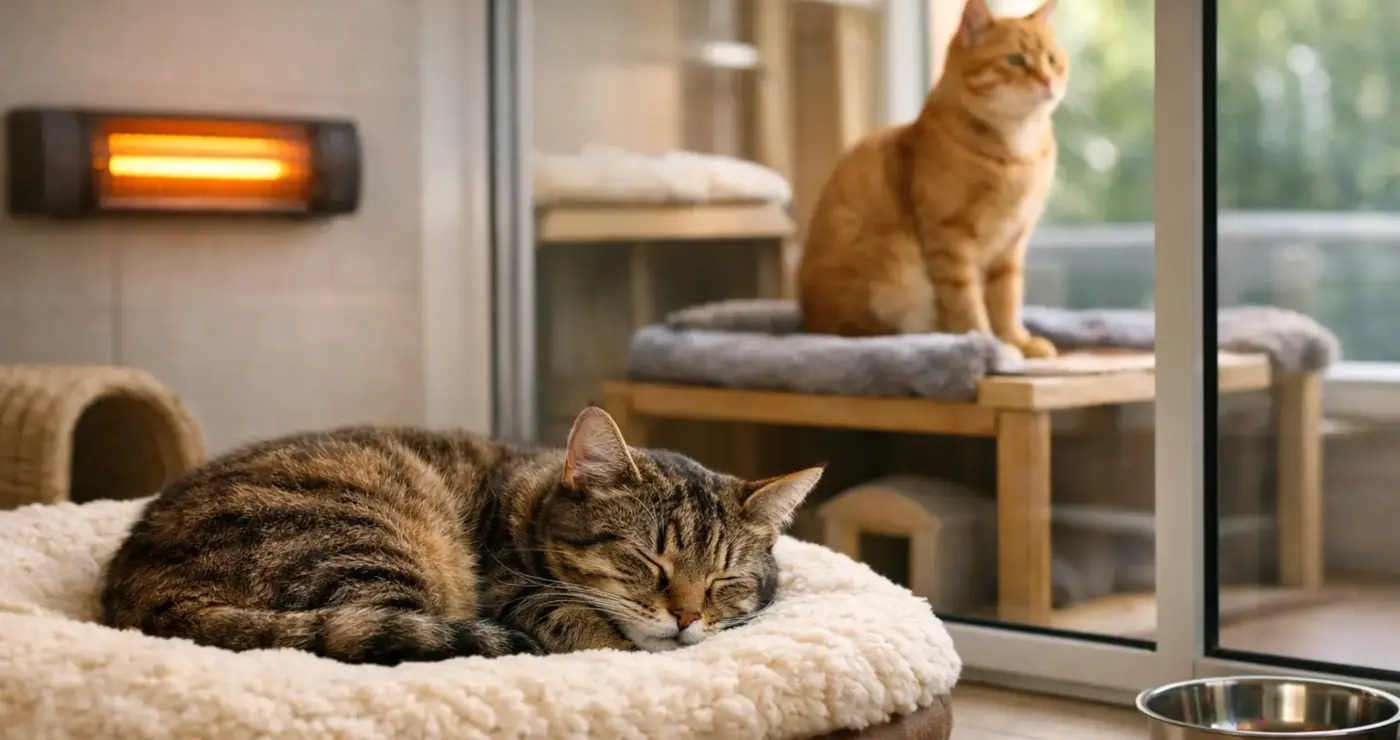
At Windmill Farm, cats stay in heated cattery accommodation with indoor enrichment toys and attentive daily care. For owners travelling from Coulsdon, Purley, Croydon and nearby areas, a visit before booking can make the choice feel far less daunting. Seeing the accommodation, meeting the people responsible and asking direct questions gives you a better sense of whether the setting will suit your cat.
A new setting does not have to mean a stressful stay
Cats do notice a change of surroundings, and it would be wrong to pretend every cat walks into a cattery feeling instantly at home. The first day can involve hiding, watching quietly or eating less than usual. Experienced carers expect this and give cats time and space to settle at their own pace.
The quality of the environment makes a genuine difference. A clean, warm suite, a quiet routine, familiar food and bedding that smells of home can all help. Bringing a small blanket or an unwashed T-shirt, where permitted, can offer a reassuring familiar scent. For a cat that has boarded before, a consistent cattery and similar routine from one stay to the next can become reassuringly familiar.
Think about your cat, not just the convenience
The most convenient option for you is not always the one that best suits your cat. Ask yourself how they respond when visitors arrive, when they travel in the carrier and when their daily routine changes. A sociable, adaptable cat may cope very well with boarding. A shy cat may still board successfully, but will need patient staff, a calm suite and time to settle.
Age is relevant, but it is not the whole answer. A confident older cat may be perfectly comfortable in a familiar professional cattery, while a young, active cat left at home with brief visits may become bored or destructive. Kittens, elderly cats and cats with known health conditions all benefit from a care arrangement with clear supervision and a reliable contingency plan.
It also helps to be honest about your own peace of mind. If you are likely to spend your holiday wondering whether the sitter arrived, whether the food was eaten or whether a message has been missed, professionally managed boarding may be the better fit. Reassurance is not a luxury when a family pet is in someone else’s care.
Questions worth asking before you decide
Whether you choose a sitter or a cattery, look beyond a friendly first impression. Ask how often your cat will be seen, who is responsible if the usual carer is unavailable and how updates will be handled. Find out what happens if your cat refuses food, needs a vet or shows signs of stress.
For house sitting, establish whether the sitter will stay overnight or make timed visits, and whether they are caring for other animals at the same time. Confirm that doors and windows will be kept secure, especially if your cat is normally indoors. Put feeding amounts, medication, litter preferences and emergency contact details in writing.
For boarding, ask to see the accommodation. Look for cleanliness, warmth, secure individual spaces and a calm atmosphere. Check how meals and medication are managed, whether cats from different households are kept separate, and what veterinary support is available. A good cattery will welcome sensible questions because careful owners are exactly the people who want their cats cared for properly.
Make the transition easier
Whichever route you choose, preparation makes a difference. Keep food consistent where possible, provide clear written instructions and leave an emergency contact who can make decisions if needed. Avoid changing your cat’s diet or introducing a major new routine just before you go away.
For a first boarding stay, do not make the carrier appear only on departure day. Leave it open at home with a familiar blanket inside, so it does not signal an immediate trip to the vet. Pack any approved comfort item, medication in its original packaging and enough detail for carers to understand your cat’s normal habits.
The right care arrangement is the one that gives your cat calm, dependable attention while allowing you to leave with confidence. Take time to meet the person or team involved, trust the evidence rather than assumptions, and choose the setting where your cat’s everyday needs will be noticed and met.
Posted: 18th November 2026
Why Choose Windmill Farm?
Here at Windmill Farm we understand how much your pets mean to you and so we want you to be confident that choosing us to house your pets is the best decision. Your stay at Windmill Farm will benefit from...
- Very friendly, family run business
- Established for over 60 years
- Surrounded by 15 acres of land
- Nestled in the Surrey countryside
- Dog pick up and collection service
- 24 hour on-call veterinary services
- Covered outside runs and plenty of toys
- All kennels and catteries are fully heated


