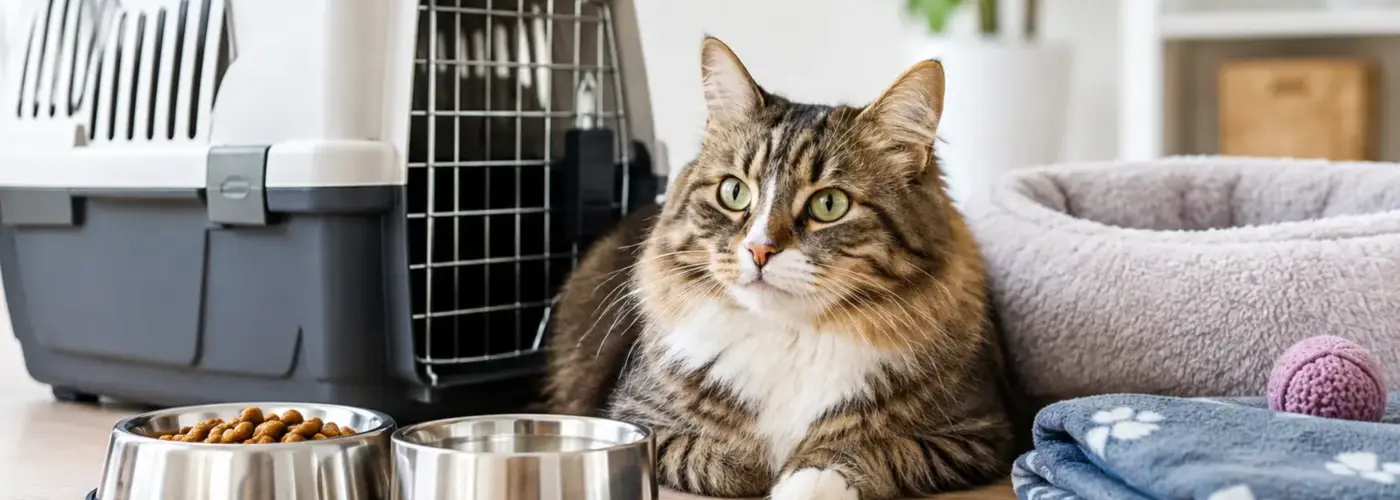
Essentials for Cat Boarding Before You Book

Cats rarely show excitement about a suitcase appearing by the door. They notice the small changes first: a different routine, drawers left open, favourite blankets being moved. That is why the essentials for cat boarding are not simply a carrier and a booking date. The right preparation helps your cat arrive feeling secure, while the right cattery gives them the quiet, comfort and individual attention they need while you are away.
A good stay should feel like a carefully managed change of scene, not an unsettling interruption. For first-time boarders especially, a little planning can make a meaningful difference.
Essentials for cat boarding: start with health and paperwork
Most professional catteries will require up-to-date vaccinations before accepting a cat. This protects your own pet and the other cats staying nearby. Check the cattery's requirements well ahead of your holiday, as some vaccination courses need to be completed within a particular timeframe before boarding.
Bring your vaccination record and be open about any health conditions, recent treatment or changes in behaviour. If your cat needs medication, explain exactly what it is, when it is given and the easiest way to administer it. Clear written instructions are helpful, even if you have discussed everything at drop-off.
Flea and worming treatment may also be required. It can feel like another item on a long pre-holiday list, but these checks are part of responsible boarding. A professional cattery should have firm standards around admission, hygiene and monitoring, rather than taking risks with animal welfare.
If your cat has a condition that needs regular care, do not assume every boarding setting will be suitable. Ask whether staff can follow the required routine and what happens if veterinary advice is needed. Knowing that there is 24-hour veterinary standby support can offer real reassurance when you are away from home.
A calm, comfortable place to rest
Cats need warmth, privacy and a space that feels protected. When visiting a cattery, look beyond appearances and ask practical questions. Is the accommodation heated? Is each cat housed separately, unless cats from the same household are sharing? Are sleeping areas clean, dry and away from draughts?
A warm suite matters particularly during cooler months, but comfort is about more than temperature. Your cat should have room to rest away from their litter tray and food, with a peaceful area where they can watch, hide or sleep undisturbed. Some confident cats enjoy observing the activity around them. Others will settle best with a quieter position and fewer changes.
This is where individual care matters. A timid rescue cat, an elderly cat and a young, curious cat may all need different approaches. There is no advantage in forcing attention on a cat who wants space. Attentive staff will give them time to settle, observe their appetite and demeanour, and gradually build trust on the cat's terms.
Ask how cats are checked each day
Cats are masters at concealing discomfort, so daily observation is one of the less visible but most valuable parts of boarding care. Staff should notice whether your cat has eaten, used the litter tray, rested normally and responded as expected. A change in appetite or behaviour is not always a concern, particularly on the first day, but it should never be overlooked.
Daily cleaning is equally important. Fresh water, clean bowls, a tidy litter area and a dry sleeping space support both hygiene and comfort. These are simple standards, yet they tell you a great deal about how a cattery is run.
Keep familiar routines where you can
The best way to prepare a cat for boarding is usually to avoid making too many changes at once. Keep feeding times steady in the days before you leave and pack their usual food where the cattery permits it. A sudden switch in diet can upset even a relaxed cat, particularly when they are also getting used to a new environment.
Tell staff how much your cat normally eats and whether they graze, prefer small meals or have any dislikes. Be honest if they can be fussy. That information helps the team distinguish between normal selectiveness and a genuine change in appetite.
A familiar-smelling blanket or small bedding item can be comforting, provided it is clearly labelled and safe for the accommodation. Avoid sending treasured items that would be difficult to replace, and check first what personal belongings the cattery can accept. A favourite toy may help an active cat, while another may ignore it entirely in a new setting. It depends on their temperament.
Do not wash bedding immediately before boarding if you are sending it with them. The familiar scent is the point. Equally, do not introduce a new food, litter or supplement in the final few days before their stay unless advised by your vet.
Choose enrichment that suits the cat, not the brochure
Cats do not need constant entertainment, but they do benefit from gentle stimulation and human interaction suited to their confidence level. Indoor enrichment toys, opportunities to explore their own accommodation and calm one-to-one attention can prevent boredom without making the environment feel busy or overwhelming.
Ask how staff spend time with cats beyond feeding and cleaning. Do they talk to them, play with those who enjoy it and give quieter cats space? Are there safe viewing areas or comfortable platforms? These details help turn boarding from basic containment into a more pleasant stay.
Enrichment should never come at the expense of security. Cats are territorial and sensitive to unfamiliar sounds and scents, so a peaceful, well-managed cattery may be more valuable than one promising endless activity. A calm routine, kind handling and dependable daily care are often what helps a cat settle best.
Plan the journey and arrival carefully
Use a secure, well-ventilated carrier that your cat already knows if possible. Leave it out at home for several days with a familiar blanket inside, rather than bringing it out only when it is time to leave. This can reduce the association between the carrier and a stressful journey.
On the day, keep the carrier stable in the car and avoid opening it outside or in an unsecured area. Even the most devoted homebody can bolt when frightened. Arrive with enough time to speak properly with staff rather than treating drop-off as a rushed final errand.
Share the useful details: their usual mealtimes, food preferences, medication, personality, hiding habits and anything that helps them feel safe. Mention if they dislike being picked up, react to loud noises or need a slow approach. There is no such thing as too much relevant information when someone else is caring for your cat.
At Windmill Farm, the focus is on providing cats with the comfort, attention and care they deserve, backed by an established family-run approach to boarding. For owners travelling from Coulsdon, Caterham or Old Coulsdon, being able to visit, ask questions and see the surroundings can make the decision feel far less daunting.
Give your cat time to settle after collection
Boarding does not end the moment your cat is back through the front door. Some cats walk in as though nothing happened; others may be extra vocal, sleepy, clingy or inclined to hide for a few hours. Let them re-establish their routine quietly, with access to fresh water, their litter tray and their usual resting places.
Avoid overwhelming them with visitors or too much fuss on the first evening. Most cats settle quickly once familiar smells and sounds return. If you notice persistent changes in eating, toileting or behaviour, speak to your vet for advice.
The right cattery will care for your cat while you are away, but thoughtful preparation gives that care the best possible starting point. Choose a place where welfare is visible in the everyday details, then leave your cat with clear instructions, familiar comforts and the confidence that they are in capable hands.
Why Choose Windmill Farm?
Here at Windmill Farm we understand how much your pets mean to you and so we want you to be confident that choosing us to house your pets is the best decision. Your stay at Windmill Farm will benefit from...
- Very friendly, family run business
- Established for over 60 years
- Surrounded by 15 acres of land
- Nestled in the Surrey countryside
- Dog pick up and collection service
- 24 hour on-call veterinary services
- Covered outside runs and plenty of toys
- All kennels and catteries are fully heated