
Best Questions About Cattery Care to Ask
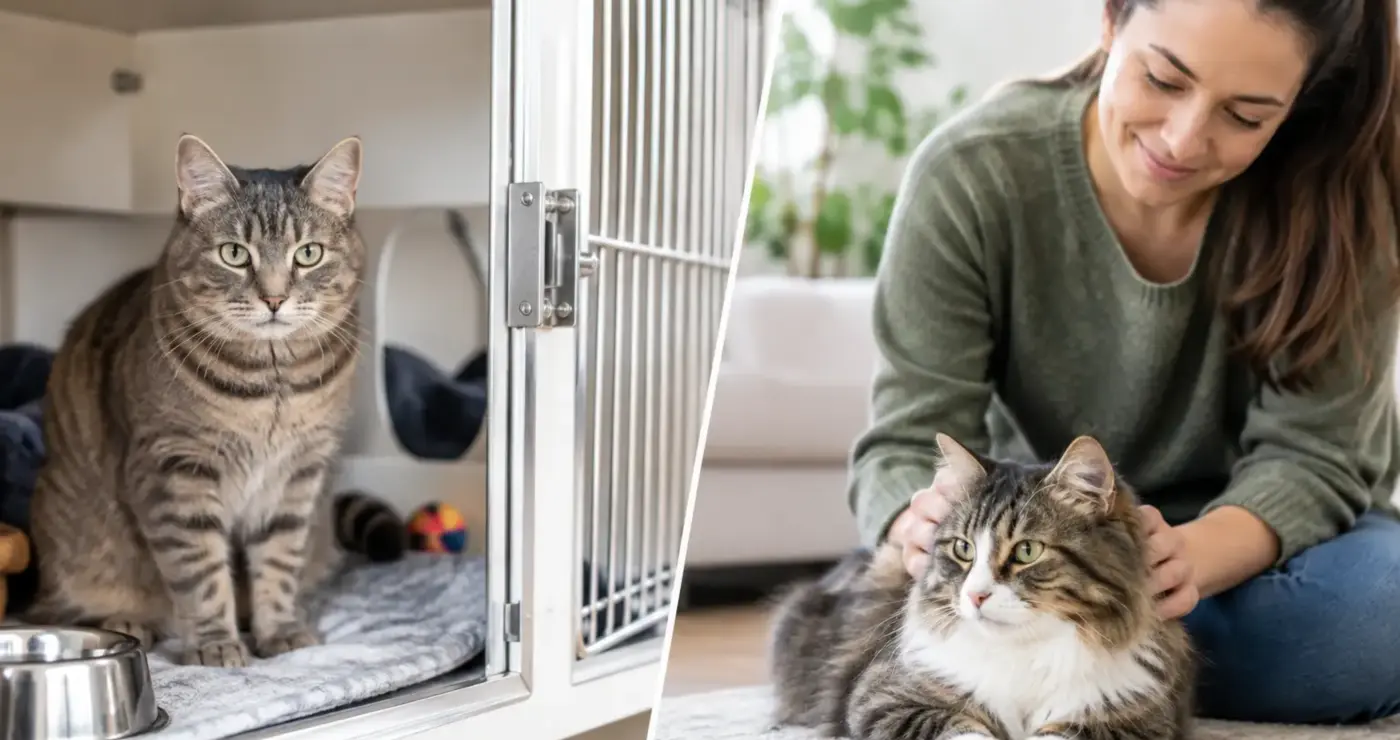
Leaving a cat somewhere unfamiliar can feel harder than packing for your own holiday. The best questions about cattery care do more than confirm there is a space available - they show you whether your cat will have calm surroundings, familiar routines and attentive people looking after them.
A good cattery should welcome sensible questions. In fact, clear answers are one of the strongest signs that a boarding provider takes animal welfare seriously. You are not being fussy by asking about feeding, cleaning, health checks or how staff handle a nervous cat. You are making sure your family pet has the comfort, attention and care they deserve while you are away.
Best questions about cattery care before you book
Can I visit the cattery before my cat stays?
A visit gives you the clearest impression of a cattery. Ask whether you can see the accommodation, subject to sensible hygiene and security procedures. You should be able to assess whether the area feels clean, settled and well maintained, rather than relying only on photographs.
Look for practical comforts: a warm indoor space, secure doors, clean bedding and enough room for a cat to rest, eat and use a litter tray away from their food. Notice the atmosphere too. A quiet, unhurried environment matters greatly to cats, particularly those who dislike change.
It is also worth asking who will be caring for your cat each day. Friendly staff who can explain their routine plainly are reassuring. They should be able to talk about individual cats, not simply describe a general process.
Where will my cat sleep, eat and use the litter tray?
Cats value a tidy, predictable territory. Ask how each suite is arranged and how often it is cleaned. The best answer will explain how sleeping areas, food bowls and litter trays are kept separate and hygienic, while avoiding unnecessary disruption to the cat.
Heating is another useful point to raise, especially for winter stays, older cats and short-haired breeds. A comfortable temperature is not a luxury. It helps a cat settle and rest properly. If your cat has a favourite blanket or a familiar item that carries the scent of home, ask whether you may bring it along. Some cats are comforted by it, although every cattery will have its own rules on what can be accepted safely.
Will my cat have contact with other cats?
Most cats do not want to socialise with unfamiliar cats. They are usually happiest with their own secure space, able to see or hear little of neighbouring animals if that would make them anxious. Ask how cats are housed and whether suites are designed to prevent direct contact.
If you have two cats from the same household, ask whether they can stay together. This can be comforting for a bonded pair, but it depends on their relationship and the cattery’s accommodation. Cats that tolerate one another at home may still prefer separate feeding and resting areas when away.
Questions about your cat’s daily routine
How will you follow my feeding instructions?
A sudden change in food can upset a cat’s stomach, so precise feeding arrangements matter. Tell the cattery what your cat eats, how much they have, when they eat and whether they are prone to fussiness. Ask whether you need to provide their usual food and how staff record what has been eaten.
This is particularly important for cats on prescription diets or those that only accept food prepared in a certain way. A dependable cattery will not dismiss a detailed feeding routine as inconvenient. They will explain what is practical and ask the right follow-up questions before the stay begins.
Can you give medication and monitor health concerns?
Be open about any medication, long-term condition, recent illness or changes in behaviour. Ask whether staff can administer the treatment your cat needs and what information must be provided. Bring medication in its original packaging, with clear instructions from your vet where appropriate.
You should also ask how staff monitor appetite, drinking, litter tray use and general demeanour. Cats can hide discomfort, and small changes may be meaningful. Regular observation is one reason professional boarding can offer greater reassurance than leaving a cat with someone who simply calls in briefly.
What attention and enrichment will my cat receive?
Cats need more than food and a clean bed. Ask how often staff spend time with each cat and what enrichment is available. Some cats enjoy gentle play, a brush or a quiet conversation. Others prefer to watch from a perch and approach in their own time.
The right approach is not to force activity on every animal. It is to offer safe choices and to learn what helps that individual cat relax. Indoor toys, resting places and patient human contact can make a real difference during a longer stay.
At Windmill Farm, cattery care is supported by heated accommodation, indoor enrichment toys and attentive daily supervision, so owners can ask about the details that matter to their own cat rather than accept a one-size-fits-all arrangement.
Questions about safety and veterinary support
What happens if my cat becomes unwell?
This is one of the most important questions to ask, and a clear answer should put your mind at ease. Find out how staff decide when a vet is needed, whether they will contact you first where circumstances allow, and what happens if you cannot be reached immediately.
Ask for confirmation of the veterinary arrangements, including out-of-hours support. You should leave emergency contact details, plus permission for essential treatment if a genuine emergency arises. A professional provider will already have a clear procedure, rather than trying to work one out when a problem occurs.
What health requirements must cats meet before boarding?
Vaccination rules protect every guest, including your own cat. Ask which vaccinations are required, how far in advance they must be completed and what documentation you need to bring. It is wise to check these requirements well before your travel date, as some vaccinations need time to take effect.
Discuss flea and worm treatment too, particularly if your cat spends time outdoors. These questions are not about making a stay difficult to arrange. They show that the cattery is taking reasonable steps to maintain a healthy environment for all cats in its care.
How do you keep cats secure?
A cattery should have careful arrival and collection procedures, secure accommodation and staff who understand that frightened cats may try to bolt. Ask how cats are transferred in and out of their suites, and whether doors are checked before anyone enters or leaves.
Do not be embarrassed to ask about emergency planning either. Responsible boarding providers should have procedures for power failures, severe weather and other unexpected events. You do not need a dramatic answer. You need confidence that staff remain organised when circumstances are less than routine.
Questions for nervous cats and first-time boarders
How do you help a cat settle in?
A first stay can be daunting, especially for a rescue cat, a very young cat or one that has rarely spent time away from home. Explain your cat’s habits honestly: whether they hide at first, dislike being picked up, need a slow approach or respond well to a particular toy.
Ask how staff introduce cats to their suite and how they approach those that are shy. The best care is often quiet and patient. A cat should be allowed time to observe, eat and come forward at their own pace, not pushed into attention before they are ready.
Can I leave clear notes about my cat?
You should be encouraged to provide useful notes, particularly for a cat with strong preferences. Include feeding times, favourite treats if permitted, medication, handling sensitivities and anything that normally helps them settle. Keep the information practical and concise so staff can use it easily during a busy day.
It also helps to ask how updates are handled. Some owners are comforted by a brief message during a longer stay, while others prefer to know their cat is being looked after and switch off properly on holiday. There is no single right preference, but it is better to agree expectations before you leave.
How to judge the answers you receive
You are looking for openness, not a rehearsed promise that every cat will have an identical experience. Good cattery staff will explain their routines clearly, acknowledge where individual needs vary and ask questions about your pet in return. They will not claim that every cat instantly loves boarding, because cats are individuals.
Pay attention to how you feel after speaking with them. Are the answers specific? Do staff seem calm, knowledgeable and interested in your cat? Are the standards around warmth, hygiene, security, feeding and veterinary support easy to understand? Those practical details build genuine confidence.
The right cattery is one where you can leave your cat knowing their routine has been considered, their comfort has not been treated as an extra, and there is a capable team ready to notice the small things. That peace of mind is a very good place to start your holiday.
Posted: 22nd November 2026
Why Choose Windmill Farm?
Here at Windmill Farm we understand how much your pets mean to you and so we want you to be confident that choosing us to house your pets is the best decision. Your stay at Windmill Farm will benefit from...
- Very friendly, family run business
- Established for over 60 years
- Surrounded by 15 acres of land
- Nestled in the Surrey countryside
- Dog pick up and collection service
- 24 hour on-call veterinary services
- Covered outside runs and plenty of toys
- All kennels and catteries are fully heated