Are Heated Kennels Safe Overnight for Dogs?
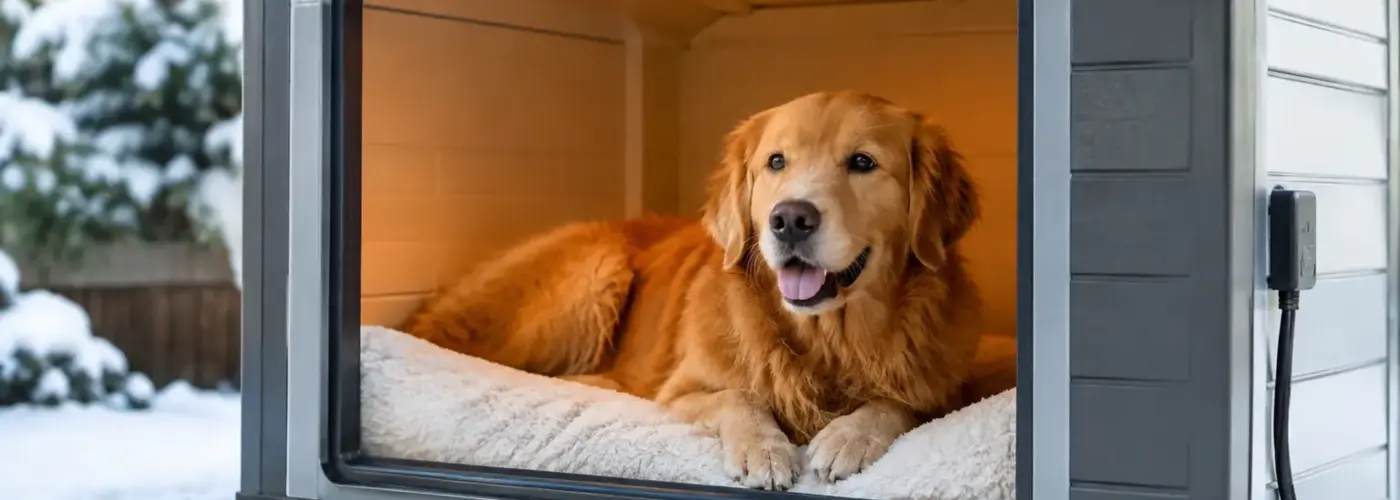
A cold night is not just uncomfortable for a dog - it can make settling in harder, particularly when they are away from home. So, are heated kennels safe overnight? They can be, provided the warmth is controlled, the accommodation is well ventilated, and staff choose the right set-up for each individual dog. Heating should make a kennel comfortably temperate, never stuffy or overly hot.
For owners arranging boarding, a heated room can be a real reassurance during autumn and winter. Yet the safest boarding environments do not rely on a heater alone. They combine sensible temperatures with dry bedding, clean accommodation, careful observation and a routine that helps dogs feel secure.
Are heated kennels safe overnight in boarding?
A properly designed heated kennel is generally safe for overnight use. The key word is properly. The heating should be installed and maintained for kennel use, safely out of a dog's reach, and controlled so that the room does not become too warm. There should also be adequate ventilation, even in colder weather.
A good kennel is not meant to feel like a centrally heated sitting room. Dogs have coats suited to varying temperatures, and many will be perfectly content in a cool, dry sleeping space with warm bedding. The aim of heating is to remove the chill and protect vulnerable dogs from cold, damp conditions, rather than to create constant high heat.
This is particularly relevant for older dogs, puppies, short-coated breeds, small dogs, dogs recovering from illness and those who are used to sleeping indoors. A young Whippet and a thick-coated Husky may both be safe in heated accommodation, but their ideal comfort level is unlikely to be identical. Experienced kennel staff take those differences seriously.
What makes overnight heating safe?
The heat source matters. Purpose-installed radiators or protected heating systems are usually safer than portable appliances, which can be knocked, chewed or covered accidentally by bedding. Any electrical equipment should be checked regularly and positioned so a curious dog cannot reach cables, controls or hot surfaces.
Temperature control matters just as much. A kennel that is too cold can leave a dog shivering and unsettled, but one that is too warm can cause panting, restlessness and dehydration. In a boarding setting, staff should be able to adjust accommodation according to the weather and the dog, rather than using a one-size-fits-all approach.
Ventilation is sometimes overlooked because people understandably associate warmth with closing everything up. Fresh air is still needed overnight. A safe kennel has airflow without draughts blowing directly onto the sleeping area. It should also remain dry. Damp concrete, wet bedding or condensation can quickly undo the benefit of a heated room.
Finally, a dog needs a comfortable place to rest away from the heat source itself. Clean, dry bedding allows them to settle at the temperature that feels right for them. Dogs naturally move about during the night, so they should have sufficient room to lie down comfortably and choose a slightly cooler spot if they wish.
When a heated kennel needs extra care
Heating is not automatically suitable in exactly the same way for every dog. Dogs with heart or breathing conditions can be more sensitive to high temperatures, while brachycephalic breeds such as Pugs, French Bulldogs and Bulldogs may struggle if accommodation becomes overly warm. Dogs on medication, those recovering from surgery, and animals with skin conditions may also need their routines and environment considered carefully.
If your dog has a health condition, tell the boarding kennel before booking and provide clear instructions from your vet where appropriate. This gives the team time to discuss whether any adjustments are needed, such as a quieter suite, altered bedding, medication times or closer checks.
Anxious dogs deserve consideration too. Some dogs pant because they are warm; others pant because they are worried in an unfamiliar environment. Staff who know the difference can respond appropriately. Gentle reassurance, a familiar blanket from home if the kennel permits it, and a predictable evening routine can often help a nervous dog settle more than turning the heating up.
Safe warmth is part of the whole overnight routine
The best indicator of a safe kennel is not simply whether it advertises heating. Ask what happens around that heating. Are dogs exercised and given time to toilet before bedtime? Is water available and refreshed? Are sleeping areas cleaned and bedding checked? Is there a clear procedure if a dog seems unwell, distressed or unusually restless overnight?
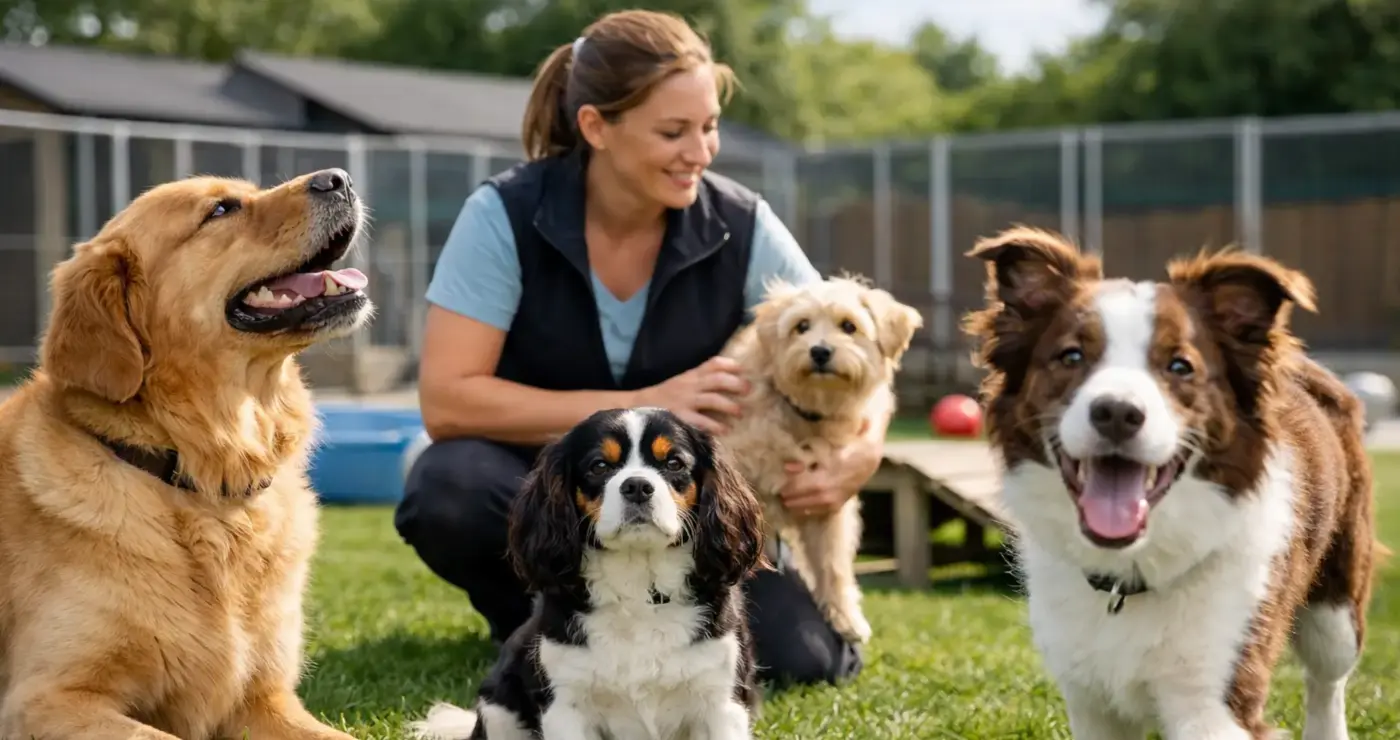
At Windmill Farm, heated accommodation sits within a wider care routine rather than being treated as a stand-alone feature. Dogs have their own covered outdoor runs, twice-daily paddock walks and indoor enrichment, helping them use their energy and settle more naturally at night. Veterinary support is available on a 24-hour standby basis should a concern arise.
That wider routine is especially valuable for first-time boarders. A dog that has had calm handling, exercise, mental stimulation and a chance to follow a consistent daily pattern is more likely to rest well. Heat adds physical comfort, but familiarity and attentive care add peace of mind.
Questions worth asking before you book
It is entirely reasonable to ask a kennel how it keeps dogs comfortable after dark. A reputable boarding provider should welcome the conversation and explain its arrangements plainly.
Ask whether heating is fixed and protected, how temperatures are managed, and whether the accommodation has ventilation as well as warmth. Find out how dogs are checked in the evening and what the process is if a dog needs veterinary attention. If your dog is older, very young, short-coated or has a medical condition, ask how the team would tailor their care.
It is also sensible to arrange a visit where possible. Look for accommodation that feels clean, dry and calm rather than excessively hot or heavily scented. Notice whether dogs have suitable bedding, fresh water and room to rest comfortably. A tidy, well-organised kennel often reflects the care given behind the scenes.
Do not be afraid to share the small details about your dog. Mention whether they sleep under a blanket, become unsettled by noise, are prone to stiffness in cold weather or need encouragement to drink. These details help a boarding team make sensible choices and can make the first overnight stay far easier for your pet.
Warning signs to take seriously
Not all warmth is safe warmth. Be cautious if a provider cannot explain how heating is controlled, if portable heaters are left in areas dogs can access, or if there is no clear answer about ventilation and night-time procedures. Accommodation that feels humid, overly hot or damp is not a comfortable place for a dog to sleep.
At home, the same principles apply to outdoor kennels. Do not leave an ordinary household heater, electric blanket or heat lamp running near a dog without confirming it is specifically designed, protected and safe for that purpose. Fire risk, burns, cable chewing and overheating are genuine concerns. If you are unsure, speak to your vet or a qualified installer before relying on an overnight heating arrangement.
A safe overnight kennel should leave your dog warm, dry, settled and able to rest. When you choose a boarding home that pairs well-managed heating with fresh air, thoughtful routines and individual attention, you can leave for your trip knowing their comfort has been considered long after the evening lights go down.
Posted: 12th November 2026
Why Choose Windmill Farm?
Here at Windmill Farm we understand how much your pets mean to you and so we want you to be confident that choosing us to house your pets is the best decision. Your stay at Windmill Farm will benefit from...
- Very friendly, family run business
- Established for over 60 years
- Surrounded by 15 acres of land
- Nestled in the Surrey countryside
- Dog pick up and collection service
- 24 hour on-call veterinary services
- Covered outside runs and plenty of toys
- All kennels and catteries are fully heated


