
Kennel Routine Guide for a Calm, Happy Stay
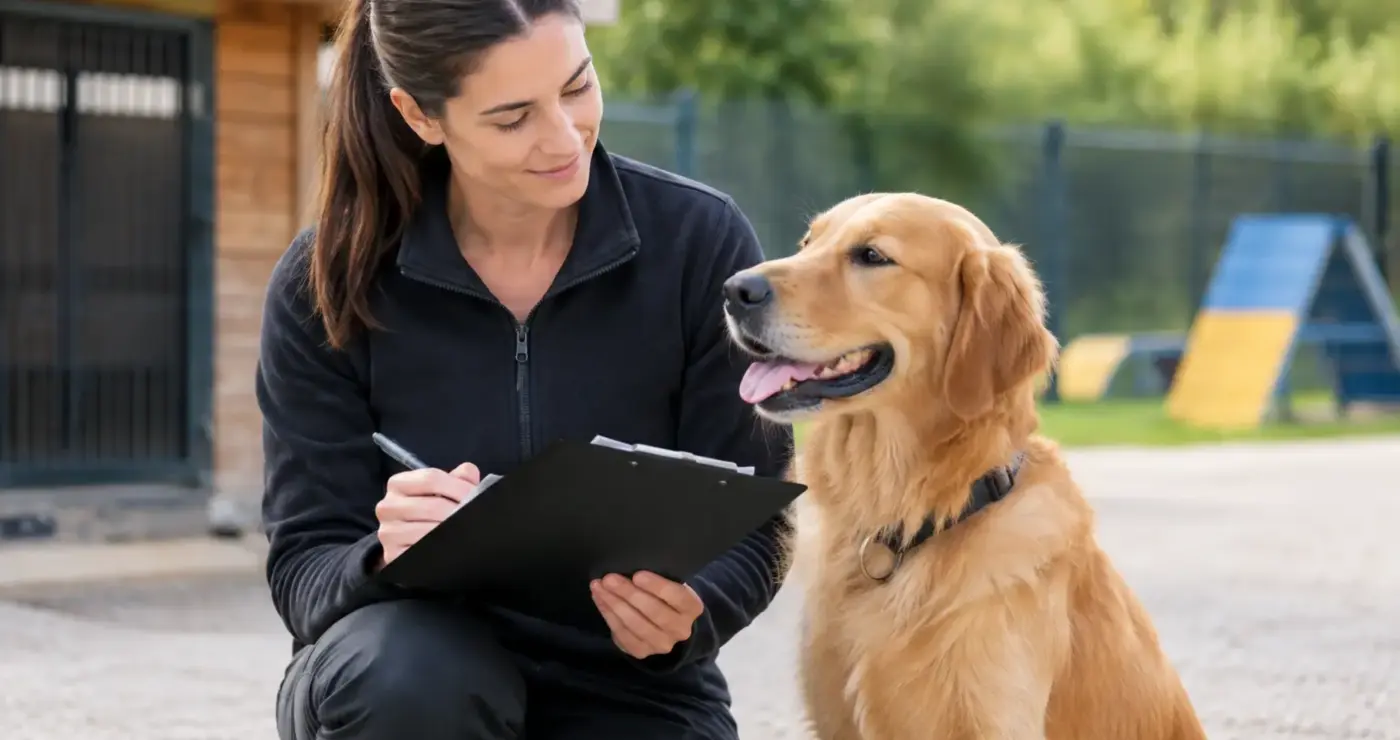
Leaving a dog for a holiday or a few days away is easier when you can picture what their day will look like. This kennel routine guide explains the steady rhythm behind a well-run boarding stay: time to settle, regular meals, proper exercise, quiet rest and attentive care from people who get to know each guest.
Dogs do not need every moment to look exactly like home to feel secure. What helps most is a predictable routine, kind handling and an environment that gives them space to move, rest and take in their new surroundings at a sensible pace.
Why routine matters in kennel boarding
A change of setting can be exciting for some dogs and a little unsettling for others. A clear daily pattern helps them understand what comes next. They soon learn when meals arrive, when it is time for a walk, when staff come by, and when their suite is a calm place to switch off.
This is particularly valuable for young dogs, older dogs and those who have not boarded before. It also helps dogs who are usually lively at home. Plenty of activity is useful, but so is time to rest properly between outings. A good boarding routine is not about keeping dogs busy every minute of the day. It is about balancing exercise, company, comfort and sleep.
At Windmill Farm, that rhythm is supported by heated accommodation, individual covered outdoor runs and twice-daily paddock walks across the farm setting. Each part of the day has a purpose, from helping dogs settle in on arrival to giving them a comfortable place to relax afterwards.
A kennel routine guide from arrival to bedtime
Arrival and settling in
The first few hours set the tone for a stay. Staff will welcome your dog, confirm the important details of their booking and help them into their accommodation without unnecessary fuss. Dogs pick up on our mood, so a calm, matter-of-fact handover is usually kinder than a long, anxious goodbye.
It is normal for a dog to spend a little time sniffing, listening and looking around. They are learning a new place. Their individual suite and covered run give them their own area to settle into, away from the pressure of constant contact with other dogs.
If your dog is naturally nervous, let the boarding team know before arrival. Information about their usual habits, confidence around new people, feeding preferences and anything that helps them relax allows staff to give more considered support from day one. A familiar blanket or safe, clearly labelled comfort item may be helpful if the kennel advises that it is suitable.
Mealtimes and everyday checks
Regular mealtimes provide reassurance as well as nourishment. Many dogs settle more quickly when food is offered at familiar times and their appetite can be observed. Staff can notice whether a dog is eating normally, drinking well and behaving as expected.
Before boarding, make sure feeding instructions are clear. If your dog needs a particular food, measured portions, a slow-feeder bowl or medication with meals, provide straightforward written guidance. Do not assume a change in routine will be obvious to someone meeting your dog for the first time.
A responsible kennel also carries out regular everyday checks. Staff are looking for the small signs that tell them how a dog is feeling: bright eyes, normal toilet habits, interest in food, comfortable movement and their usual manner. No boarding environment can promise that a dog will behave exactly as they do at home, but close observation means changes can be acted on promptly.
Exercise, fresh air and interest
For most dogs, walks are the highlight of the day. They offer far more than a toilet break. A proper walk gives a dog time to move, sniff, explore and release energy in a safe, supervised way.
Twice-daily paddock walks create a dependable anchor in the day. The countryside setting matters here: open space, fresh air and a change of scene can help a dog return to their suite ready to rest. Dogs are individuals, however. A fit, young dog and a senior dog will not need the same pace or duration, so it is worth discussing any mobility needs, exercise limits or vet advice before their stay.
The individual outdoor run is useful between walks too. It gives dogs access to their own covered outdoor area without the overstimulation that can come from group turnout. Some dogs love the bustle of a busy dog park; others are far happier with personal space. Kennel boarding should not force every dog into the same social experience.
Rest, warmth and enrichment
A tired dog is not always a settled dog. Rest is a major part of a good routine, especially after the excitement of arrival and exercise. Heated accommodation provides comfort through cooler weather, while a private sleeping space gives each dog a chance to relax without being bothered.
Indoor enrichment toys add gentle interest during quieter periods. These may encourage play, investigation or simply give a dog something familiar to focus on while staff carry on with the day. Enrichment is useful, but it should suit the dog. Some will enthusiastically engage with toys, while others prefer a quiet stroke, a few calm words or an uninterrupted nap.
This balance is one reason owners should be wary of judging a stay only by how many activities are advertised. Constant stimulation can be tiring. Thoughtful boarding gives dogs both enjoyable things to do and enough peace to recover.
Evening care and overnight reassurance
As the day winds down, dogs benefit from a final opportunity to settle, followed by a quieter atmosphere in the kennel. Consistency at this point can be particularly reassuring for first-time boarders. They learn that the day has a familiar ending and that staff will return in the morning.
Before booking, ask how overnight welfare is managed and what happens if a dog becomes unwell. At Windmill Farm, 24-hour veterinary standby support provides an important safeguard should professional advice or treatment be needed. It is a practical detail that can make a real difference to an owner’s peace of mind.
How to prepare your dog for the routine
The easiest boarding stays often begin before the car journey. Keep the days before boarding calm and normal rather than making a dramatic event of it. If your dog is not used to being apart from you, short periods with trusted carers can help build confidence gradually.
Bring the information the kennel needs, including feeding instructions, medical details, emergency contacts and any relevant behavioural notes. Be honest about worries such as thunder sensitivity, nervousness around strangers, resource guarding or a dislike of being handled around the paws. This is not about labelling your dog as difficult. It is about allowing the team to care for them safely and thoughtfully.
It also helps to keep drop-off straightforward. Dogs are very good at reading hesitation. A cheerful, brief goodbye tells them this is a normal arrangement, not something to fear. The staff can then take over and begin helping them settle.
Questions worth asking before you book
A boarding kennel should be happy to explain its routine in plain language. Ask where your dog will sleep, how often they will be exercised, whether runs are individual, how food and medication are handled, and what procedure is followed if they need veterinary attention.
You may also want to ask how the team approaches nervous dogs and whether a visit can be arranged before a longer stay. Seeing the setting for yourself can be reassuring, particularly if this is your first time using boarding care. Look for clean, comfortable accommodation, secure exercise areas and staff who speak about the dogs as individuals rather than simply as bookings.
The right kennel routine will not copy home exactly, nor should it need to. What it should offer is a reliable, caring structure where your dog has warmth, exercise, interest and people paying attention to how they are getting on. When you choose a place with that kind of rhythm, you can set off knowing your dog has a holiday routine of their own.
Posted: 23rd October 2026
Why Choose Windmill Farm?
Here at Windmill Farm we understand how much your pets mean to you and so we want you to be confident that choosing us to house your pets is the best decision. Your stay at Windmill Farm will benefit from...
- Very friendly, family run business
- Established for over 60 years
- Surrounded by 15 acres of land
- Nestled in the Surrey countryside
- Dog pick up and collection service
- 24 hour on-call veterinary services
- Covered outside runs and plenty of toys
- All kennels and catteries are fully heated