
How to Settle Cats in Boarding Before a Holiday
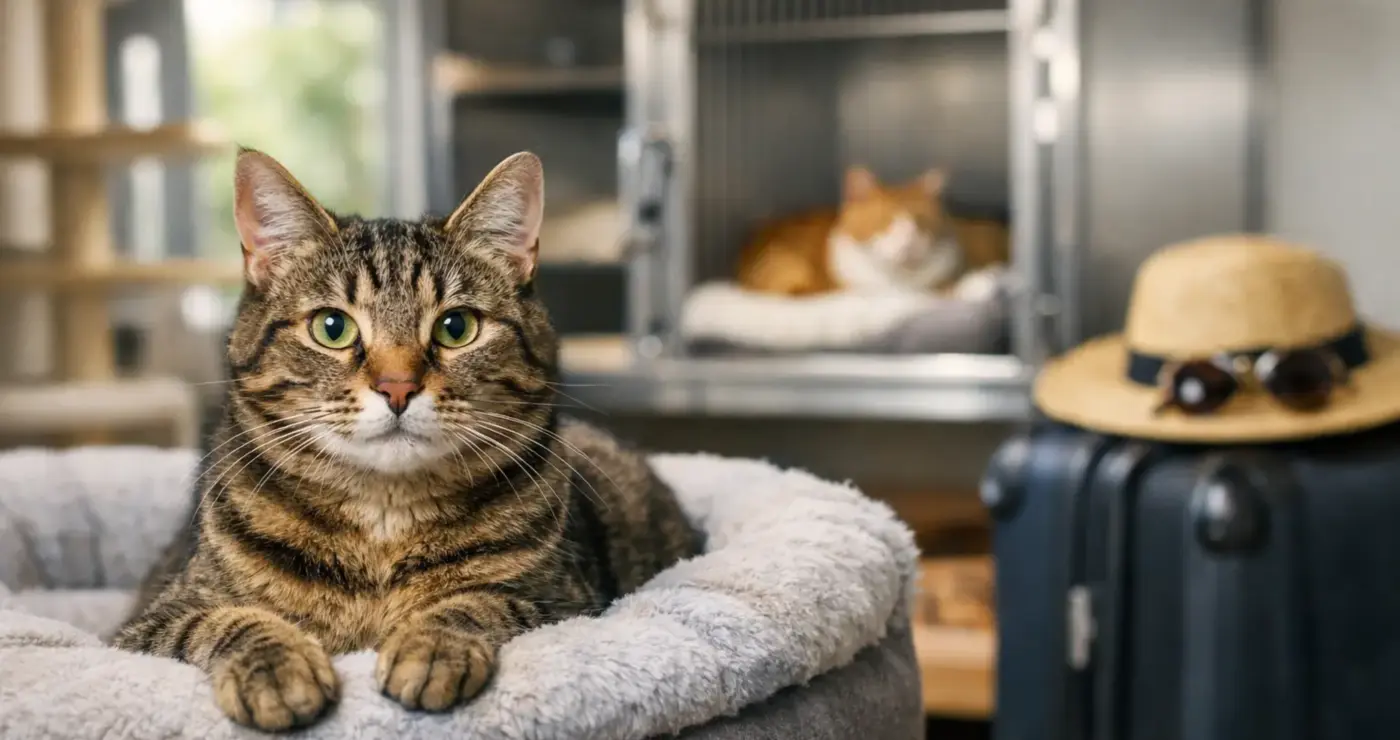
Cats rarely show their feelings in the same way as dogs. One may inspect every corner of a new suite within minutes; another may prefer to stay tucked in their bed until the sounds and scents feel familiar. To settle cats in boarding well, the aim is not to make them instantly sociable. It is to give them time, consistency and calm care, so they can adjust at their own pace while you are away.
For owners, the hardest part is often the handover. A cat who has been part of your household for years can feel very difficult to leave, particularly before a longer holiday. Good preparation makes a real difference, but so does choosing boarding care where staff understand that quiet observation, routine and individual attention matter.
Why a Calm Start Matters in Cat Boarding
Cats are territorial animals. Home is not simply the place where they sleep and eat - it is a map of familiar rooms, daily sounds, favourite resting places and trusted people. A boarding stay changes that map, even when the accommodation is comfortable and carefully prepared.
That does not mean cats cannot enjoy or cope very well with a stay in a cattery. Many settle happily once they understand that food arrives reliably, their sleeping area is safe and the people caring for them are gentle and predictable. The first day or two is simply a period of adjustment, and a good cattery gives each cat the space to manage it without pressure.
Some cats become quiet when they arrive. Others may call out, hide, eat less than usual or watch staff closely before accepting contact. These can be normal responses to a new environment. What matters is that experienced carers monitor each cat's behaviour, appetite and general wellbeing, rather than assuming every guest will settle in the same way.
Prepare Your Cat Before Their Boarding Stay
The best way to settle cats in boarding starts several days before you leave. Keep home life steady where possible. This is not the ideal time to change food, alter feeding times or introduce a new litter, unless there is a veterinary reason to do so. Familiar routines give your cat a secure baseline before a new experience.
Make sure vaccinations, flea and worming treatments and any paperwork requested by the cattery are up to date well before the admission date. Last-minute veterinary appointments can add unnecessary stress for both you and your cat. If your cat takes medication, discuss it openly when making the booking. Clear instructions, the medicine in its original packaging and the correct dosage information allow staff to continue care safely.
It is also helpful to be honest about your cat's character. Tell the team if they are nervous with strangers, dislike being picked up, have particular food preferences or usually hide when visitors arrive. Mention any previous health concerns or signs that would be unusual for them. These details are not a judgement on your pet - they help carers offer the right kind of attention from the start.
A familiar-smelling item can be reassuring for many cats. Depending on the cattery's safety and hygiene policy, this could be a clean blanket or small piece of bedding from home. Avoid sending anything precious that would upset you if it were lost or damaged, and do not wash the item immediately before the stay. Its familiar scent is the point.
Choose the Right Environment, Not Just a Convenient Space
A cat's boarding accommodation should feel secure, clean and comfortably warm, with room to rest, eat and use a litter area separately. It should also give staff a clear view of how the cat is doing without constantly disturbing them. Ask how cats are monitored, what enrichment is available and what happens if a cat appears unwell or refuses food.
The answers should be practical rather than vague. A well-run cattery will have a routine for cleaning, feeding and welfare checks, while recognising that cats need peaceful periods too. Heated accommodation is particularly welcome in colder months, and indoor enrichment can provide gentle interest without overwhelming a nervous guest.
It is worth asking about veterinary arrangements as well. Knowing there is 24-hour veterinary standby support gives owners confidence that there is a clear plan should a concern arise outside normal hours. This is not about expecting something to go wrong. It is about leaving your cat with people who are prepared to act responsibly if it does.
For owners around Coulsdon, Purley, Croydon and Caterham, visiting a prospective cattery before booking can be especially reassuring. You can see whether it is calm, clean and well organised, and whether the team takes time to answer questions about your individual cat. At Windmill Farm, that personal approach sits alongside the reassurance of a long-established, family-run boarding setting.
Make the Arrival Short and Reassuring
On the day, aim for a quiet, unhurried journey. Use a secure carrier lined with familiar bedding if permitted, and cover part of it lightly if your cat is unsettled by passing movement. Keep the carrier level in the car and avoid opening it until you are safely inside the cattery.
Your own mood can influence the handover. It is perfectly normal to feel emotional, but a long goodbye can make the moment harder for both of you. Speak gently, give staff the information they need, then allow them to begin settling your cat into their new space. Cats often respond better when they are given time to investigate without several people trying to encourage them at once.
A good carer will not expect an immediate response. They may place food nearby, keep voices low and let the cat choose whether to come forward. For a more confident cat, a little play or gentle interaction may help. For a shy one, the kindest approach may be to step back, keep routine care consistent and build trust slowly.
What Helps Cats Settle Once You Have Left
Consistency is one of the strongest comforts a cattery can provide. Meals offered at familiar times, fresh water, clean litter and regular quiet checks create a dependable pattern. Cats learn quickly that their needs are being met, even in an unfamiliar place.
Enrichment also has a role, but it should suit the individual. A curious cat may enjoy toys, a scratch surface or time watching the activity outside their accommodation. A quieter cat may take more comfort from a warm bed and a peaceful place to observe without being approached. The goal is gentle stimulation, not constant entertainment.
Staff should pay particular attention to eating, drinking, toileting and demeanour. A cat may eat less during the first day, but ongoing changes deserve prompt attention. Owners can help by giving accurate feeding guidance and telling the cattery what their cat normally eats. Sudden food changes are rarely helpful for a cat who is already adapting to a new setting.
If you receive an update that your cat is taking a little time to settle, try not to panic. Ask what they are doing, whether they are eating and drinking, and how staff are supporting them. A cat resting quietly, using the litter tray and gradually showing interest is often settling perfectly normally, even if they are not yet their outgoing self.
Give Future Stays the Best Chance
For cats who may need boarding regularly, a short trial stay can be useful before a long holiday. It allows the team to learn your cat's habits and gives you a clearer idea of how they respond. For some cats, familiarity with the same cattery, carers and routine makes each later visit easier.
There are exceptions. Very elderly cats, cats with complex health needs or those who become extremely distressed away from home may be better suited to another care arrangement. Discuss this honestly with your vet and the boarding provider. The right decision is the one that protects your cat's welfare, not simply the most convenient option.
When you collect your cat, expect them to take a little time to readjust at home. They may be extra affectionate, quieter than usual or ready for a long sleep. Keep the house calm, offer their usual meals and let them come to you. With thoughtful preparation and patient care, boarding can become a familiar, safe part of family life whenever you need time away.
Posted: 26th November 2026
Why Choose Windmill Farm?
Here at Windmill Farm we understand how much your pets mean to you and so we want you to be confident that choosing us to house your pets is the best decision. Your stay at Windmill Farm will benefit from...
- Very friendly, family run business
- Established for over 60 years
- Surrounded by 15 acres of land
- Nestled in the Surrey countryside
- Dog pick up and collection service
- 24 hour on-call veterinary services
- Covered outside runs and plenty of toys
- All kennels and catteries are fully heated