How to Prepare Your Cat for a Cattery Stay
The carrier comes out, the suitcase appears, and many cats immediately know something is different. If “how to prepare cat for cattery” is on your mind before a holiday or time away, a little preparation can make a real difference. The aim is not to make your cat love every part of the change overnight. It is to keep their routine, health and sense of security as steady as possible before they arrive.
Cats are individuals. A confident young cat may settle quickly into a new suite, while an older, shy or very home-loving cat may need more time and a quieter approach. Good preparation gives the cattery team the information and familiar comforts they need to care for your cat properly from day one.
Start with the right cattery
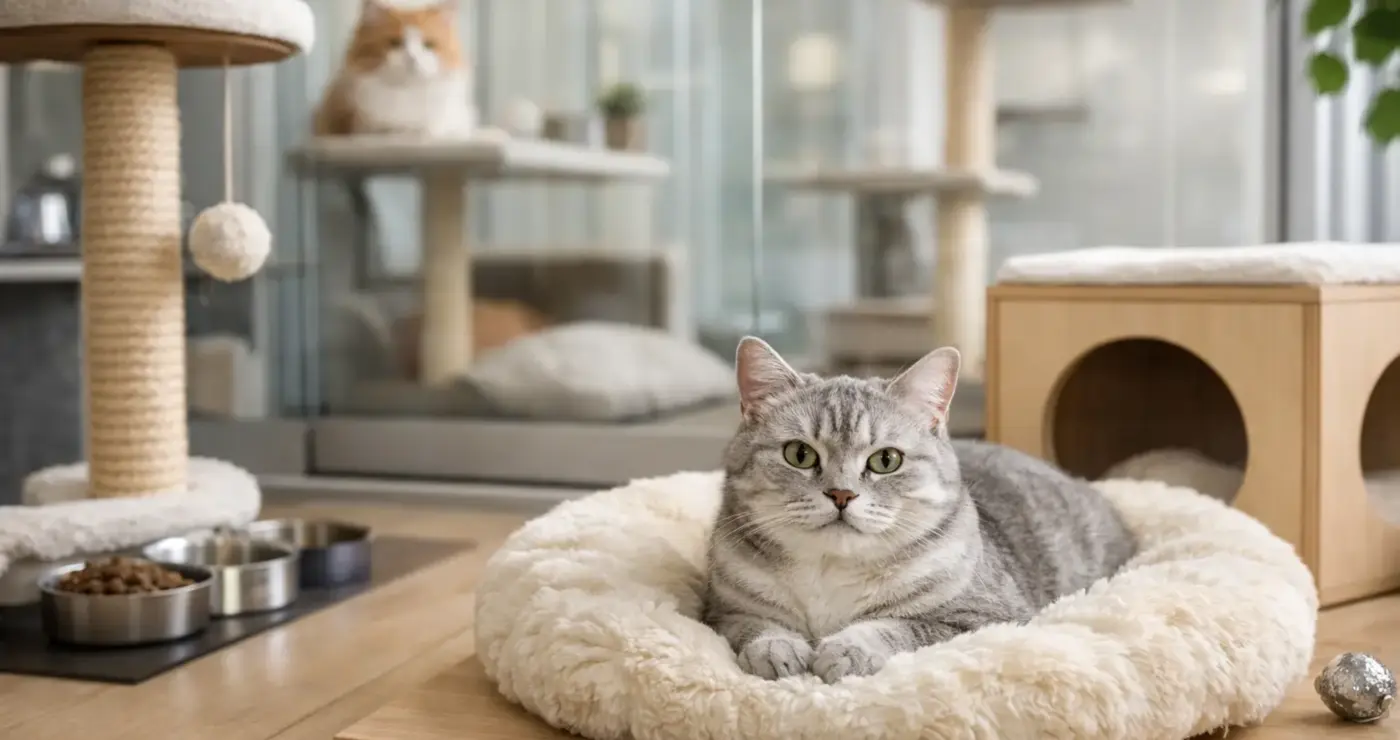
The most reassuring preparation begins before you book. Look for a clean, calm cattery with warm accommodation, clear safety procedures and staff who are happy to discuss your cat’s individual needs. Ask how cats are housed, how often they are checked, what enrichment is available and what happens if a cat becomes unwell.
A visit can be particularly helpful for first-time boarders. You will see the setting for yourself, ask practical questions and get a feel for the people who will be caring for your cat. For cats from busy London homes, a peaceful countryside setting can be a welcome change, provided their suite is secure, comfortable and managed with care.
It is also worth discussing any particular habits in advance. Does your cat hide when visitors call? Do they prefer a certain food texture? Are they sociable, or happier with quiet interaction on their own terms? There is no need to apologise for these details. They help the team make your cat’s stay more settled.
How to prepare your cat for a cattery stay
Keep everyday life normal
In the week or two before boarding, avoid changing food, litter, feeding times or household routines unless there is a genuine reason to do so. Cats often find change harder than dogs do, and a new diet alongside a new environment can lead to an upset stomach or refusal to eat.
Keep feeding, play and quiet time as predictable as you can. If your cat enjoys a short evening play session or a particular brushing routine, continue it. Familiar daily patterns help them arrive feeling physically well and emotionally secure.
Try not to turn the days before departure into a flurry of packing and last-minute errands. Of course, life gets busy before a trip, but allowing your cat some calm time with you can help. They may not understand where you are going, but they will notice your mood and the activity around the home.
Make the carrier a familiar place
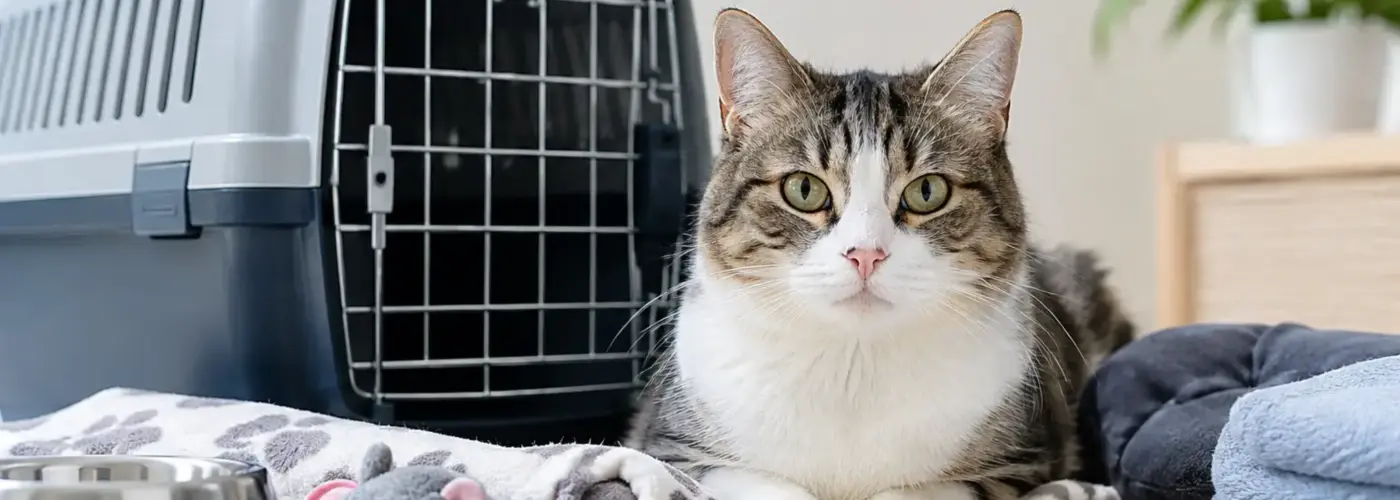
A carrier should not only appear when your cat is going to the vet or leaving home. Bring it out several days in advance, leave the door open and place a familiar blanket inside. A treat, toy or small amount of their usual food can encourage curious cats to investigate without pressure.
For cats who dislike the carrier, begin even earlier where possible. Sitting quietly near it and rewarding any voluntary approach is better than repeatedly trying to place them inside. On the day, use a calm, matter-of-fact manner. Chasing a frightened cat around the house may make the journey more stressful for everyone.
A secure carrier is essential. It should be large enough for your cat to turn around comfortably, well ventilated and lined with an absorbent pad or familiar bedding. Covering part of it lightly during travel can reduce visual stimulation for some cats, but ensure there is always good airflow.
Pack familiar comforts, but keep it sensible
A familiar smell can be deeply reassuring. Ask the cattery what you may bring, then choose one or two safe, washable items, such as a small blanket or an unwashed T-shirt that smells of home. Avoid sending irreplaceable bedding or treasured toys, just in case they are damaged or become soiled.
Most reputable catteries provide suitable bedding, food bowls and litter arrangements, so more is not always better. Too many unfamiliar objects can clutter a suite and make cleaning harder. What matters most is a calm environment, a comfortable sleeping area and staff who take time to understand your cat.
If your cat eats a veterinary diet, is fussy about food or has a sensitive stomach, confirm the feeding plan when booking. Provide clear written instructions, including portions and feeding times, rather than relying on memory at handover.
Check vaccinations, parasite treatment and medication early
Do not leave health paperwork until the night before you travel. Catteries commonly require an up-to-date vaccination record, and requirements may vary, so check the policy as soon as you are considering dates. If a booster is needed, your vet may advise allowing time before boarding for it to take effect.
Tell the cattery about any recent illness, ongoing condition, allergy or change in behaviour. This includes seemingly small details, such as occasional sneezing, a sensitive tummy or a tendency to overgroom. Honest information allows staff to monitor your cat appropriately and decide whether boarding is suitable at that time.
If your cat needs medication, provide it in its original packaging with the dispensing label intact. Bring enough for the full stay plus a little extra in case travel plans change, and give clear written instructions. It is sensible to ask whether the cattery can administer the medication and whether there is an additional charge.
Flea and worm treatment should also be up to date where required. This protects not only your own cat but every cat staying at the cattery.
Make handover calm and clear
On departure day, feed your cat as normal unless your vet has advised otherwise. Give yourself more time than you think you need, particularly if your cat is likely to hide when the carrier appears. A rushed start can set a tense tone for the whole journey.
At check-in, share the essentials: your contact details, an emergency contact, your vet’s information, feeding instructions, medication and any behaviour that will help staff care for your cat well. Mention what comforts them, what they dislike and how they usually show they are relaxed. Some cats purr and approach people; others settle best when they are left quietly to observe.
Then keep your goodbye gentle and brief. A long, anxious farewell is usually more for us than for the cat. The staff will have a settling-in routine, and giving them space to follow it is often the kindest approach.
Help a nervous cat without overdoing it
It is natural to worry if your cat is timid. Yet nervous does not automatically mean a cattery is the wrong choice. It means the choice of cattery and the detail you provide matter even more. A cat who hides for the first day may still be eating, using the litter tray and gradually becoming comfortable with familiar staff.
Avoid sedating your cat for travel unless it has been specifically prescribed by your vet for that journey. Sedation can carry risks and may make it harder for staff to assess how your cat is coping on arrival. Your vet can advise on suitable options if travel anxiety is significant.
You may also want to consider a trial stay before a longer holiday, especially for a very nervous cat or a first-time boarder. A short stay can give you useful information about how they settle and helps the cattery get to know them. It is not necessary for every cat, but it can offer reassurance when a two-week trip is planned.
Set realistic expectations for homecoming
When you collect your cat, they may be affectionate straight away, sleepy, chatty or slightly aloof. All can be normal. Give them access to water, their usual litter tray and a quiet part of the home, then allow them to come back into family life at their own pace.
Do not be concerned if they want extra sleep or follow you from room to room for a day or two. Keep their food and routine steady, and contact your vet if you notice signs of illness, prolonged refusal to eat or behaviour that concerns you.
At Windmill Farm, the best stays begin with this simple partnership: owners tell us what makes their cat feel safe, and experienced carers provide the comfort, attention and calm routine they deserve. A prepared cat is not necessarily a cat who enjoys every change, but they are far more likely to settle when their familiar needs are understood from the start.
Why Choose Windmill Farm?
Here at Windmill Farm we understand how much your pets mean to you and so we want you to be confident that choosing us to house your pets is the best decision. Your stay at Windmill Farm will benefit from...
- Very friendly, family run business
- Established for over 60 years
- Surrounded by 15 acres of land
- Nestled in the Surrey countryside
- Dog pick up and collection service
- 24 hour on-call veterinary services
- Covered outside runs and plenty of toys
- All kennels and catteries are fully heated