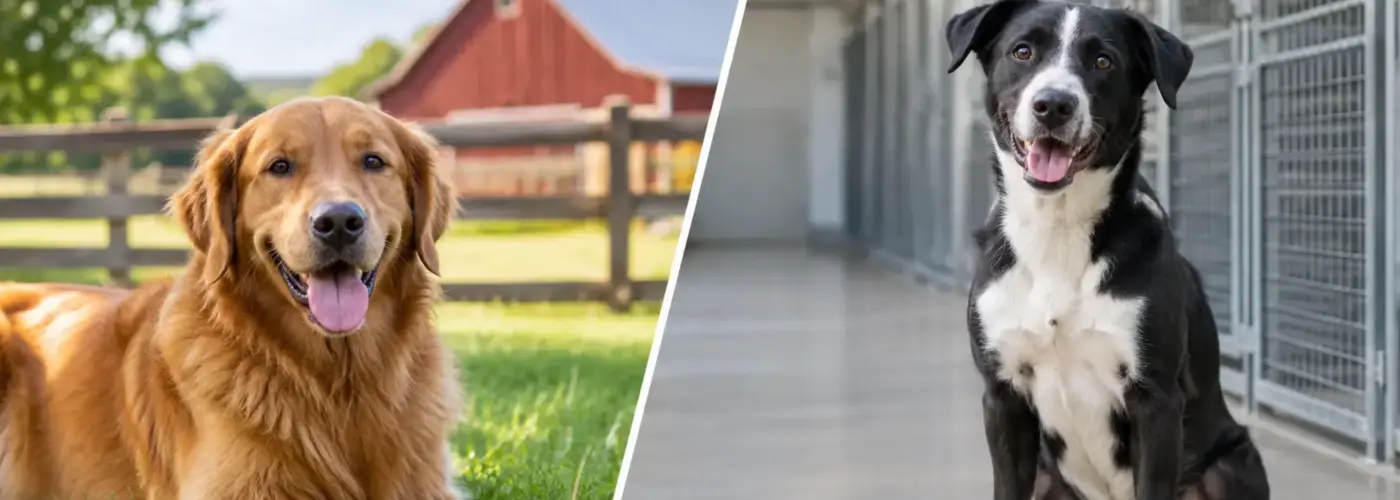
Farm Boarding Versus Urban Kennels: Which Fits?
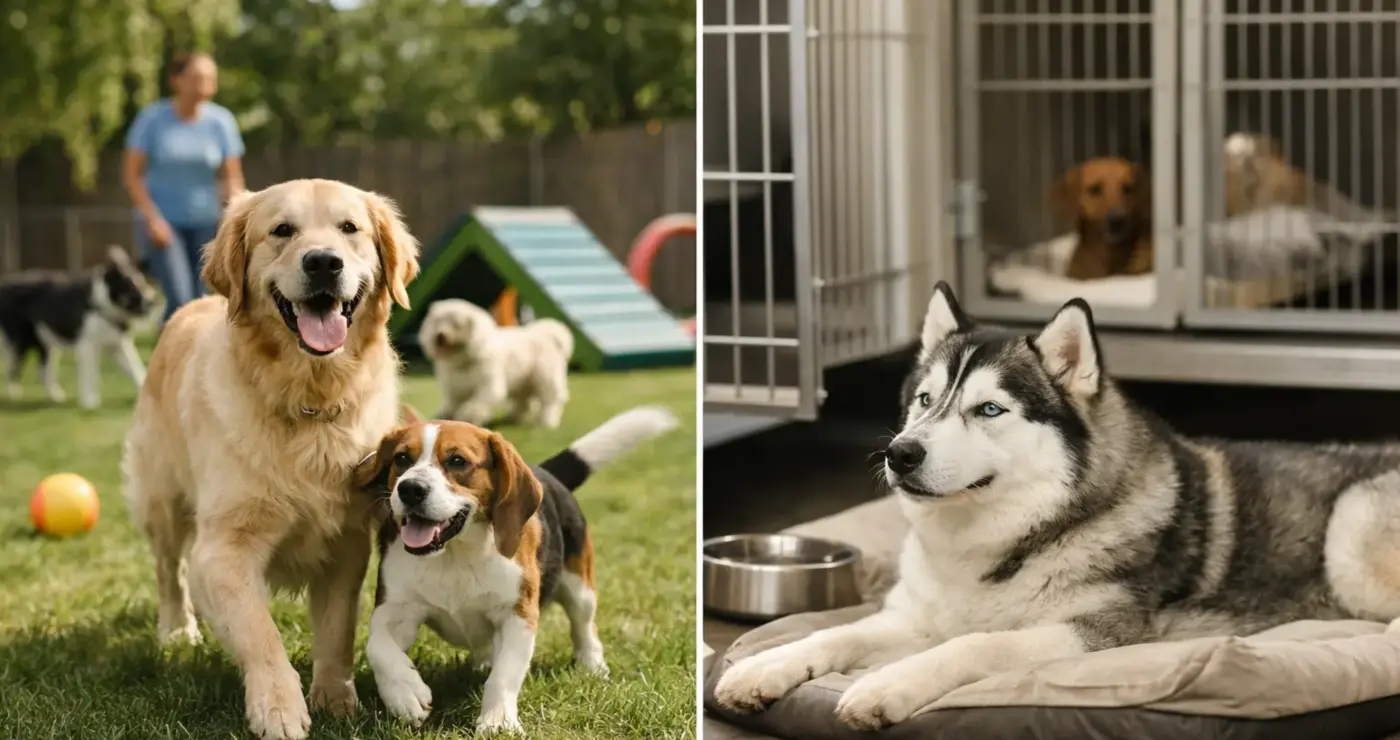
A boarding stay can feel like a bigger decision than booking your own holiday, particularly when your dog has never stayed away from home or your cat is happiest with familiar routines. When weighing up farm boarding versus urban kennels, the real question is not simply rural or town-based. It is whether the setting, routine and people behind it can give your pet calm, consistent and attentive care while you are away.
A countryside setting may offer more visible space and a quieter atmosphere. An urban kennel may be closer to home and easier to reach. Both can provide excellent care when they are well run. The details behind the label are what matter most.
Farm Boarding Versus Urban Kennels: The Practical Difference
Farm boarding is usually defined by its setting: more land, fewer surrounding roads and a sense of distance from the bustle of daily life. For many dogs, especially those who enjoy being outdoors, this can make a real difference to how settled and fulfilled they feel during their stay. Purposeful walks, fresh air and room to move are not extras for an active dog. They are part of maintaining a familiar, healthy rhythm.
Urban kennels can be a sensible choice for owners who need a convenient location or a shorter journey. A well-designed town facility may have secure exercise yards, experienced staff and carefully managed routines. Being in a built-up area does not mean a pet will receive less care.
The trade-off is often one of environment. Urban facilities may have less outdoor space available and more nearby noise from traffic, deliveries or neighbouring businesses. Farm boarding can provide a more open setting, but it still needs the same professional essentials: secure accommodation, reliable supervision, hygiene, warmth, clear routines and experienced carers. A field alone is not a care plan.
Space Is Valuable, but Structure Matters More
Owners often picture a farm stay as endless freedom, but responsible boarding should never mean dogs are left to entertain themselves. Dogs need secure boundaries, supervised exercise and a predictable daily pattern. The best rural boarding combines space with structure.
At Windmill Farm, for example, dogs have individual covered outdoor runs alongside heated accommodation, with twice-daily paddock walks and indoor enrichment. This approach gives dogs opportunities to stretch their legs and explore, while ensuring they also have a warm, private place to rest. It is particularly helpful in the colder, wetter months, when comfort indoors is every bit as important as time outside.
When comparing facilities, ask what “exercise” means in practice. Is it a short turn in a concrete run, a lead walk, supervised time in a secure paddock, or something else? How often does it happen? Is it adjusted for a young, energetic dog, an older dog or one recovering from a minor injury? Clear answers are reassuring because they show that exercise is part of the day, not an occasional add-on.
Consider Your Pet’s Temperament, Not Just Their Breed
A lively spaniel may thrive on regular paddock walks and the sights and scents of a rural setting. A calm older Labrador may value a quieter suite, a gentle stroll and plenty of rest. Some small dogs enjoy outdoor time but can become unsettled in busy group environments, while others take confidence from watching activity around them.
The same principle applies to cats. Most cats do not need countryside walks, of course, but a peaceful, warm cattery with individual attention can make a stay far more comfortable. They benefit from a clean, secure space, opportunities for gentle play and staff who notice whether they are eating, resting and behaving as usual. A rural location can feel pleasantly calm, but the quality of the cattery accommodation and daily care should lead the decision.
Nervous pets deserve particular thought. Some settle best where there is less passing noise and more personal reassurance. Others are comforted by a short journey and a familiar-feeling routine. Be honest about what unsettles your pet at home: strangers, loud sounds, other animals, car travel or being left alone. A good boarding team will welcome those details rather than brushing them aside.
What Good Care Looks Like in Any Location
Whether a kennel is on a farm or near a high street, standards should be easy to explain. You should be able to understand where your pet will sleep, how they will exercise, who checks on them and what happens if they become unwell.
Look beyond attractive photographs and ask practical questions. Heated sleeping areas are particularly valuable for comfort during cooler weather. Separate, secure accommodation helps protect each pet’s space and routine. Enrichment toys and human interaction help prevent a stay becoming dull or isolating, especially for dogs who are used to family life.
Veterinary arrangements are another important point. No owner wants to imagine their pet needing medical attention, but a clear plan is a sign of a responsible business. Find out whether there is 24-hour veterinary standby support, how staff contact you if there is a concern, and whether they can follow medication instructions. This is not about expecting problems. It is about knowing there is a sensible process if one arises.
Cleanliness, vaccination requirements and safe handovers matter too. They may sound less romantic than a view across the paddocks, but they protect every animal staying at the facility. Professional boarding should feel welcoming without ever becoming casual about welfare.
The Journey and Location Question
A nearby urban kennel can be appealing because drop-off and collection are straightforward, especially around work commitments. For owners in Coulsdon, Croydon, Purley or Caterham, a countryside boarding stay may still be close enough to feel practical rather than like a major expedition. Some facilities also offer collection and delivery, which can be a real help before an early flight or after a long journey home.
Do not let convenience be the only deciding factor, though. A slightly longer car journey may be worthwhile if the care routine is better suited to your pet. Equally, there is little value in choosing a rural setting if your dog finds longer drives very stressful. If possible, visit beforehand or arrange a short introductory stay. Seeing how your pet responds to the staff and surroundings can answer questions that a brochure cannot.
A Better Way to Choose a Boarding Stay
Rather than asking which type of boarding is universally best, compare each option against your own pet’s needs. Think about their usual day: when they eat, how much exercise they enjoy, where they sleep, whether they are sociable, and what helps them settle after a change. Then look for a boarding provider that can respect those needs within a safe, well-managed routine.
For a dog who relishes proper walks and has energy to spare, farm boarding may offer the balance of outdoor stimulation and restful accommodation that makes a stay feel more like a change of scene than temporary containment. For a pet that needs the shortest possible journey or is easily overwhelmed by unfamiliar settings, a carefully run urban kennel may be the better fit.
The strongest sign you have found the right place is not a rural postcode or a city address. It is a team that asks thoughtful questions about your pet, explains exactly how they will be cared for and gives you confidence that their days will be safe, comfortable and full of kind attention while you are apart.
Posted: 02nd November 2026
Why Choose Windmill Farm?
Here at Windmill Farm we understand how much your pets mean to you and so we want you to be confident that choosing us to house your pets is the best decision. Your stay at Windmill Farm will benefit from...
- Very friendly, family run business
- Established for over 60 years
- Surrounded by 15 acres of land
- Nestled in the Surrey countryside
- Dog pick up and collection service
- 24 hour on-call veterinary services
- Covered outside runs and plenty of toys
- All kennels and catteries are fully heated


